![]() |
Paul Park, Ph.D. |
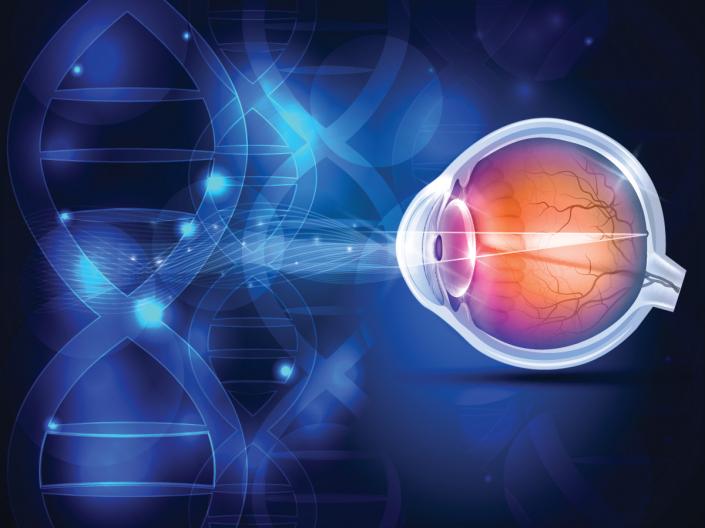
Research Summary Rhodopsin, the light receptor in the visual system, is one of the main GPCRs that we study in the laboratory. The light receptor is found in the rod outer segments of the retina and initiates phototransdution, a set of biochemical events that occurs in the initial stages of vision. Mutations in rhodopsin are directly associated with vision-related disorders such as retinitis pigmentosa and congenital night blindness. Rhodopsin is a prototypical GPCR and offers several advantages over other systems, which allows for the application of novel biophysical approaches thereby advancing our current understanding of GPCR-mediated signaling events. The major goal of our laboratory is to understand the mechanism of signal transmission at the molecular level in phototransduction and other G protein-coupled receptor-mediated signaling systems. The specific aims of our research that will help us achieve our goal include: 1) to test the validity of assumptions in classical schemes of signaling and to explore more recent paradigms of signal transmission, 2) develop and characterize methodologies to detect and monitor molecular interactions formed by receptors, 3) develop and characterize tools that will allow for live cell and/or in vivo monitoring of signaling events, 4) to understand at a molecular level the mechanism by which mutations in rhodopsin lead to vision-related disorders. We use modern biophysical approaches to tackle these issues including atomic force microscopy (AFM), single-molecule force spectroscopy (SMFS), and fluorescence-based methods. Biosketch |
|