

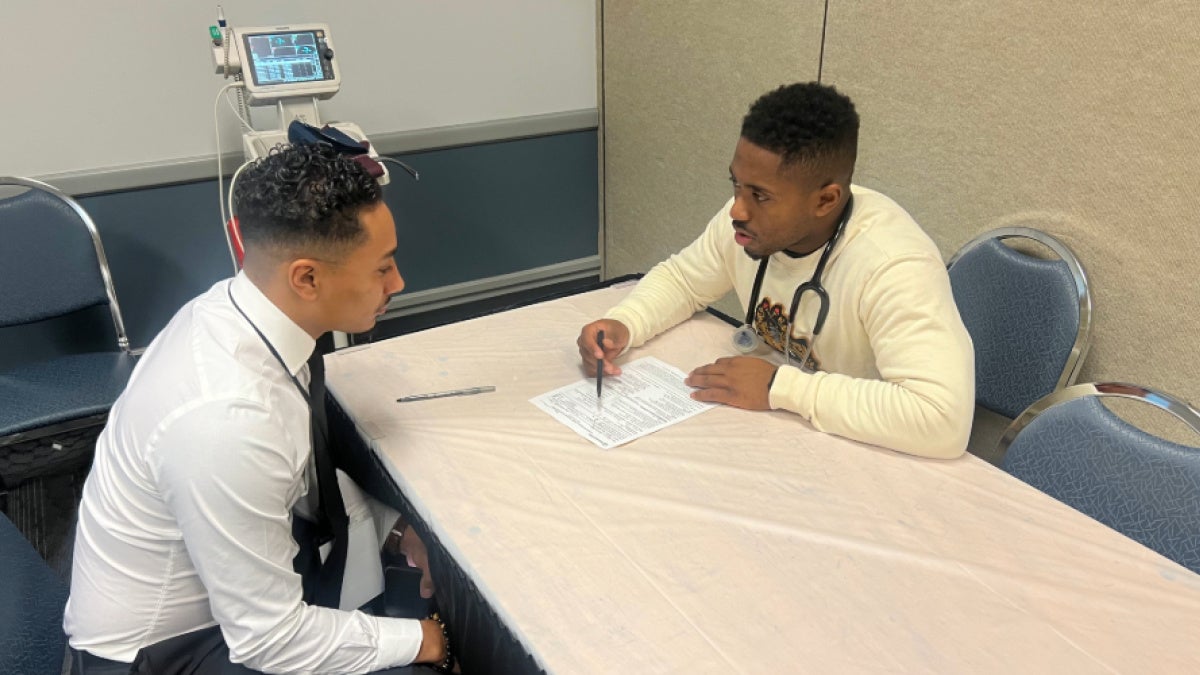
No shave, more conversation: A medical student’s perspective on men’s health
Each November, people put down their razors and grow out their facial hair for Movember and No Shave November—but mustaches are only part of the story. These annual campaigns use that visible change to spark conversation and raise awareness around men’s health issues that typically aren’t openly discussed, such as prostate cancer and mental health.
To learn more about men’s health and the importance of breaking down the stigma surrounding these issues, we spoke with Tre Armstrong, an MD student at Case Western Reserve University School of Medicine who hopes his future career will help further improve men’s health.
Answers have been lightly edited for length and clarity.
Why is Movember/No Shave November important?

Movember and No Shave November are important because they bring visibility to health challenges that affect millions of men and encourage conversations that might otherwise never happen. Something as simple as growing facial hair can spark a conversation about prostate cancer, mental health, or the importance of preventive care.
They also remind us that improving men’s health requires more than awareness; it requires action. My hope is that these conversations inspire men to schedule that doctor’s appointment they’ve been putting off, check in on a friend who’s struggling, or simply become more intentional about their health.
What about men's health interests you?
Men’s health interests me because of how traditional expectations of masculinity have influenced the way men approach their healthcare. From a young age, many men are taught to be tough and avoid showing signs of weakness, but this mentality can translate into neglecting their physical and mental health. Health and wellness aren’t just important for men as they age; they’re equally important for young men. The decisions and lifestyle habits we embrace in our 20s and 30s can pay dividends well into our 60s and 70s. I want to help men recognize that taking care of their health isn’t a sign of weakness, but rather an investment in their future.
How has your medical training at CWRU shaped the way you think about men’s health?
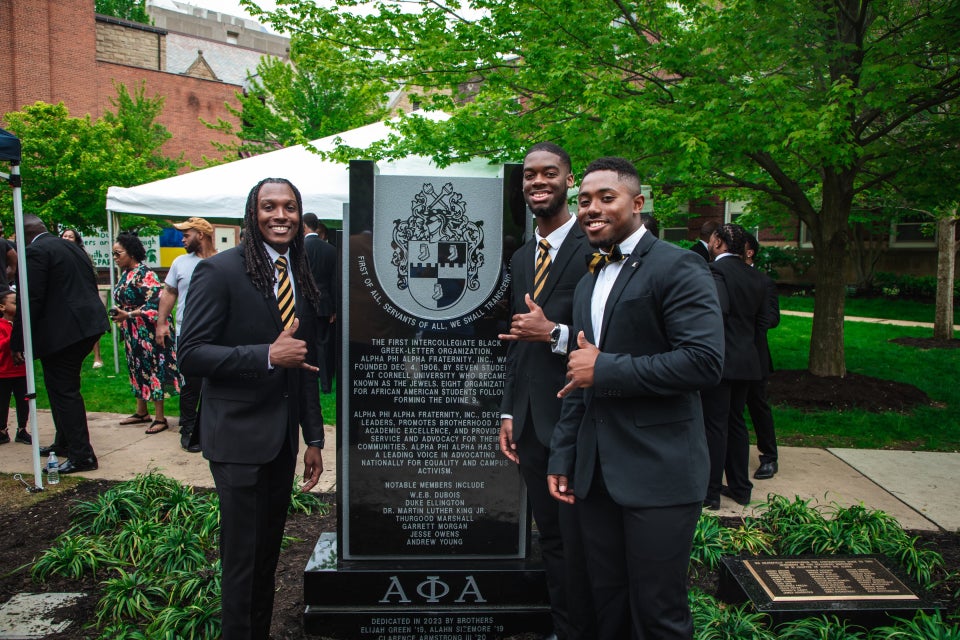
CWRU has allowed me to train at various medical centers throughout Northeast Ohio and partner with institutions that are deeply committed to improving men’s health. Through collaborations with Cleveland Clinic and my fraternity, Alpha Phi Alpha Fraternity, Inc., I’ve had the opportunity to volunteer at numerous men’s health screening events where I’ve discussed the importance of nutrition, exercise and mental health with men throughout Greater Cleveland.
These experiences have reinforced one of the most important lessons I’ve learned throughout medical school: Meeting patients where they are matters. When patients feel comfortable, respected and understood, we can build stronger relationships that encourage them to take a more active role in their health.
What men's health issues deserve more attention?
Two areas of men’s health that I believe deserve greater attention are prostate cancer and chronic traumatic encephalopathy (CTE).

Prostate cancer disproportionately affects Black men, who experience higher rates of diagnosis and mortality. I’ve personally witnessed this disease affect multiple men in my own family, which makes this issue especially important to me. Although we’ve made significant advancements in screening and treatment, stigma and misconceptions surrounding prostate cancer screening still exist. I want men to understand that screening typically begins with a simple blood test that measures prostate-specific antigen (PSA), and a digital rectal examination isn’t always necessary. More importantly, men should feel empowered to have conversations with their physicians about their individual risk factors and when screening may be appropriate.
Another issue I’m passionate about, particularly because of my interest in sports medicine, is CTE. As research continues to advance, we’re learning more about the potential long-term neurological consequences of repetitive head impacts, especially in contact sports such as football. Too often, male athletes grow up hearing phrases like “shake it off” or “play through the pain,” even when dealing with potentially serious injuries. I believe we need to change that culture and emphasize that protecting an athlete’s long-term health is more important than any single game. Ultimately, I want athletes to understand that their identity extends far beyond the sport they play. Their health and well-being should always come first.
What barriers prevent men from seeking medical care?
I believe stigma, historical mistrust and barriers to accessing care are among the biggest reasons men avoid seeking medical attention. Increasing representation in medicine, building meaningful relationships with communities, and creating healthcare environments where patients feel heard and respected are essential steps toward breaking down these barriers.