From San Antonio to student leadership: One student’s impact at CWRU
Sofia Castro found community at CWRU—then helped other students find theirs
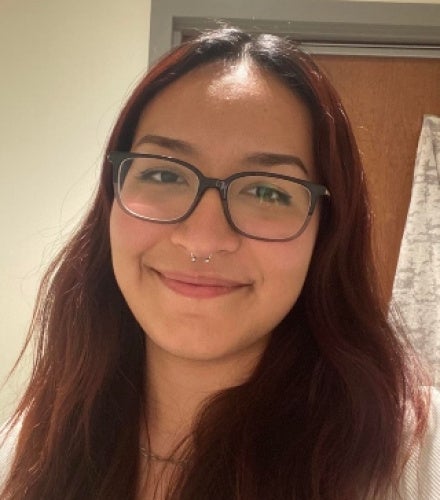
Sofia Castro did not plan to leave Texas for college.
A first-generation Mexican-American student from San Antonio, Castro was applying to schools close to home when her college adviser gave her a small challenge: Apply to one out-of-state school.
Case Western Reserve University’s strengths in health and science fit the interests that would shape her studies, and a strong financial aid package helped make the decision possible.
The choice brought her to Cleveland—and eventually to the student leadership role that would shape much of her time at CWRU.
Castro first encountered the Undergraduate Diversity Collaborative (UDC) through student organizations that reflected parts of her own experience, including First CWRU, for first-generation college students, and Alianza, for Latinx students.
“For many students, these organizations are one of the first places they find community,” Castro said.
UDC supports more than 75 multicultural, advocacy and inclusion-centered student organizations with funding, leadership development and representation in conversations with university administration.
By sophomore year, Castro had joined UDC’s executive board as treasurer. From that seat, she saw the quieter side of student advocacy—the funding decisions, leadership questions and administrative channels that can determine whether a group’s work gains traction or stalls.
“I wanted the structure behind UDC to match the importance of the work our clubs were already doing,” Castro said.
The presidency gave Castro a different kind of leverage. Over the past two years, she made UDC easier for student groups to navigate and more visible in decision-making spaces—clarifying funding cycles, updating parts of its constitution and securing a regular seat on the university’s Advisory Committee on Student Life.
Castro also encouraged UDC organizations to look beyond campus, working with the Office of Multicultural Affairs and her executive board to count volunteer and service work toward participation requirements.
That outreach, she said, felt especially urgent as students navigated national debates over immigration, representation, access to resources and safety.
“For some students, it’s uncertainty about immigration status. For others, it’s whether they have access to resources, representation or simply a sense of safety,” Castro said. “These organizations help make campus feel like the home away from home that it’s supposed to be.”
At its best, Castro said, UDC helps students find connection without flattening their differences.
Its member groups include organizations for Christian, Muslim, Middle Eastern, first-generation, Black, Puerto Rican, Asian American and many other student communities. They hold distinct missions, but they also share meetings, collaborate on programming and support one another’s work.
“Even though there’s diversity, there’s a lot of unity in it,” Castro said. “That’s my favorite part.”
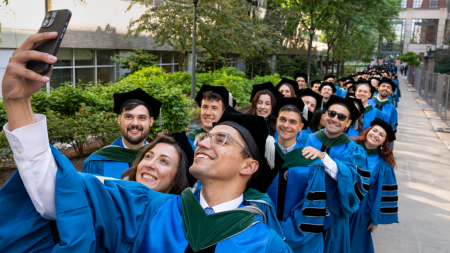
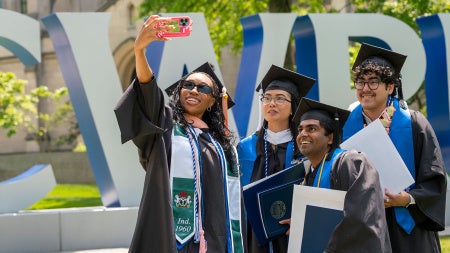
This month, Castro is graduating with a bachelor’s degree in cognitive science from the College of Arts and Sciences and a Master of Public Health in health policy and management from the School of Medicine.
After commencement, she will return to San Antonio for a gap year at the Center for Health Empowerment in South Texas—a new practice focused on medically underserved communities.
There, she will see patients as a medical assistant and help the organization study and respond to health needs in a historically redlined part of the city, where many Hispanic residents face limited access to hospitals, emergency services and chronic disease care.
Her long-term plan is to attend medical school and become a family medicine physician—work she sees as an extension of the values that shaped her student leadership.
“Equity and accessibility are core values that drive me,” she said. “I want to be the person helping the populations that are usually left out by the system.”