

By Leah Ross
As a resident and leader in Buckeye-Woodhill, I often hear the phrase, "No decisions about us without us." On the surface, it seems simple, but putting this value into practice is a real challenge in our community. At the heart of this principle is the idea that resident voices should hold decision-making power. And, in a community with a history like ours, we can't talk about power without talking about empowerment.
Buckeye-Woodhill's history is one of strategic, racialized disinvestment. During the mid-1950s, many Black families moved to this neighborhood of Cleveland seeking economic opportunities. As a result, many white families and business owners left, banks and real estate firms stopped investing in the area, and neglect overtook the neighborhood.
More than sixty years later, the residents living here today are just as full of ideas, innovation, and creativity as their ancestors who moved north. But to truly move forward, the power shift—empowerment—must continue to happen today.
Empowerment is what turns the resident voice from a mere rubber stamp into a foundation for decision-making. Empowerment involves sharing time, resources, and knowledge. One of my favorite forms of empowerment is leader development. When I work with students in New City Cleveland’s Winter Workday Job Program, a youth workforce program that provides free yard and snow services for seniors, I'm reminded of what makes a good leader: knowing your strengths, understanding your leadership style, recognizing your blind spots, and being responsive to the context in which you lead. Each season, I’m eager to leverage my time and collaborate with our volunteers and partners to help develop the leadership of these teenagers. As we empower future leaders, we also aim to model opportunities for the student to live out empowerment, too.
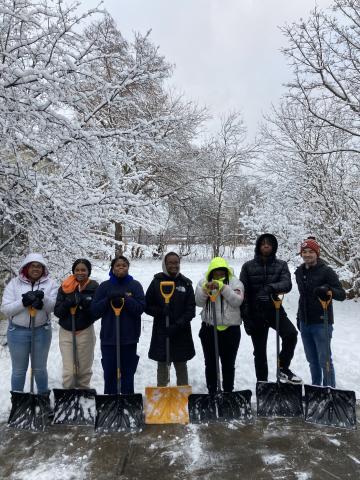
This lesson was brought to life in the second year of the Winter Workday Youth Program. We realized that something crucial was missing: a space for students and seniors to connect, not just through service, but by slowing down and listening to one another. Our seniors shared stories of their long history in the community and how they had seen the neighborhood change. Creating a space for listening transformed our relationship with the seniors, turning them from service recipients into valued contributors. Our senior neighbors are empowered to share their wisdom and embrace how the rich experiences they have had in life are extremely valuable in building up a stronger community. A space built for listening is a space built for empowerment.
However, it’s important not to be deceived into thinking this process is simple or quick. Empowerment takes time because it’s organic. It begins with just a few residents—seeds planted in the neighborhood, individuals who have the energy and vision to use their voices to create the change they want to see. But for these seeds to grow, the soil must be right. Communication, shared spaces, and trust are the nutrients in the soil that make it possible for growth to happen.
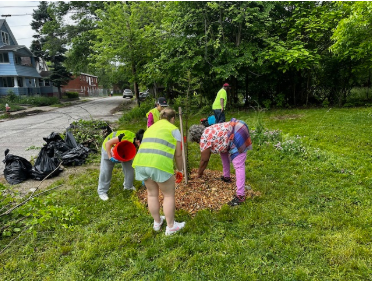
Building resident power takes time because it isn’t driven by money or investment, unlike many other improvements we see in our community. Institutions typically have significant financial resources, while residents do not. But while money often drives material progress, resident investment is community transformation fueled by time, presence, and lived experience. I’ve seen this firsthand through my work with the New Image Block Association, which started with three people and has now grown to over a dozen residents connected to this essential channel for resident voice. Through our dedication, we’ve held the police accountable for responding to gun violence, transformed vacant land, and driven infrastructure improvements, like replacing street lights and updating our park.
I’m proud of the courage and power of my neighbors to make these changes, but there’s still more I hope to see.. While we often focus on empowering youth and seniors—who are typically the most active members in block clubs—there’s a huge opportunity to engage the "Sandwich Generation." This group of adults, often busy with jobs and/or raising children, has the most to gain from a thriving community because we are building the world our children will inherit. Yet, they are often the least engaged due to the many demands on their time. Our communities need innovative ways to capture the energy of this group without adding to their sense of burnout.
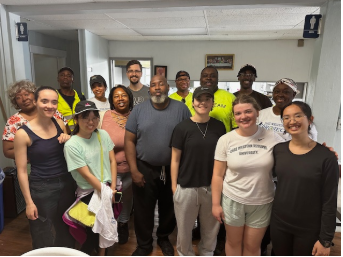
Raising up the power of resident voice through empowerment requires substantial investment of time, trust, and resources. It means affirming our neighbors’ knowledge, skills, and opportunities so they can lead with confidence. Lastly, it requires institutions to relinquish control, which often makes people uncomfortable. But true empowerment is substantive not symbolic; it reshapes how choices are made.
While true resident empowerment is slow and demanding, it is an essential part of building a healthy community where we, the residents, shape our neighborhood and our own future. "No decisions about us without us" means we don’t just need a seat at the table; we need the power to change the menu.
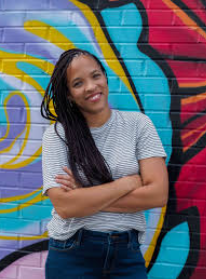
This essay was written by Leah Ross, a community leader, wife, mother of four, and entrepreneur. Leah is the Executive Director of New City Cleveland, Co-President of the New Image Block Association, and a member of the Woodhill-Buckeye Choice Neighborhoods Initiative Steering Committee. She has been a steadfast, gentle, passionate, and wise force in the Buckeye-Woodhill community for years.