

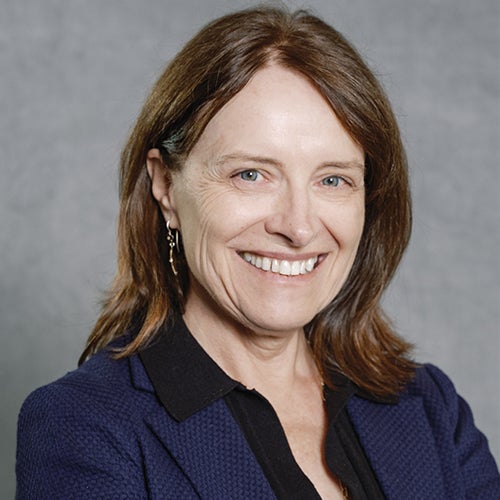
Sally Temple, PhD
Neural Stem Cell Institute
Keynote Speaker
Talk Title: Modeling, Targeting and Healing: Stem Cell Strategies to Combat Neurodegeneration in the Brain and Eye
Dr. Sally Temple is the Scientific Director of the Neural Stem Cell Institute (NSCI), where she leads research programs focused on how stem cells contribute to the development, maintenance, and repair of the central nervous system. She earned her undergraduate degree in developmental neuroscience from the University of Cambridge, UK, and her Ph.D. in optic nerve development from University College London.
During her postdoctoral studies at the University of Miami, Dr. Temple demonstrated the existence of stem cells in the embryonic mammalian central nervous system, a foundational contribution to the neural stem cell field. In recognition of her pioneering work, she received a MacArthur Fellowship.
Dr. Temple has served as both President and Board Member of the International Society for Stem Cell Research (ISSCR) and was elected to the U.S. National Academy of Medicine.
Her current research spans basic and translational neuroscience, including the development of stem cell–based therapies for age-related macular degeneration (AMD), a clinical-stage program she co-leads with her husband, Dr. Jeffrey Stern, and the use of patient-derived stem cell models to study AMD and tauopathies, with the goal of uncovering disease mechanisms and advancing regenerative treatments.
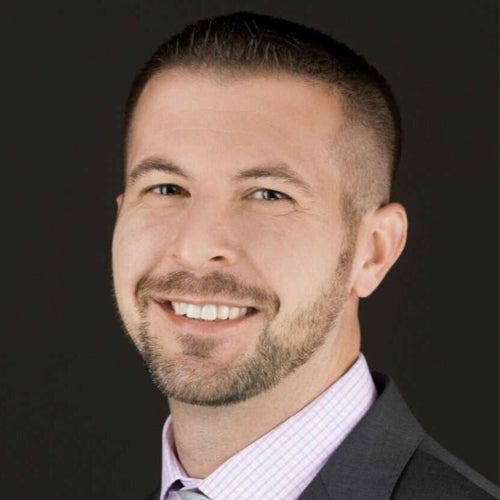
Paul Tesar, PhD
Institute for Glial Sciences, Case Western Reserve University
Conference Chair
Paul Tesar is the founder and Director of the Institute for Glial Sciences at Case Western Reserve University School of Medicine. He was born and raised in Cleveland, Ohio and received his undergraduate degree in Biology from Case Western Reserve University. Paul went on to earn his DPhil (PhD) from the University of Oxford as a recipient of a scholarship from the National Institutes of Health. During his doctoral studies, he discovered epiblast stem cells, providing the field with an entirely new tool for studying pluripotency and differentiation.
Paul is the Pavey Family Eminent Professor in the Department of Genetics and Genome Sciences at Case Western Reserve University School of Medicine and is the holder of the first eminent professorship in University history. His laboratory has pioneered new glia-focused approaches to understand and treat multiple sclerosis, pediatric leukodystrophies, and other neurodegenerative diseases.
He was honored as a New York Stem Cell Foundation – Robertson Investigator in 2011 and received the Outstanding Young Investigator Award from the International Society for Stem Cell Research in 2015. He was also the recipient of the New York Stem Cell Foundation – Robertson Stem Cell Prize in 2017. In 2019, Paul was recognized as one of Crain’s Cleveland Business’ “Forty Under 40” and named a “HomeGrown Hero” in Academic Research by Cleveland.com/The Plain Dealer.
In addition to these honors, Paul is an elected Fellow of the American Association for the Advancement of Science, an elected senior member of the National Academy of Inventors, and has earned the NIH Landis Award for Outstanding Mentoring.
Outside of the lab, Paul is the co-founder of Convelo Therapeutics, a Cleveland-based biotechnology company focused on remyelination medicines. Central to Paul’s work is a commitment to elevating science education and giving back to the greater Cleveland community through a non-profit that he co-founded called Rise Up Northeast Ohio.
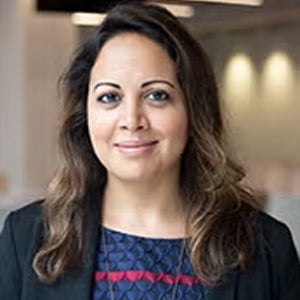
Raeka Aiyar, PhD
Institute for Glial Sciences, Case Western Reserve University
Conference Chair
Raeka Aiyar, Ph.D., is the Executive Director of the Institute for Glial Sciences (IGS) at Case Western Reserve University. She is a molecular biologist turned science communicator and ambassador, with 15 years of experience in disseminating biomedical research to diverse audiences. From her training at the University of Waterloo, Canada, to her Ph.D. from the European Molecular Biology Laboratory (EMBL) in Germany, to over a decade of leadership at nonprofit and academic institutions in the United States, she has driven scientific progress by building bridges across disciplines and communities.
Dr. Aiyar’s scientific background spans various areas of biomedical research characterized by emerging technologies and collaborative efforts. After her B.Sc. in genetics and bioinformatics at the University of Waterloo, she spent her Ph.D. studies developing and applying genomic technologies to discover new therapeutic strategies for mitochondrial disorders. As Director of Communications and Development at the Stanford Genome Technology Center working with Ronald Davis, she led fundraising and scientific strategy for programs in diagnostics, chronic fatigue syndrome, synthetic biology, and precision medicine — as well as support for these programs via patient engagement, conference organization, and consortium building.
For 7 years as Vice President of Scientific Outreach at The New York Stem Cell Foundation, she led scientific communications, content development, grant strategies, and event programming for scientists and the public, forging new partnerships in stem cell technology, regenerative medicine, and disease modeling that grew all of these areas.
Dr. Aiyar has organized over 100 scientific events and moderated nearly 50 panel discussions on key challenges in science that have reached thousands worldwide. She has helped raise over $50M in grant funding for biomedical research. As a passionate advocate for improving the way science is done in engagement with patient and public communities, she has spearheaded numerous efforts across communications, events, health equity research, and grantmaking to build awareness, promote dialogue, and challenge the status quo. As IGS’ new Executive Director, she leads the Institute’s external engagement, communications, events, and partnerships.
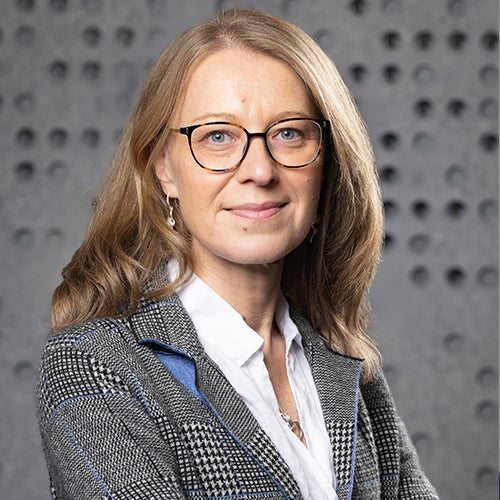
Valentina Fossati, PhD
The Jackson Laboratory
Talk Title: Advances in Human iPSC-Derived Glial Models for Alzheimer's and Parkinson's Disease Research
Valentina Fossati, PhD, is Co-Director and Principal Scientist at The Jackson Laboratory in New York City. She received her degree in Pharmaceutical Biotechnology and her PhD in Stem Cell Biology from the University of Bologna. She completed postdoctoral training in embryonic stem cell biology and immunology at the Icahn School of Medicine at Mount Sinai as an NYSCF-Druckenmiller Fellow, before establishing her research group at The New York Stem Cell Foundation Research Institute in 2011.
Dr. Fossati is a stem cell biologist with more than fifteen years of experience developing human induced pluripotent stem cell (iPSC)-based models of the central nervous system, with particular expertise in glial biology, neurodegeneration, and disease modeling. Her laboratory has made foundational contributions to generating and applying human iPSC-derived oligodendrocytes, astrocytes, microglia, and complex neural co-culture and organoid systems.
Her research focuses on using patient-derived iPSC platforms to investigate mechanisms of glial dysfunction in neurological diseases, particularly neurodegenerative diseases including multiple sclerosis, Alzheimer’s disease, and Parkinson’s disease. Her group has developed scalable and physiologically relevant human models to study glial biology, neuroinflammation, neuron-glia interactions, and disease-associated glial states, integrating omics, high-content imaging, and functional assays to identify cellular mechanisms and therapeutic opportunities.
She currently leads and collaborates on multiple NIH-, ASAP-, and foundation-funded initiatives focused on developing next-generation human cellular models for Alzheimer’s disease and Parkinson’s disease research and therapeutic discovery.
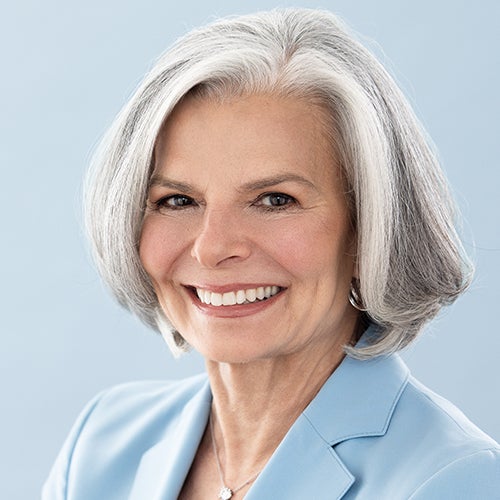
Julie Louise Gerberding, MD, MPH
President and Chief Executive Officer
Foundation for the National Institutes of Health
Julie Louise Gerberding, M.D., M.P.H., is the President and CEO of the Foundation for the National Institutes of Health (FNIH), a non-profit organization that builds large public-private-patient biomedical research partnerships in support of the NIH mission.
She directed the U.S. Centers for Disease Control and Prevention (CDC) from 2002-2009 and led the agency through more than 40 public health emergencies, including SARS, avian influenza, and numerous natural disasters.
She is a globally recognized infectious diseases expert whose multi-sector career trajectory spans senior leadership roles in academia as a tenured faculty member at the University of California, San Francisco, government service, President of Merck Vaccines, and Executive Vice President and Chief Patient Officer at Merck & Co., Inc.
She co-chairs the Center for Strategic International Studies (CSIS) Bipartisan Alliance for Global Health Security. Her board service includes McKesson, Mayo Clinic, Case Western Reserve University, Research!America, and several biotech and non-profit organizations.
Dr. Gerberding is a member of the National Academy of Medicine and the adjunct faculties of the University of California, San Francisco, and Case Western Reserve University.
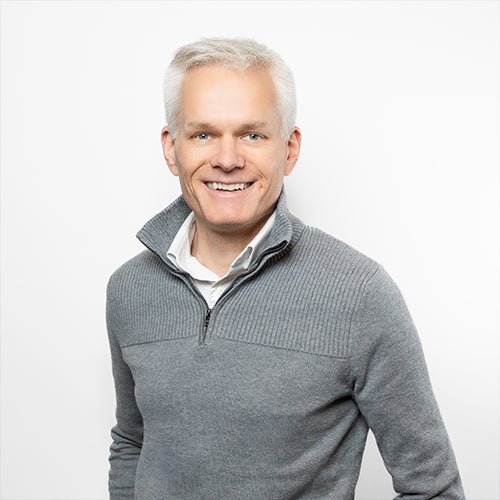
Stefan Irion, MD
GC Therapeutics
Talk Title: Rewriting Glial Identity: Transcription Factor Programming from Cell State to Therapy
Stefan Irion is the Chief Scientific Officer of GC Therapeutics, where he leads the scientific strategy behind a transcription factor-based programming platform designed to generate functional cell therapies for ex vivo and in vivo delivery. Programmable cell identity combined with flexible delivery opens opportunities well beyond conventional cell replacement, positioning GCTx among the most credible paths to broad patient access in next generation cell therapy.
Prior to GCTx, Stefan spent nine years at BlueRock Therapeutics, holding roles of increasing scope as Vice President of CNS, Senior Vice President of Research, and ultimately Chief Scientific Officer. He led cell therapy development through successive stages of clinical advancement, including the program that became bemdaneprocel, an investigational stem cell therapy for Parkinson's disease.
Stefan had originally advanced the underlying research finding at Memorial Sloan Kettering Cancer Center, where he served as Program Manager from 2013 to 2018, into an IND and the formation of BlueRock. He then followed the work across institutions for most of a decade, a continuity rare in translational medicine and central to carrying a research idea through manufacturing, regulatory, and scientific hurdles to patients.
Earlier, Stefan was Senior Scientist and Project Team Leader at iPierian, where he led the iPSC based discovery work that produced IPN007, an anti-tau antibody for Alzheimer's disease that advanced into clinical development and contributed to the company's acquisition by Bristol-Myers Squibb. Before iPierian he completed a postdoctoral fellowship at the University Health Network in Toronto in cell biology, stem cell science, and gene targeting.
Stefan earned his M.D. at the University of Tübingen in Germany. His clinical training continues to anchor his approach to drug development. Every program decision, in his view, ultimately traces back to a patient. Having built his career across three countries and multiple institutions, Stefan holds the conviction that the strongest scientific teams draw from genuinely diverse perspectives, scientifically, culturally, and operationally.
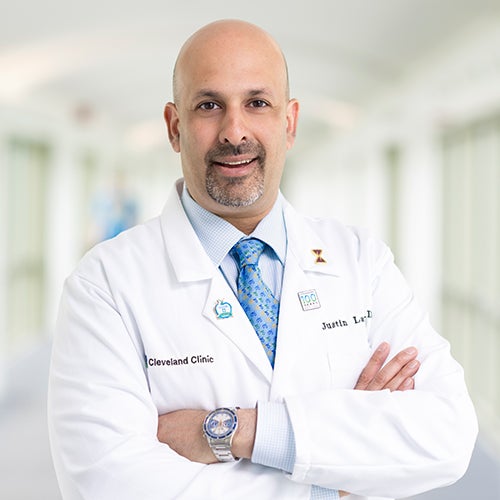
Justin Lathia, PhD
Cleveland Clinic
Talk Title: How can we leverage sex differences to understand novel mechanisms of glioblastoma growth and identify next-generation therapeutic opportunities?
Dr. Justin Lathia leads a translational glioblastoma research laboratory at the Cleveland Clinic where he is the Melvin Burkhardt Chair and Scientific Director of the Rose Ella Burkhardt Brain Tumor & Neuro-Oncology Center. He is also Professor in the Department of Cancer Sciences and Director of Faculty Development at Cleveland Clinic Research. Dr. Lathia is also the Reza Khatib MD Professor and Co-Leader of the Molecular Oncology Program at the Case Comprehensive Cancer Center.
Dr. Lathia received a B.S. and M.S. in Biomedical Engineering from Drexel University and completed his Ph.D. in Stem Cell Biology as part of the NIH-Cambridge Graduate Partnership Program. After completing his Ph.D., he completed post-doctoral fellowships at Duke and the Cleveland Clinic where he focused on the role of cell adhesion in regulating cancer stem cells in brain tumors.
In 2012, Dr. Lathia transitioned to an independent investigator at the Cleveland Clinic, and the work in his laboratory focuses on understanding how cancer cells interact with their surrounding microenvironment and the impact of sex differences on immune response. Work in the Lathia laboratory has resulted in four Phase 1 clinical trials in the past eight years.
Dr. Lathia has co-authored over 310 publications, and work in his lab is currently supported by multiple National Institutes of Health grants and foundation grants. Dr. Lathia also contributes as a peer reviewer to over 180 journals, serves on the editorial boards for Cell Reports, Cancer Research, and Neuro-Oncology, and has served on multiple grant review panels for the National Institutes of Health and private foundations.
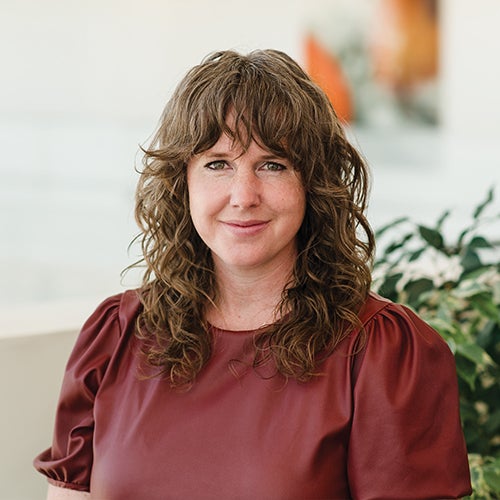
Brittany Needham, PhD
Indiana University School of Medicine and Stark Neurosciences Research Institute
Talk Title: Gut bacterial signals that influence myelination patterns
Brittany Needham is currently an Assistant Professor at Indiana University School of Medicine and Stark Neurosciences Research Institute. She studied mechanisms of bacterial pathogenesis that can be utilized as tools in vaccine development at the University of Texas at Austin, where she earned her PhD in the laboratory of M. Stephen Trent.
With a new focus on the gut microbiota, and in particular how gut microbes can influence the function of the brain, Brittany completed her postdoctoral work at California Institute of Technology with Sarkis Mazmanian.
Now, her lab focuses on the dynamic metabolic activity and bidirectional flux of molecules between gut microbe and host. Specific mechanisms mediating gut-brain interactions remain poorly defined. The lab aims to improve understanding of the molecular communication between gut microbes and host systems to uncover critical signals propagated from the gut microbiota that can influence the brain, with a particular interest in myelin-related phenotypes.
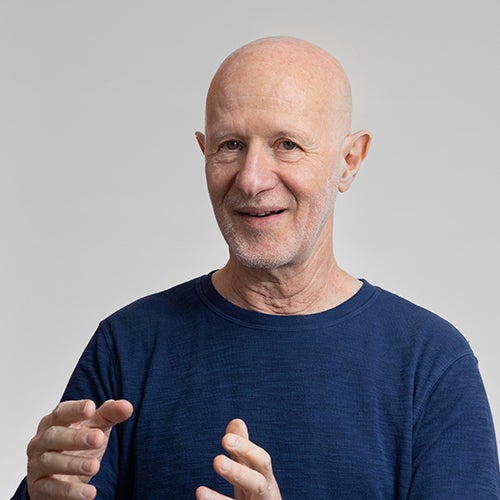
Richard Ransohoff, MD
Third Rock Ventures
Richard M. Ransohoff is, as of January 2018, Venture Partner at Third Rock Ventures. At Third Rock, Ransohoff works on company creation with particular focus on serious unmet medical need in neurology, immunology and neuropsychiatry. He was a scientific Co-Founder for Abata Therapeutics, where he served for two years as interim Chief Medical Officer (CMO) and member of the Executive Leadership Team. He helped to develop and launch Trace Neuroscience, where he serves on the Scientific Advisory Board (SAB).
From 1984-2014 Ransohoff was Staff Member at Cleveland Clinic where he founded and directed the Neuroinflammation Research Center (2005-2014) in the Lerner Research Institute and served (1984-2014) as Staff Neurologist, Cleveland Clinic Mellen Center for MS Treatment and Research. He lists >460 scientific articles and reviews in PubMed (August 2026 H-index 154; >125,000 citations) and trained >70 students and post-docs who hold positions in science, medicine and industry. Ransohoff served on the Scientific Advisory Boards (SAB) for the Keystone Symposia and is presently on the American Brain Foundation (ABF) Board of Trustees and Research Advisory Committee.
Ransohoff served on both NIH and National MS Society study sections for many years and continues service on Special Emphasis Panels. He was Associate Editor of Neurology for inflammatory and infectious conditions for 10 years, before becoming founding Editor-in-Chief for Neurology: Neuroimmunology and Neuroinflammation. He continues on editorial boards for Trends in Immunology, Trends in Molecular Medicine (until 2024) and Journal of Neuroimmunology.
Among other awards, Ransohoff was named in “Best Doctors” from 1996-2014 for his expertise in patient care for MS. He received the John and Samuel Bard Award in Science or Medicine, Bard College (2002), F.E. Bennet American Neurological Association Lectureship (2009), the John J. Dystel Award for MS Research from the National MS Society and American Academy of Neurology (2012) and the Distinguished Alumni Award, CWRU School of Medicine (2018). He’s a Fellow of the American Association for the Advancement of Science (AAAS) and member of the Association of American Physicians.
Richard is married to Margaret Seidler Ransohoff (1988), has two daughters, Amy (born 1989) and Lena (1994). The family recently greeted Amy’s daughters Madeleine (2022) and Abigail (2025).
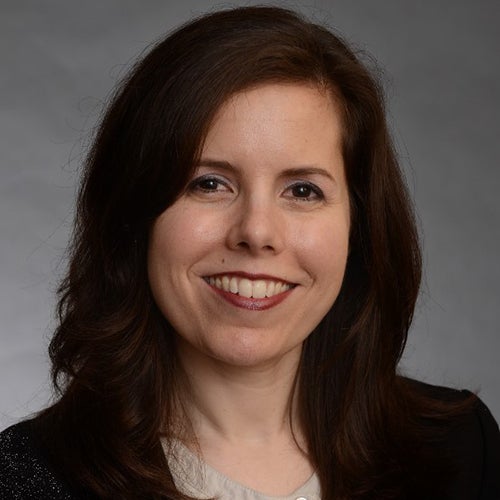
Amy T. Waldman, MD, MSCE
University of Pennsylvania and Children’s Hospital of Philadelphia
Talk Title: Zilganersen for the treatment of Alexander disease
Amy T. Waldman, M.D., M.S.C.E., is an Associate Professor of Neurology at the Perelman School of Medicine at the University of Pennsylvania. Dr. Waldman received her Medical Doctorate from Jefferson Medical College (Thomas Jefferson University). She completed her pediatrics residency at The Children’s Hospital of Philadelphia (CHOP) and child neurology residency at both CHOP and the Hospital of the University of Pennsylvania.
The recipient of the National Multiple Sclerosis Society-American Academy of Neurology Foundation Clinician Scientist Development Award, Dr. Waldman completed a fellowship in pediatric and adult MS. In 2005, she co-founded the Pediatric MS Center at CHOP, and in 2015, she co-founded the Leukodystrophy Center at The Children’s Hospital of Philadelphia.
Dr. Waldman’s primary research focuses on the development and interpretation of outcome measures for clinical trials in neuroinflammatory and neurodegenerative diseases. She has received research funding from a number of sources including the National Institutes of Health, National Multiple Sclerosis Society, American Academy of Neurology, and United Leukodystrophy Foundation and has published her research in numerous journals.
In 2021, she was appointed the Associate Director of Gene Therapy at CHOP. She is also the Elise’s Corner Endowed Chair in Alexander Disease Research at CHOP.
Among her leadership roles, she is the committee chair for the Neurologic and Ophthalmic Gene and Cell Therapy Committee and is a member of the speaker’s bureau for the American Society of Gene and Cell Therapy (ASGCT).