5 questions with medicine’s Brian Bangs, Class of 2026
As commencement approaches for Case Western Reserve University School of Medicine students, the excitement of what lies ahead is matched by the gratitude to the people, classes and clinicals that made a difference along the way—because the journey of earning one’s degree is just as important and impactful as the destination of a healthcare career.
To capture that experience, we spoke with several School of Medicine graduates as they prepare to close this chapter and step into the next.
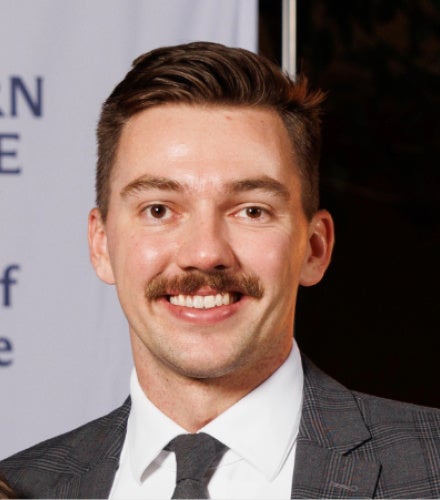
Read on to learn about Brian Bangs, a Doctor of Medicine (MD) candidate from West Lafayette, Indiana.
Answers have been lightly edited.
What initially drew you to CWRU?
I was drawn to the highly student-driven curriculum that focused on peer teaching and camaraderie. The curriculum felt rigorous, but not strict in the sense that you would be stuck in a lecture hall for eight hours a day. It gave students the freedom to structure their schedule in a way that made sense for them, while creating space to access all the incredible opportunities and teaching hospitals in the community. It felt like CWRU was very intentional about creating a community of medical students that lifted each other up, as opposed to undermining and competing against each other.
What course or campus experience shaped your education most?
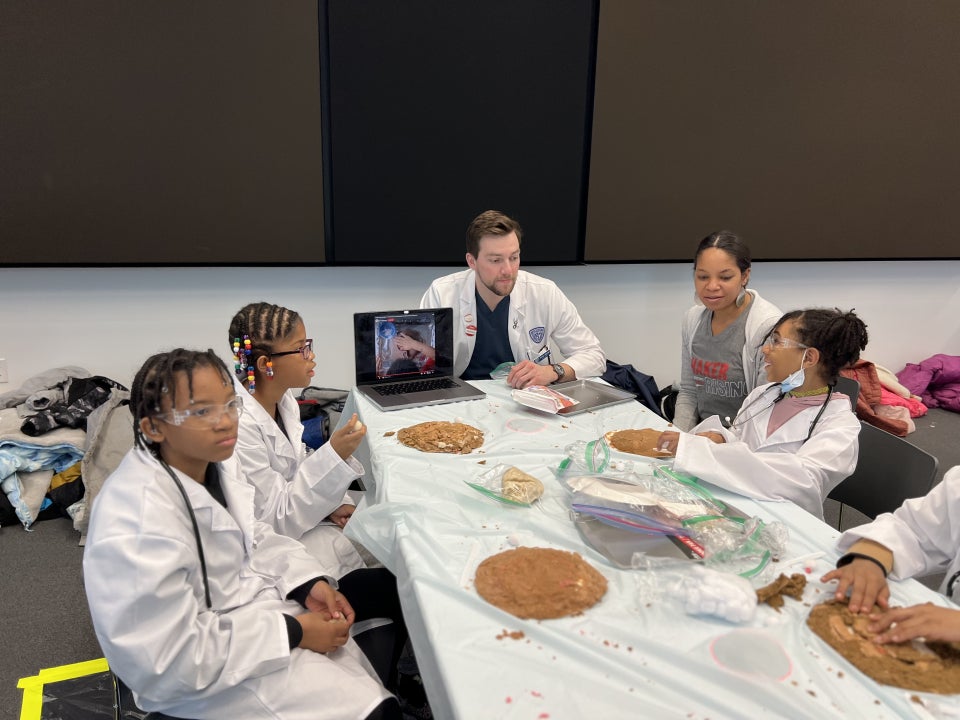
My pediatric acting internship or sub-internship was by far the most influential and impactful experience. This experience was the most challenging and rewarding academic and professional experience I have had to date. Every patient brings a different lesson. If you don’t see it or don’t feel that way, you’re not looking hard enough. The simplest thing we can do for our patients is simply showing compassion and listening to them. That is the characteristic that, in my opinion, has driven the highest impact, brought the most appreciation from my patients and their parents, and definitely the sweetest and most memorable moments I have shared with patients and families.
During my pediatric AI, the mother of one of my patients asked me to take a picture with her daughter so that I could be included in her baby book. On the day of their discharge, after a week-long stay, she gave me a handwritten card, expressing her thanks and appreciation for always believing her and listening to her concerns. It’s really easy to get bogged down in the seemingly simple diagnoses and repetitive nature of treating the “bread and butter” cases we see. She was a new mom, concerned about her daughter. She needed someone to listen. That card and picture with her daughter sit in a frame on my desk today as a constant reminder to show compassion and empathy with every single patient.
I also did a lot of other work on campus that shaped my time here. I’d say I’m most proud of helping co-found a student group called Student-Doctor-Patient with some of my friends. The group was started with the intention of building a community for medical students dealing with chronic illness or disability during medical education and training. I was diagnosed with Inflammatory Bowel Disease in December 2022, about six months after starting medical school. That diagnosis came with a lot of anxiety and questions. This group has given me the space to talk to my peers about the uncertainty associated with navigating chronic disease during medical training and what it could mean during my training. It has also taught me so much about how I want to show up as a leader of future teams and create an inclusive environment that supports everyone in their unique journey.
What is your favorite memory as a student at CWRU?
Being with the people. I have made lifelong friends here that I will continue to lean on during residency, and I look forward to a lifetime of group trips and reunions.
Some of my personal traditions and memories I’ll miss most are the eating traditions I have created with my closest friends—mainly, “all you can eat” sushi and Korean BBQ at Kintaro.
What’s next for you after graduation?
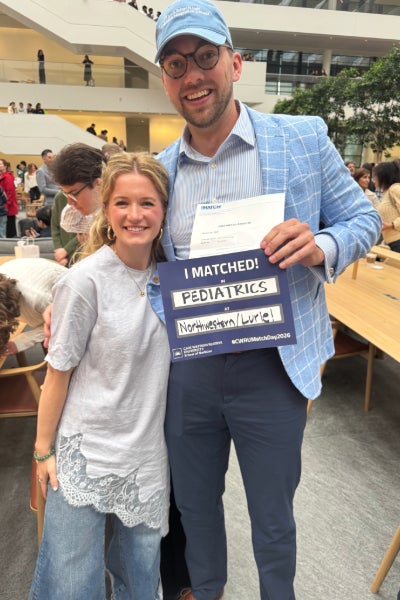
I matched into pediatrics at Lurie Children’s Hospital of Chicago (Northwestern). I am very excited about training to become a pediatrician at the institution where I decided to become one in the first place. Clinically, I see myself pursuing inpatient pediatric medicine, something with higher acuity. I’m not entirely sure what that will be yet, but I could see myself pursuing pediatric hospital medicine, pediatric critical care, or pediatric emergency medicine. Outside of my direct clinical work, I’m very passionate about advocacy and hope to make addressing social determinants of health and health inequity a cornerstone of my future career. I am very excited about the opportunities and network that exist at Lurie Children’s and the Magoon Institute to be able to pursue these passions and make a real difference in pediatric healthcare.
What advice would you give to new students in your program?
Don't compare yourself to your peers. Everyone is running their own race to do what makes the most sense for them to achieve their highly personal goals. Do what you need to do to get you to where you want to be, and don't waste your time or energy comparing your achievements and accomplishments to others.