Case Western Reserve Human Trafficking Clinic expands statewide efforts as survivors seek fresh start
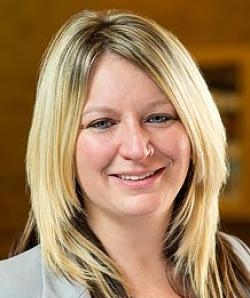
CLEVELAND—Brittany Figlar has spent most of her life just fighting to survive. Repeatedly abused as a child, she endured homelessness, addiction and years of human trafficking that left her with nearly two-dozen criminal charges across four Northeast Ohio counties.
Those scars are the kinds of barriers that made stable housing, employment and healing feel out of reach.
“I didn’t think anyone would ever see me as more than my criminal record,” she said. “I’ve had to fight for my human rights every step of my life.”
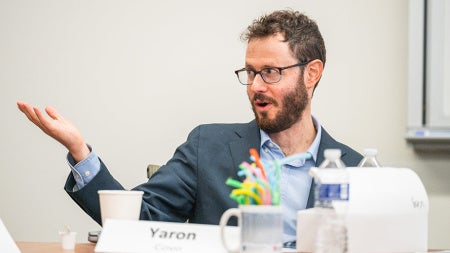
It’s one of the reasons she’s dedicated her life to helping others going through similar struggles. Seeking help to clear an old traffic conviction, Figlar, now 34, met Maya Simek, the director of the Human Trafficking Law Clinic at Case Western Reserve University.
Part of the School of Law’s long-standing interdisciplinary justice program, the clinic represents survivors like Figlar seeking Safe Harbor expungements—clearing criminal records tied directly to their exploitation—and helps resolve open cases statewide. Working in partnership with community agencies in 10 counties, the clinic offers what Simek calls “a pathway back.”
The clinic’s work coincides with the expansion of the Ohio law, broadening the range of offenses that survivors can have expunged, changes that Simek said will make it easier to secure employment, housing and personal safety.
But it’s not all expungement cases. Since 2019, the Human Trafficking Law Clinic has handled more than 1,000 cases—including expungement and record sealing, name and gender marker corrections, protection orders, social security benefits, warrant block identification, fee waiver requests, identity theft, child support modifications, driver's license reinstatements and debt negotiations.
Under the Safe Harbor law, more than 30 survivors received help with over 150 expungements—including three people who had assistance with more than 20 cases each.
“Survivors’ records often reflect crimes they were forced to commit while being trafficked,” Simek said. “When records block basic needs, it keeps people trapped in the same vulnerabilities traffickers exploit. Our job is to help remove those barriers and restore what the system took from them.”
Figlar calls the legal relief “life-changing.”
“Maya gave me freedom that I’ve never had,” Figlar said. “I got a driver’s license. I got an apartment. For the first time in my life, I have a good name. The clinic spoke for me until I learned to speak for myself.”
The clinic’s model is deeply interdisciplinary: Each year, students from law, social work and undergraduate programs work together to support survivors. Second-year law students begin in the practicum lab; third-year students, operating under a legal intern bar card, represent clients in court.
The clinic provided a survivor-engagement training for 100 first-year medical students, who learned directly from a trafficking survivor how frontline providers can recognize indicators. This year, each student in the clinic interviewed Figlar, so she could give them feedback about their intakes “and what they can do differently. It was very powerful.”
Law school alumni now practicing in private firms, public defender’s offices, prosecutors’ offices and nonprofits carry this perspective forward. “They carry this trauma-informed sensitivity forward into whatever area of law they continue into,” Simek said.
She said the Human Trafficking Clinic has strong relationships with the judicial system in Cuyahoga County, even as other counties—often in rural areas—are either reluctant or unfamiliar with the law. “We are expanding awareness of what human trafficking looks like and its consequences—including how it can result in some individuals entering the justice system as defendants,” Simek added.
For Figlar, the impact is personal and profound. Several of her charges have been expunged. She now enjoys stable housing, steady employment and a future she once thought impossible.
“I finally get to be seen for who I am,” she said, “not for what happened to me.”