

Humanities, Arts + Social Sciences
June 17, 2019
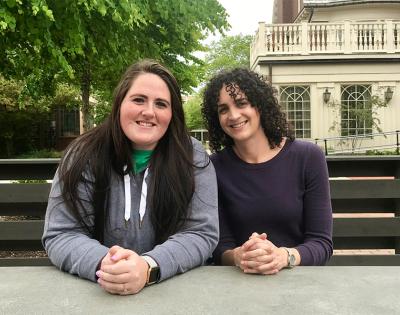
Mandel School graduate students found Community Health Initiative aimed at providing social work assistance to men’s homeless shelter Recent
Case Western Reserve University graduates Jamie Bohunicky and Kasey Clouse were
just looking to put into practice skills they’d learned at the Jack, Joseph…
May 24, 2019
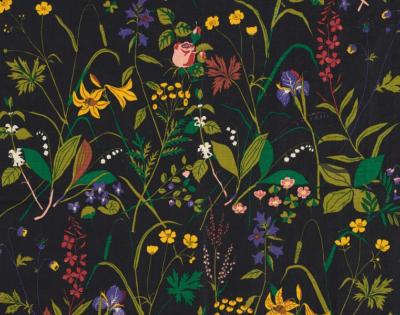
Creating the exhibition Swedish Modern Design, on display at Cleveland Museum of Art, Case Western Reserve University students trace the influence of Swedish interior design from the 1920s to today Stepping inside a middle-class home in Sweden 60 years ago
would probably look and feel a little…

May 23, 2019
Case Western Reserve University physics professor applies tools of statistical mechanics to explain why basic ordered patterns emerge in music across time and cultures Next time you listen to a favorite tune or wonder at the beauty of a natural sound, you might also end up pondering the math…

May 08, 2019
Researchers have long-known that abused children are at higher risk of adolescent drug use. But a new study shows that quality time with a father figure serves as a “protective factor,” helping to mitigate early childhood trauma. Researchers from the Jack,
Joseph, and Morton Mandel School of…
May 01, 2019
Faculty and researchers at the Jack, Joseph and Morton Mandel School make headlines every day for work that advances social justice and creates a more just world. Check out some of the top stories from the past month: Pay for Success: Robert Fischer March 26
Ohio Treasurer Aims to Help Tackle…

April 30, 2019
$65.9 million federal grant supports multifaceted initiative to cut overdoses by 40% in three years; involves experts from six universities With a $65.9 million National Institutes of Health (NIH)
grant to address Ohio’s opioid epidemic, a consortium of academic, state and
community…

March 28, 2019
Gangs are established as social networks, not exclusively criminal enterprises as they’re commonly perceived, according to a Case Western Reserve University social sciences researcher, who spent years entrenched in inner-city housing developments studying social networks and gang behavior. Mark…

March 27, 2019
What does it take to stay in a good mood? In short: Once happy, steer clear of choices that could invite in negative feelings. According to new research from Case Western Reserve University, people become protective of their good moods—and avoid options and behaviors that could potentially sully…
March 25, 2019
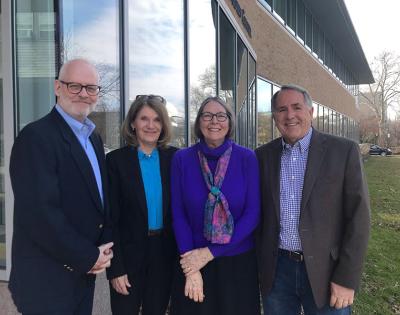
Four social-work faculty
members from Case Western Reserve University were named among the top 100
social workers in the nation by Taylor & Francis, an international academic
publishing company. The names of those employed by the 76 members of the Group for the Advancement of Doctoral…

March 06, 2019
Researchers at the Mandel School awarded $715,000 grant to examine thousands of police interviews with sexual assault victims Police
officers may use “signaling” language in sexual assault reports—occasionally
dropping hints about the validity of the victim’s claims—that possibly
influences an…