

Media
January 22, 2021
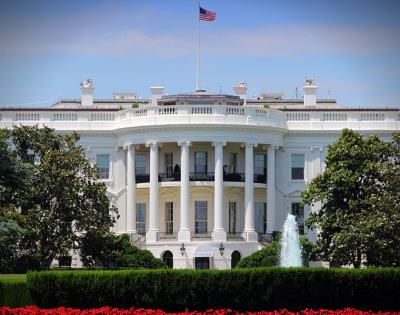
Could the tradition of presidential departure letters end with President Trump? TEGNA/NBC stations: Joe White, the Luxenberg Family Professor of Public Policy in the Department of Political Science at the College of Arts and Sciences, reflected on the traditions of presidential transition—and how…
January 22, 2021
Small business owners worry any political unrest on Inauguration Day could mean a change in spending habits WEWS: Michael Goldberg, associate professor at Weatherhead School of Management, noted that it’s not just uncertainty around COVID-19 that can affect spending habits, but political unrest,…
January 22, 2021
‘No vaccine, no service:’ How vaccinations may affect travel plans in the future CNBC: Sharona Hoffman, the Edgar A. Hahn Professor of Law, said countries will have to balance the need for tourist income with the inherent coronavirus risks that travelers bring with them—and required vaccinations…
January 21, 2021
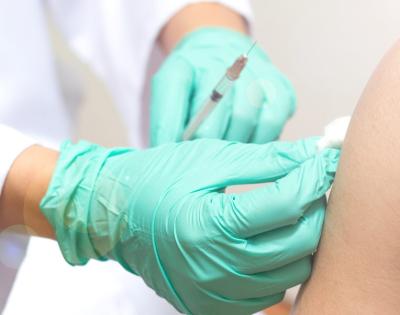
Use the private sector—especially insurance companies—to speed up COVID-19 vaccines MarketWatch: J.B. Silvers, the John R. Mannix Medical Mutual of Ohio Professor of Health Care Finance at Weatherhead School of Management, commented on strategies that could accelerate COVID-19 vaccinations,…
January 21, 2021
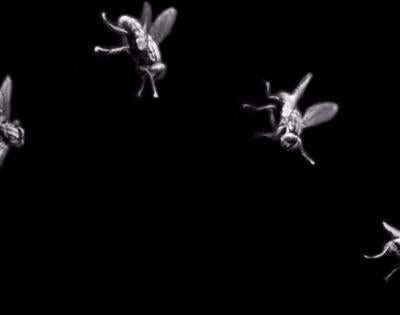
Why are flies so hard to swat? NPR: Jessica Fox, associate professor in the Department of Biology at the College of Arts and Sciences, explained one of the reasons the common housefly is so difficult to swat sometimes: the “halteres”—evolutionary remnants of wings which not only generate lift for…
January 21, 2021
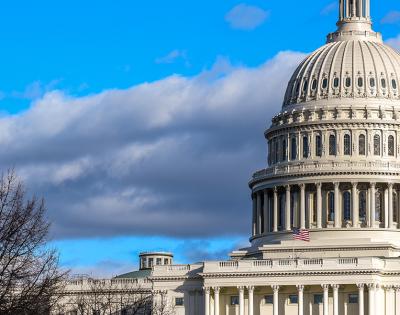
How will Rep. Gonzalez' impeachment vote affect his reelection chances? WOSU: Justin Buchler, associate professor of political science at the College of Arts and Sciences, noted that Ohio Republican Rep. Anthony Gonzalez’ vote in favor of impeaching President Donald Trump went against the majority…

January 21, 2021
US Capitol riot raises questions over racial double standard in policing Financial Times (subscription required): Ayesha Bell Hardaway, assistant professor of law and co-director of the Social Justice Institute, noted a contrast between the treatment of the rioters at the Capitol insurrection and…

January 21, 2021
Trump faces unprecedented second impeachment trial CBS News: Jonathan Adler, the Johan Verheij Memorial Professor of Law, discussed the procedures of the second impeachment of President Donald Trump. The resolution the House voted on charges Trump with a single article, "incitement of…
January 21, 2021
Biden will have more women in his cabinet than any president ever. Other countries still do better. The Washington Post: Karen Beckwith, the Flora Stone Mather Professor in the Department of Political Science at the College of Arts and Sciences, commented on the record-tying number of women…
January 15, 2021
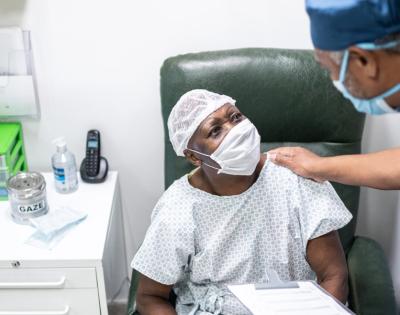
Study finds African American cancer patients at increased risk from COVID-19 WOSU: Nathan Berger, the Hanna-Payne Professor of Experimental Medicine at the School of Medicine, discussed his new research into how African Americans have been disproportionately affected by COVID-19—and how that…