

Science + Tech
June 11, 2016
The concept sounds like the stuff of science fiction: take a pill, and suddenly new tissues grow to replace damaged ones. Researchers at Case Western Reserve and UT Southwestern Medical Center this week announced that they have taken significant steps toward turning this once-improbable idea into…
June 03, 2016
The American Society of Clinical Oncology (ASCO) Annual Meeting starts today in Chicago. The Case Comprehensive Cancer Center has many members participating, presenting, and leading sessions. Click here to view a full list of participation. Please support your colleagues if you are attending the…
May 23, 2016
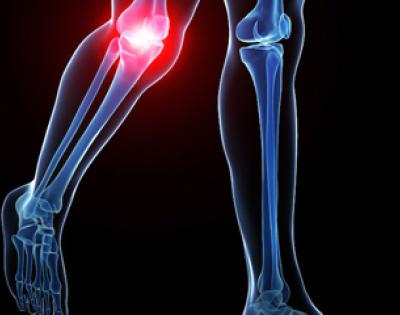
Five-year, $6.7 million federal grant for new Center for Multimodal Evaluation of Engineered Cartilage aims to make cartilage knee implants from patients’ cellsCase Western Reserve University will open a new center designed to develop evaluation technology and set standards for testing and…
May 13, 2016
Guest Author: Peter Weinberger, Chair, Case Cancer Council The Case Cancer Council is comprised of 40 dedicated volunteers who help promote and support the work of nearly 380 physician-scientist members of the Case Comprehensive Cancer Center (Case CCC). I am proud to serve as Chair of the…
May 06, 2016
In an effort to move to the next stage of genomic research big data, the National Cancer Institute (NCI) has established a new genomic data commons: https://gds.nih.gov/. All investigators can access this site to query genomics data across large populations. This will take you beyond The Cancer…
May 06, 2016
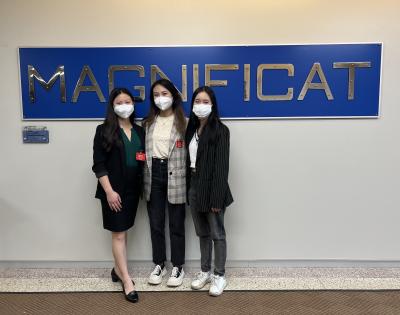
Alex Huang, MD, PhD, co-Leader of the Hematopoietic and Immune Cancer Biology Program of the Case Comprehensive Cancer Center and pediatric oncologist at the Angie Fowler Adolescent & Young Adult Cancer Institute at University Hospitals Rainbow Babies & Children's Hospital, has been named to a…
May 04, 2016
Bioethicists from Case Western Reserve University School of Medicine and The Hastings Center, working with a research administrator at The Rockefeller University, are proposing a reexamination of an internationally recognized rule limiting in vitro research on human embryos to 14 days…

May 04, 2016
Five Case Western Reserve University junior faculty members have been awarded National Science Foundation CAREER grants, bringing more than $2.5 million for research to campus. The five-year grants support the scientists as they delve into how nanopartical organization controls properties of…

May 03, 2016
Effort to understand risks of treatment, and prognostic clues to long-term outcomes Prostate cancers are either low-grade, low-risk forms that may be monitored but otherwise untreated, or they’re serious enough to require surgery and radiation. Monitoring can cause patients anxiety. Radical…
April 29, 2016
I just signed up for VeloSano Bike to Cure, marking the second year that the Case CCC will coordinate a team. I'm hoping you will join me. We had a great time last year, and this year should be even better, and our team even larger! I encourage you to take the time to sign up. Information about…