The Lorna Fung Memorial Graduate Fellowship Award
Expected Graduation Year: 2026
Major: Speech Language Pathology
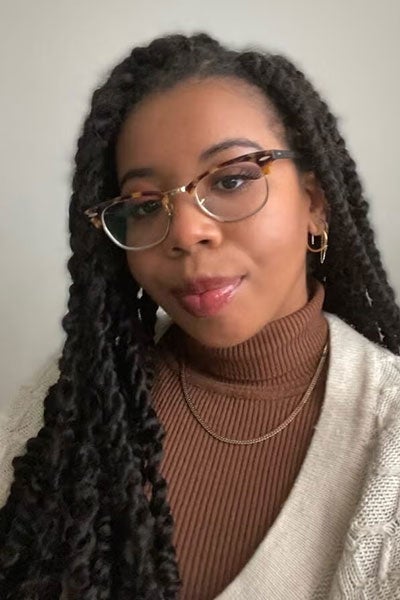
Amber See, a Case Western Reserve double alumna, was awarded The Lorna Fung Memorial Graduate Fellowship Award during her final semester of her master’s program in Speech Language Pathology. After earning her bachelor’s degree in Communication Sciences and Psychology, Amber continued her studies at CWRU, where the fellowship provided invaluable clinical experience working with patients across the lifespan to improve speech, language and swallowing abilities.
Amber plans to begin her career as a medical Speech-Language Pathologist, helping individuals improve their quality of life through compassionate, evidence-based care. The hands-on training and clinical experiences made possible through the fellowship have strengthened her commitment to the profession and prepared her to make a meaningful impact in the lives of her future patients.
What is one of your favorite things about CWRU?
I really appreciated my program’s small cohort size, which has given me the opportunity to form meaningful relationships with my classmates, staff, and faculty.
What is your favorite CWRU memory?
I love walking around Wade Oval, especially during spring when the cherry blossoms are blooming.
Please describe your experience in your academic department, including any research, faculty mentoring, study abroad experiences, or key projects you participated in.
I was a member of the Stuttering, Emotion, & Cognition Research and Training Lab (PI: Dr. Katerina Ntourou). Her research focuses on examining the risk factors of anxiety in children who stutter to help identify those at risk early, tailor interventions to their specific needs, prevent the long-term negative consequences of stuttering, and ultimately improve their quality of life.
I also completed a meta-analysis examining the effectiveness of telepractice for improving naming accuracy in adults with post-stroke aphasia. This work aimed to inform clinical decision-making and evaluate telepractice as a practical, evidence-based option for delivering language therapy.
Who has been particularly helpful or inspiring to you and your studies? Feel free to name professors, mentors, or others on campus.
I am grateful to all those I have interacted with during my time at Case Western Reserve University. I have been fortunate to work with wonderful professors, advisors, and clinical supervisors who have supported and guided my journey. I am also extremely thankful to my patients, who have allowed me to be a part of their lives, sharing their struggles with me while also giving me the opportunity to celebrate their progress and successes alongside them.
What are your post-graduation plans or future goals?
I plan to pursue a career as a medical speech-language pathologist, where I can help individuals with speech, language, and swallowing challenges.