From greenhouses to graduate school
Meet a doctoral candidate making her mark in Byzantine-era textile research at CWRU
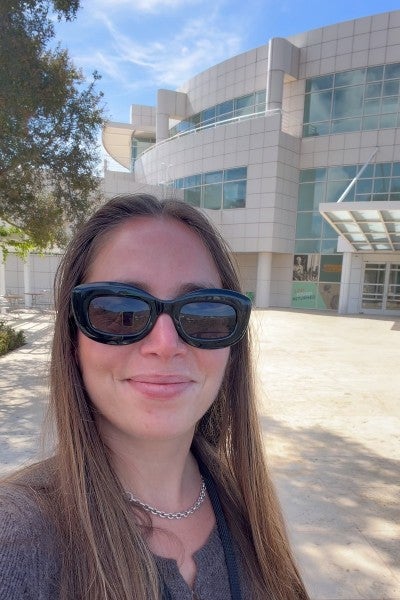
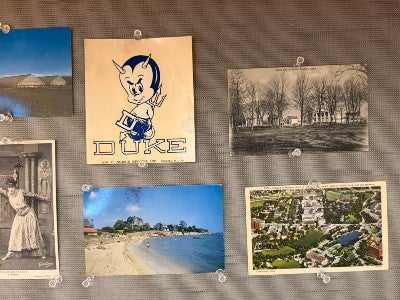
Clara Pinchbeck grew up wandering through the perfumed air of greenhouses on her family rose farm in Guilford, Connecticut. She delighted in stories about her great Aunt Ilyana Garmisa—an artist and art historian—and her dear friend, Frida Kahlo. Those stories would bring forth a passion for art and history that would propel Pinchbeck all the way to Kenyon College, then Duke University and, today, to Case Western Reserve University, where she is working towards her PhD in art history.
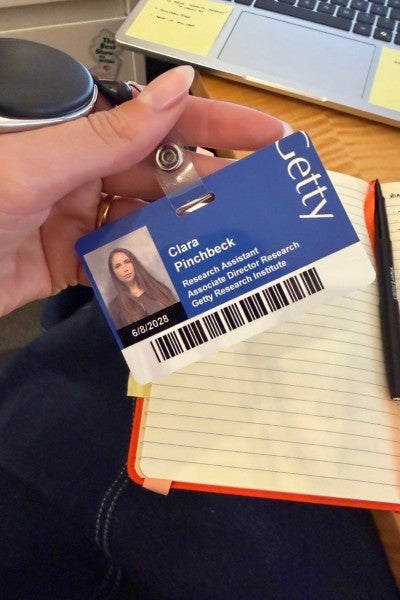
With plans to defend her dissertation and graduate next year, Pinchbeck is also picking up practical experience as a research assistant at the Getty Research Institute in Los Angeles.
Read on to learn more about Pinchbeck, her work and experience at CWRU.
Tell us more about what inspired you to pursue a career in art and history.
When I went off to college, my mother advised me to be a (medical) doctor and not to study art history. We all rebel against our parents at one point or another, but the joke is on me, as I seem to have found myself in over a decade of rebellion. Although I would like to note that I did take my mother’s advice and am working to be a doctor…of philosophy.
It is through my mother and my great-aunt that I found my passion: textiles. When my grandmother passed, my mother gave me some of her dresses and my great-aunt’s clothing, and through this experience I began to think about how people in antiquity, particularly women, reused or handed down fabric and what that meant. Clothing offers a key insight into ancient lived experiences because it sits against the body of a person, but because it is considered “craft” or “women’s work” by modern standards, it does not get the respect as an artistic tradition that it deserves.
Tell us about your research.
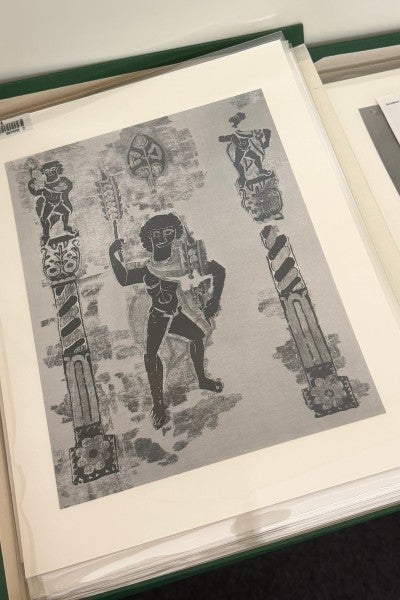
My dissertation research considers how people living around the Mediterranean in the Roman, Late Antique and Byzantine periods made sense of their world through dressing the dead for burial. Brilliant textile scholars have looked at these collections and iconographically assessed and carbon-dated them; however, my work aims to expand the understanding of these garments as pieces of art that were deeply interconnected to larger networks of community, aesthetics, power and trade. In our modern world, we have found ourselves divorced from the production of what we wear and use every day, and it is through my research that I hope to highlight the collaborative labor and ingenuity of dyers, yarn spinners, fullers and weavers, modern and ancient alike.
What have you been working on at the Getty Research Institute?

While my dissertation work is materially separate from my work at the Getty Research Institute (GRI), the loom, the original computer, acts as a connector, weaving these two worlds together. At GRI, I work with Nancy Um on digital projects that take art historical questions and answer them using tools such as GIS mapping, 3D modeling or machine learning. In the digital art history field, GRI is one of the major centers of digital innovation, and Dr. Um is at the forefront of this work. Each day on the job is different; some days I am in the archives pulling scholars' papers, some I am putting together the Historians of Islamic Art Association Symposium panel, some I am attending Wikidata meetings or Getty Vocabularies retreats. The goal of my work is to increase engagement with, and access to, the GRI collection.
Why did you choose Case Western Reserve University for your graduate studies?
When it comes to Byzantine scholars, there is no one better, more accomplished, or more forward-thinking than Elizabeth Bolman. When the time came to apply to PhD programs, I knew that Case Western Reserve University would be at the top of my list. Furthermore, the CWRU program is a joint program with the Cleveland Museum of Art (CMA), an institution I was captivated by since visiting in 2012 and one with the finest collection of ancient textiles in the world. Between the strength of the Byzantine, Roman and Medieval scholarly traditions at CWRU and the relationship with CMA, there was no better place to be an art historian. I would be remiss not to mention the strength of the Ingalls Library at the CMA and the Kelvin Smith Library at CWRU, as they are such fabulous resources for research.
What is the best advice you ever received?
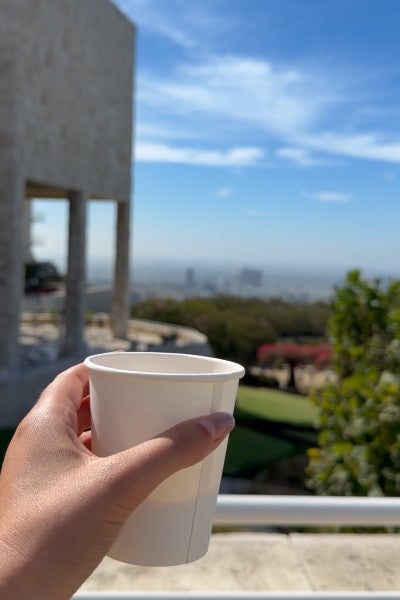
I feel lucky to have received a lot of life-changing advice, and two pieces stand out the most. The first, from Dr. Bolman, is that the most precious thing that you can have is an idea. The second, from my grandfather, the rose farmer, who taught me to carry a pen and paper everywhere. Armed with those tools and a curious mind allows you to be a lifelong learner, the greatest gift that you could ever give yourself.