The hidden history connecting Hungary and Latin America
Fulbright Scholar Damaris Puñales-Alpízar will examine the cultural networks, literary exchanges and diplomacy that connected the two regions during the Cold War
What can the travels of Latin American writers to Hungary during the Cold War reveal about culture, politics and the power of human connection?
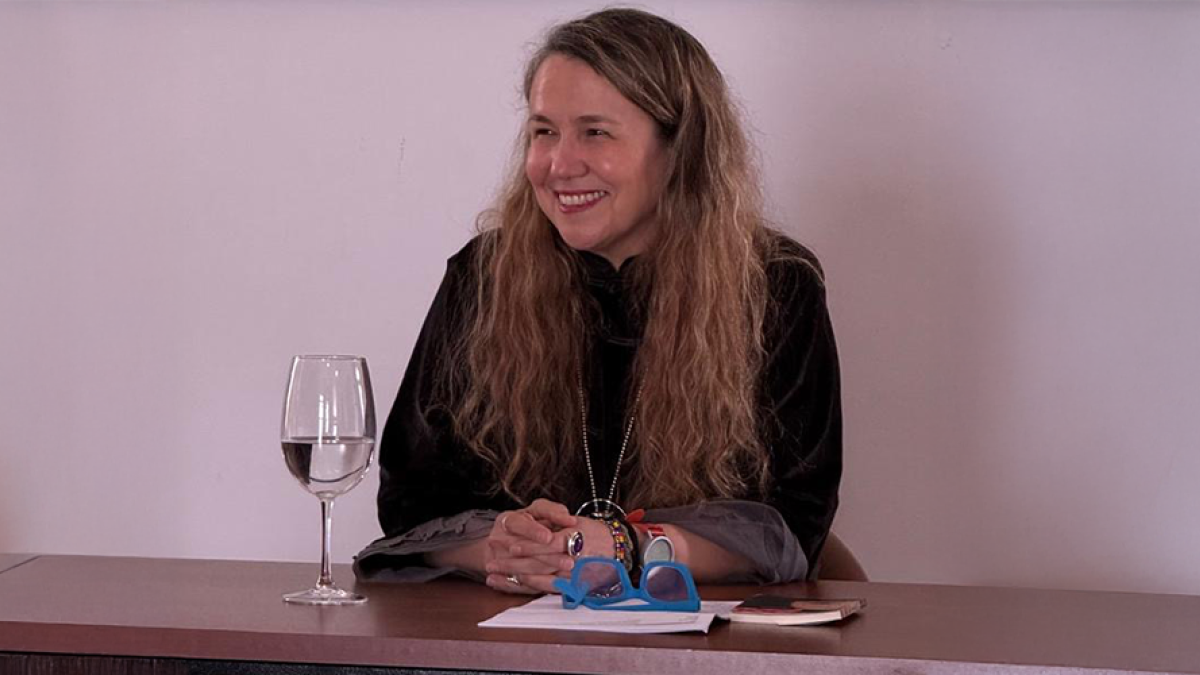
That's the question Damaris Puñales-Alpízar, PhD, professor of Hispanic studies at Case Western Reserve University, hopes to explore during a five-month Fulbright research appointment at University of Szeged in Hungary.
Beginning in January, Puñales-Alpízar will work with colleagues at University of Szeged while conducting archival research in both Szeged and Budapest. She will examine the literary, cultural and political networks that connected Latin America and Hungary during the Cold War—relationships that, despite producing lasting cultural exchanges, remain relatively understudied.
"I am also interested in the larger question of how literary translation and cultural diplomacy helped create forms of political imagination during the Cold War,” Puñales-Alpízar said. “These exchanges were not only literary; they were also ideological, institutional and deeply human."
Her research builds on years of scholarship that explores cultural diplomacy and the geopolitics of literary translation between Latin America and former socialist countries. While researching her 2025 book Red Codes: Geopolitics of Translation during the Cold War. Cuba and the Eastern Bloc, she became increasingly interested in Hungary's role after visiting Szeged last summer to deliver the closing lecture at the International Colloquium of Americanists.
An exhibit highlighting Latin American writers who traveled to Hungary—and the literary works inspired by those visits—convinced her there was much more to discover.
Among those visiting writers were Nobel Prize winners Pablo Neruda, Miguel Ángel Asturias and Gabriel García Márquez, all of whom visited Hungary at different points and wrote about the country. Puñales-Alpízar hopes to better understand how those visits came about, who facilitated them and how translators, scholars and cultural institutions shaped the exchange of ideas between Hungary and Latin America.
She believes those historical questions remain especially relevant today.
"This research is timely because we are again living through a period of major geopolitical realignments," she said. "It is important to look not only at politics, economics and military conflict, but also at culture—because culture plays a powerful role in shaping alliances, sympathies and ways of imagining the world."
Beyond laying the groundwork for a future academic book, she sees the experience as an opportunity to strengthen the university's international partnerships and reinforce the value of language learning and cultural immersion.
"There has been a lot of debate about AI and foreign language proficiency and translating machines," she said. "But there is a human factor that is irreplaceable. The capacity to immerse ourselves in another culture and create meaningful connections with other people is more important today than ever before."