Horizons Mentoring Program fosters future doctors through mentorship “families”
On National Mentoring Day, CWRU’s Horizons Mentoring Program shows the power of connection in shaping future physicians.
While many initiatives across the country aim to address the barriers that keep certain students from entering the medical field, none do it quite like Case Western Reserve University School of Medicine’s Horizons Mentoring Program.
Through small “families” of mentors and mentees made up of medical students, undergraduate pre-med students and local high school students, the program creates a multilevel support system to introduce Cleveland high schoolers to careers in medicine.
The goal? Build the next generation of healthcare professionals.
“The program is one of several community outreach programs initiated by [our medical] students who have a passion for serving the Cleveland community and want to see the area youth get excited and feel supported to pursue a career in medicine and healthcare,” shared Monica Yepes-Rios, MD, associate professor of medicine and assistant dean of student affairs for the Cleveland Clinic Lerner College of Medicine Program at Case Western Reserve University School of Medicine, who helps manage Horizons through grant support from the American Board of Internal Medicine.
The uniquely successful mentoring model
Each month during the academic year, participating students from CWRU School of Medicine’s three MD programs—the Western Reserve2 Curriculum, Medical Scientist Training Program and Lerner College Program—host two-hour sessions where they provide instruction and facilitate discussion on multiple facets of healthcare, including medical education, clinical skills and career paths.
The family-style mentorship model combines the two paradigms seen in other similar programs while avoiding some of their pitfalls: classroom-style instruction, which has a large reach but limited relationships, and one-on-one mentorship, which provides individualized support but suffers if the mentoring relationship loses connection.
“The mentoring families component is a ‘secret sauce’ of the success of the program,” said Yepes-Rios.
The impact of Horizons’ unique mentoring model is undeniable, as recent findings from two years of program data published in Building a scalable, multilevel healthcare pipeline program through structured mentoring families: perceptions and outcomes from two cohorts point to increased high school student engagement and confidence in pursuing careers in medicine or healthcare. The program has also grown significantly in the last few years, expanding from about 30 to 160 students.
A pipeline for future medical leaders
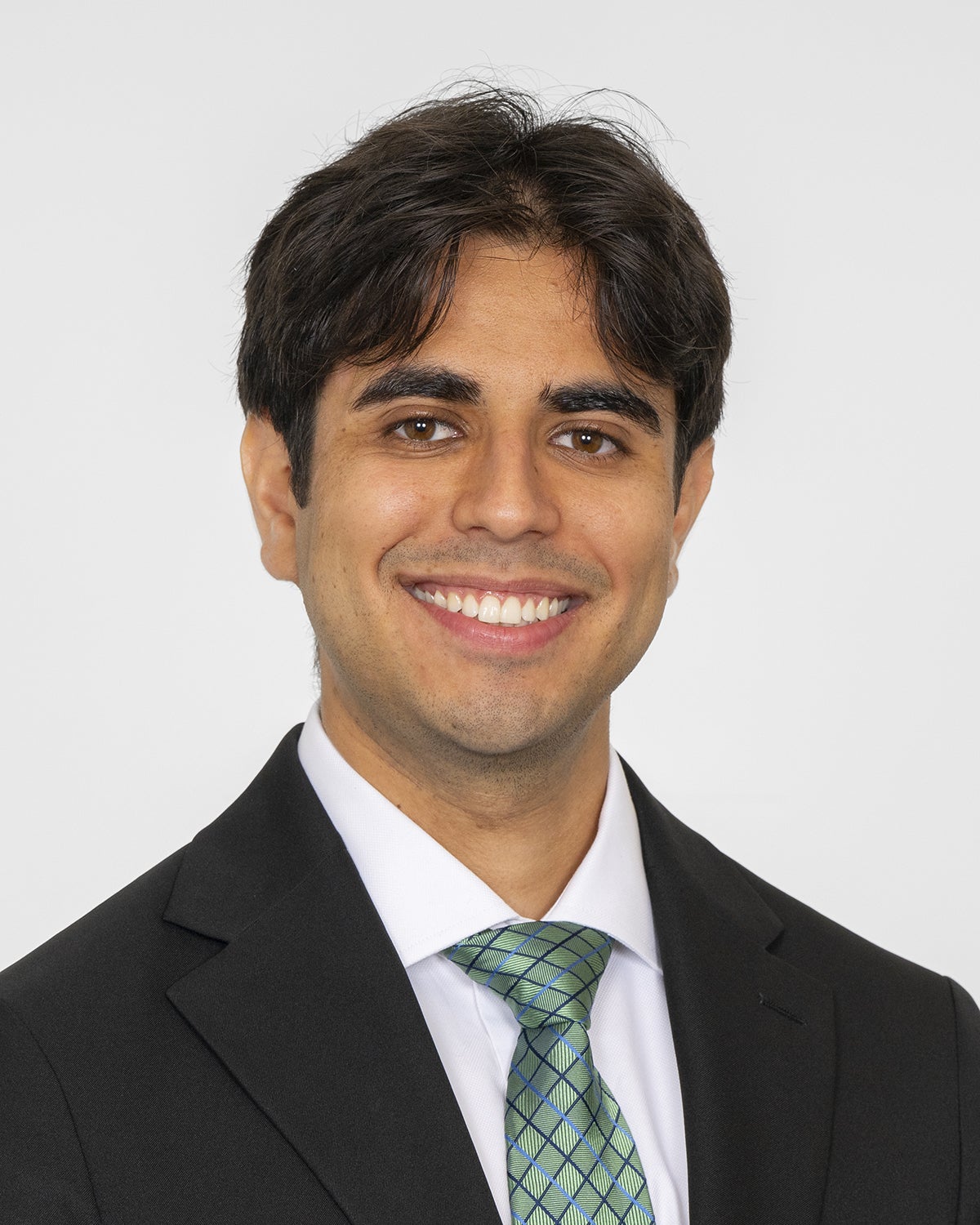
For mentors like second-year MD student Simon Vergara Santibañez, the emphasis on relationships is what drew him to Horizons in the first place.
“Throughout the course of the year, you grow friendships and bonds with each and every member in your little family,” he said. “I love mentoring and the idea that human connection is so key to career development.”
One of the most rewarding parts of the experience is seeing how early support can influence a student’s long-term goals. Some former Horizons participants have even reached back out to share that they are now preparing to apply to medical school.
In addition to helping local high school students explore medicine, Horizons gives CWRU medical students valuable experience that will serve them in their own careers, strengthening their leadership and community engagement skills—qualities essential for future physicians and healthcare professionals.
The layered mentoring model means learning happens in every direction—mentors say they gain just as much as they give.
“Strong relationships are key to longitudinal mentorship that impacts everyone involved,” Vergara Santibañez said. “It’s a daily reminder to continue building relationships with those around you.”
As Horizons continues to grow, its mission remains clear: Build a supportive pipeline into medicine and healthcare for underserved Greater Cleveland students while developing compassionate, community-minded leaders at CWRU who are already on that career path.
“The future of medicine depends on it,” Vergara Santibañez said of investing in younger students. “They are the future, and we get to play a direct role in their development. What a privilege.”