Passport to practice: Nursing students explore culture and care in Taiwan
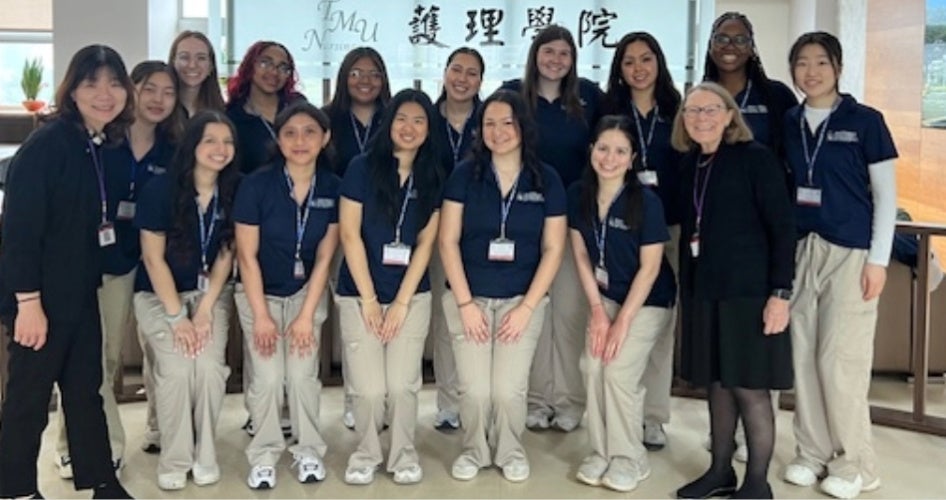
Fourteen nursing students headed to Taiwan over spring break to learn about healthcare systems, education and customs.
While some students spent spring break relaxing on beaches, this year, 14 Case Western Reserve University Bachelor of Science in Nursing (BSN) students went a different direction.
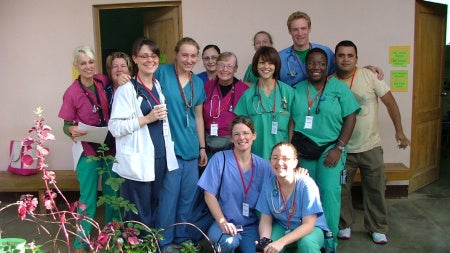
Instead of taking a week off, they immersed themselves in a fast-paced journey across Taiwan—one that blended cultural exploration with exposure to a globally respected healthcare system. Accompanied by faculty members Deborah Lindell, DNP (NUR ’03), and Chao-Pin Hsiao, PhD, the group spent a week engaging with hospitals, universities and communities, gaining a deeper understanding of how culture shapes care.
“This is really about gaining a 360-degree perspective—healthcare, nursing practice and the broader culture,” Lindell explained. “We want students to understand not just how care is delivered, but what the society values and how that influences health.”
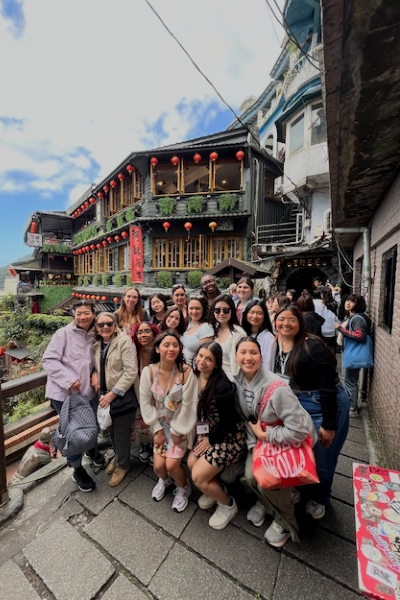
From the moment they arrived in Taipei, students jumped into a packed itinerary developed in partnership with Taipei Medical University. Lectures, hospital tours, community visits and cultural experiences kept them busy—often logging more than 16,000 steps a day as they navigated the city.
Early in the week, students visited long-term care and adult day centers, where they didn’t just observe—they participated. Some helped prepare meals, while others delivered food to homebound older adults or shared lunch with community members. They were struck by the compassion embedded in elder care and the opportunities for the elderly population.
For third-year nursing student Jackie Lopez, those moments stood out.
“I loved seeing how the facility was being used by the community and was very amazed at how inclusive this program was for elders with and without disabilities,” she said. “Many of these concepts are very unique to Taiwan.”
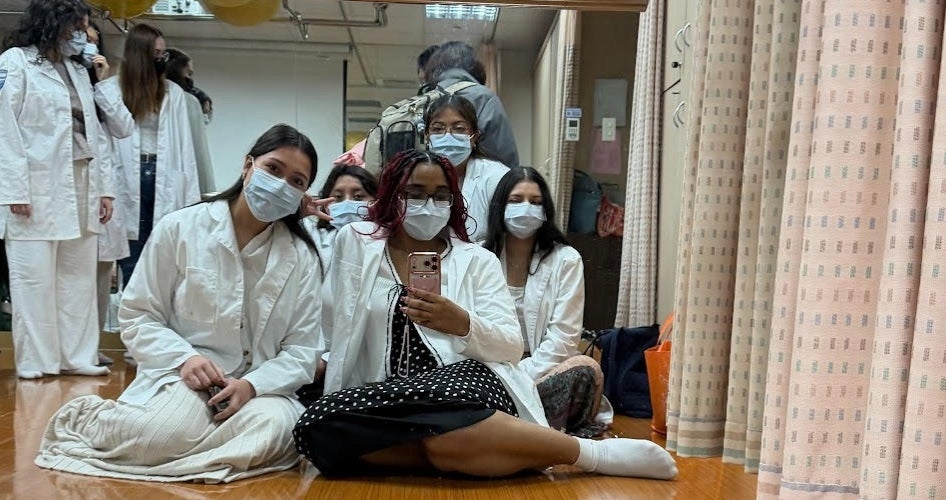
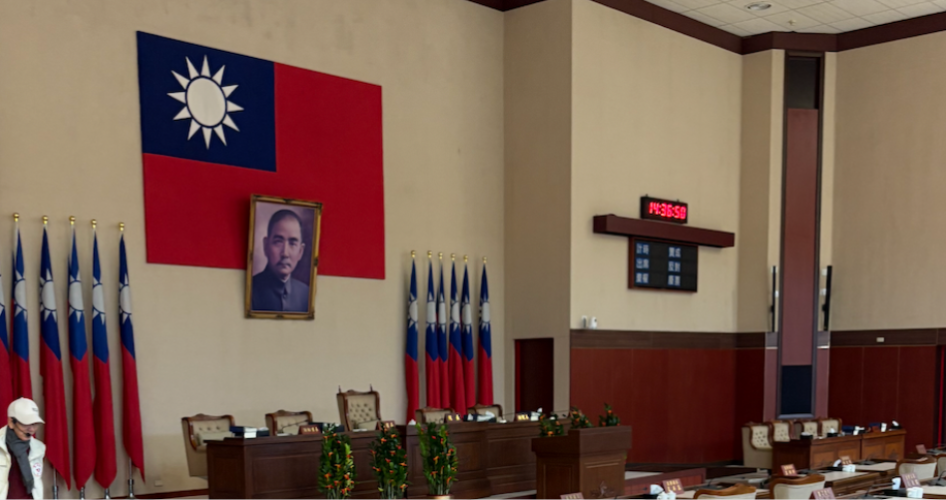
Students also explored clinical environments, visiting both private and public hospitals—including those affiliated with National Yang Ming Chiao Tung University—where they compared healthcare delivery models and nursing roles. Another nursing student, Nashly Ozuna Blanco, said the approach to patient care dynamics was eye-opening.
“It is very common for the nurse to only perform clinical skills, while the family provides all of the patient care skills we learned in our first year,” she said. “I didn’t see a single call light go off, but I did see family members step in to help. It completely changed how I think about patient support systems.”
The academic component of the trip added further depth. At Taipei Medical University, students attended lectures on topics such as traditional Chinese medicine and postpartum practices, including various cultural traditions not practiced in the U.S..
“That was especially interesting because it connected directly to what I’m learning in my obstetrics rotation,” third-year student Leticia Cortes said. “It made me reflect on how postpartum care in the U.S. could benefit from incorporating more structured support for new mothers.”
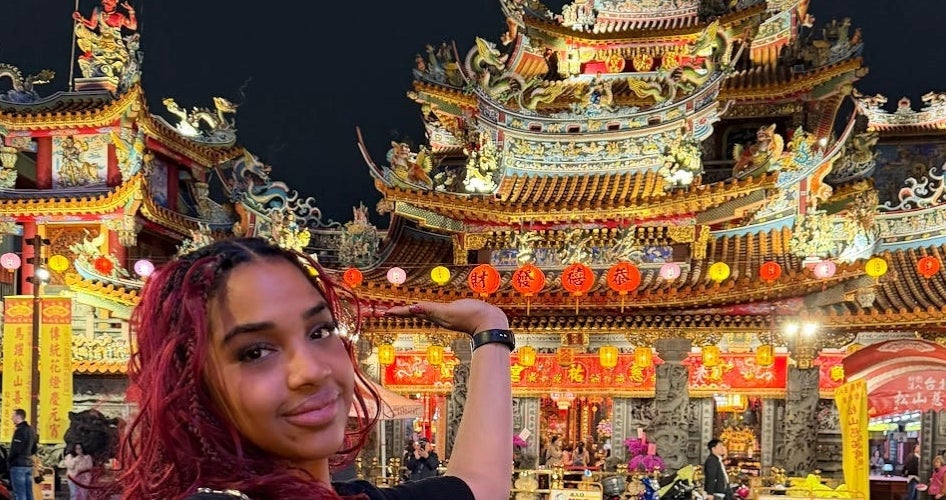
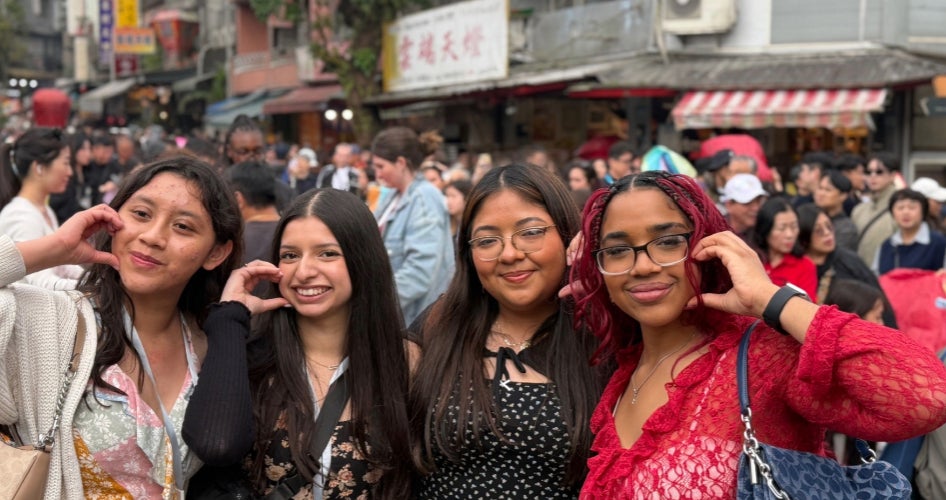
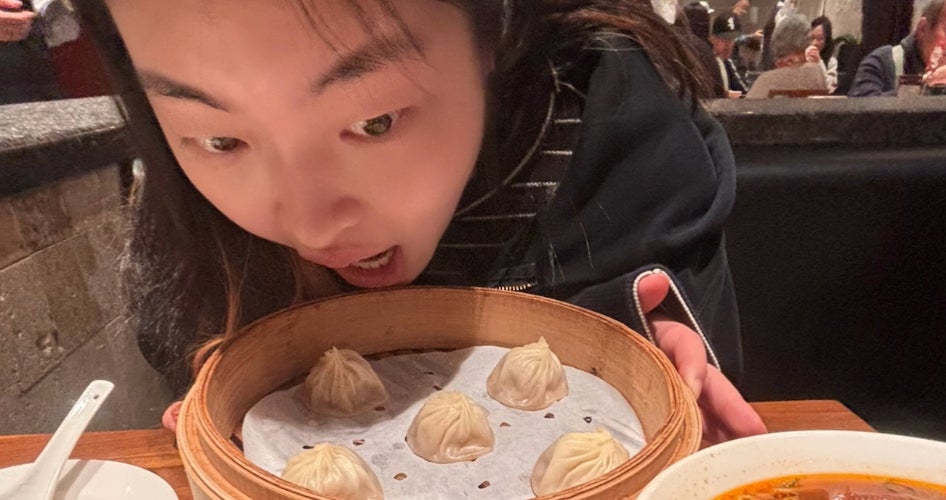
Beyond healthcare, the students built connections with each other and with Taiwanese peers. Through a buddy system with local students, they explored night markets, shared meals and formed friendships that extended beyond the classroom.
Trip participant and nursing student Sheena Wang said those relationships were a defining part of the experience.
“My favorite part of the trip was interacting with the Taiwanese students and overall making new friendships—and eating good food while I was at it!” she said.
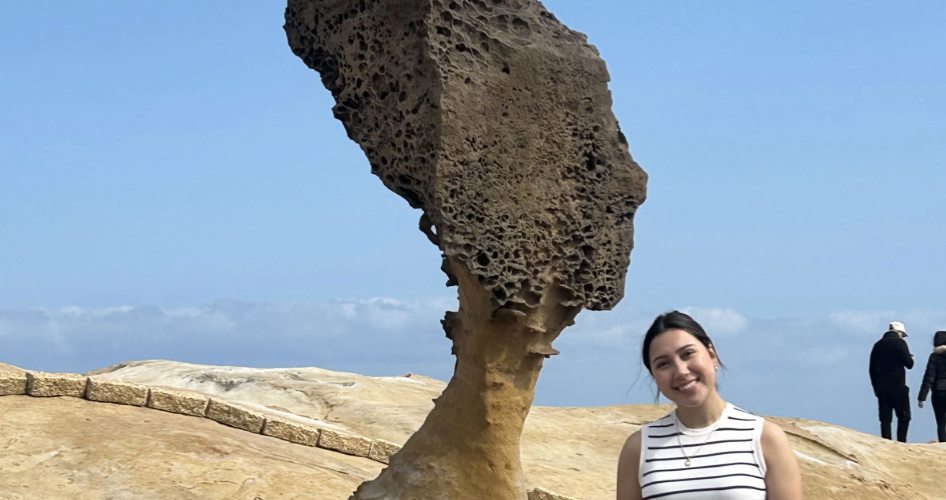
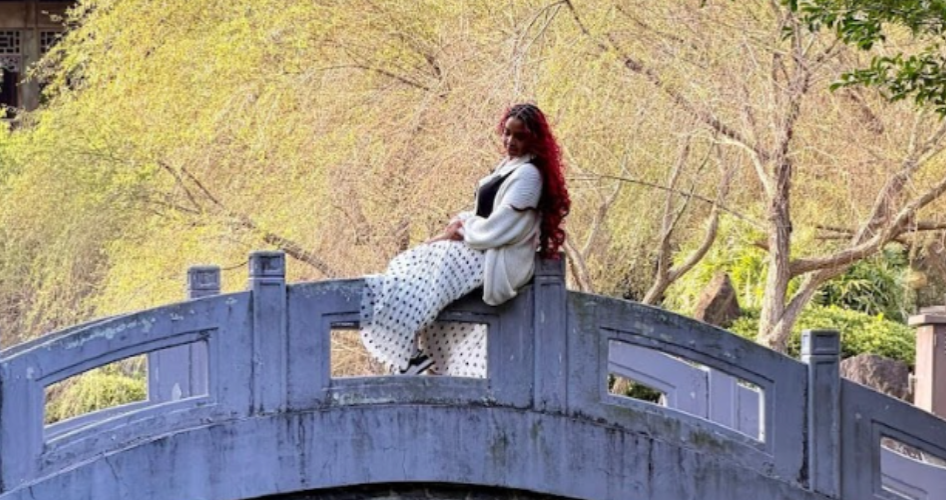
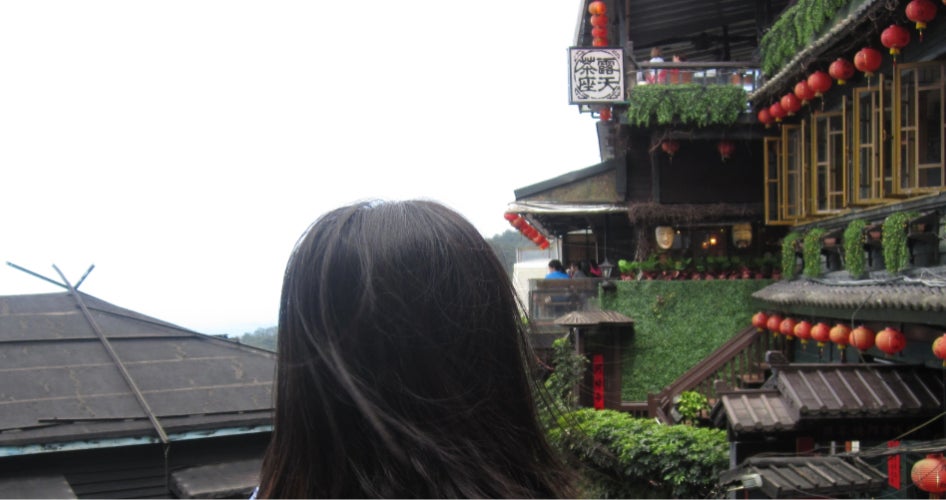
Cultural immersion culminated in a full-day excursion outside Taipei, where students visited coastal landmarks, historic towns and temples—outings that captured the spirit of the entire trip.
“Ending the day by releasing a lantern with my friends, while reflecting on our hopes and intentions, was a beautiful and meaningful experience,” Cortes said.
For Lindell, one of the most rewarding parts of the trip was watching students grow, both academically and personally.
“Some students had never traveled internationally before,” she noted. “To see their excitement, their curiosity and the way they engaged with people was incredibly rewarding.”
That transformation is just one more thing that makes the trip such a valuable opportunity. By stepping outside their comfort zones, students gain insights that can’t be taught in a classroom alone. For Ozuna Blanco, the unique experience was a once-in-a-lifetime opportunity for growth—and adventure.
“When will I ever be 21 in Taiwan exploring healthcare for a week again?” she said.