

release

April 27, 2022
Case Western Reserve University and University Hospitals team identifies receptor that shows how appetite and body weight are regulated Metabolic syndrome increases a person’s risk for diabetes, heart disease, and stroke, and includes conditions such as obesity, high blood pressure and high blood…

April 26, 2022
Award-winning author to present at university’s fall convocation The Fortunes, wrote book critic Michael Schaub in his 2016 review for NPR, “is a stunning look at what it means to be Chinese, what it means to be American and what it means to be a person navigating the strands of identity, the…
April 25, 2022
Matthew Lester, vice dean of finance and administration, has been recognized by Crain's Cleveland for his accomplishments as a finance leader in Northeastern Ohio. As vice dean for finance and administration, he oversees a $350 million operating budget while being responsible for the long- and…
April 21, 2022
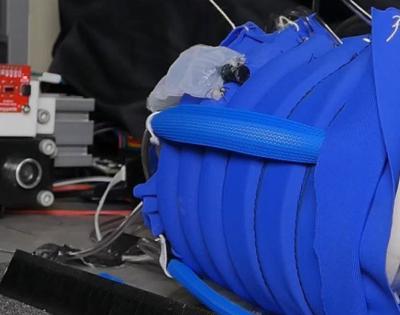
Case Western Reserve University biorobotics pioneers Hillel Chiel and Roger Quinn join scientist alum Vickie Webster-Wood from Carnegie Mellon on new project Two Case Western Reserve University (CWRU) biorobotic pioneers are working with a Carnegie Mellon University colleague (and CWRU triple…
April 20, 2022
Researchers influence white blood cells, called macrophages, to slow or reverse disease progression Cancer researchers at Case Western Reserve University School of Medicine say they have successfully suppressed the growth of some solid tumors in research models by manipulating immune cells known…

April 20, 2022
Researchers influence white blood cells, called macrophages, to slow or reverse disease progression Cancer researchers at Case Western Reserve University School of Medicine say they have successfully suppressed the growth of some solid tumors in research models by manipulating immune cells known…
April 14, 2022
Findings support restored memory function by as much as 50% About 11% of the U.S. population 65 and older has been diagnosed with Alzheimer’s disease (AD), the most common form of dementia that results in memory loss and cognitive impairment, according to the Alzheimer’s Association. And the…
April 14, 2022
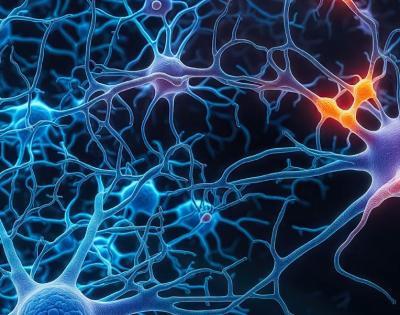
Findings support restored memory function by as much as 50% About 11% of the U.S. population 65 and older has been diagnosed with Alzheimer’s disease (AD), the most common form of dementia that results in memory loss and cognitive impairment, according to the Alzheimer’s Association. And the…
April 13, 2022
About 5,000 children and teens in the United States are diagnosed with type 2 diabetes each year, and the rate is increasing about 5% annually, putting thousands of children at risk for diabetic kidney disease (DKD). While DKD is still considered relatively rare in children, Katherine Kutney, an…
April 13, 2022
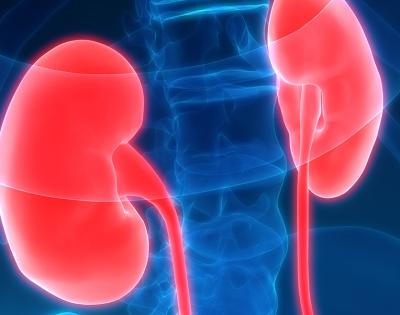
About 5,000 children and teens in the United States are diagnosed with type 2 diabetes each year, and the rate is increasing about 5% annually, putting thousands of children at risk for diabetic kidney disease (DKD). While DKD is still considered relatively rare in children, Katherine Kutney, an…