

release
May 16, 2025
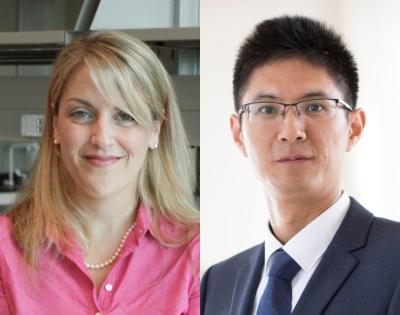
As undergraduate students navigate their academic journeys, many come to find mentors who are crucial to providing the guidance, support and encouragement they need for success. These relationships enrich the student experience, not only contributing to higher retention rates but nurturing overall…
April 30, 2025
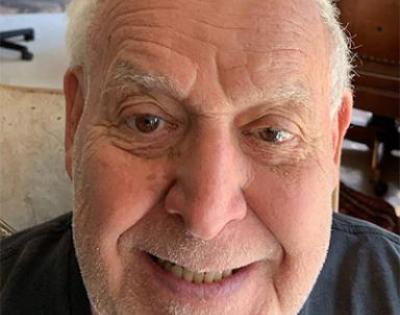
To our School of Medicine community, Last week I shared Ron Przbylski, PhD, emeritus associate professor in the Case Western Reserve University Department of Anatomy, died Saturday, April 19, at 89 years old. Today, I share insights from his CWRU colleagues. Ron dedicated 58…
April 22, 2025
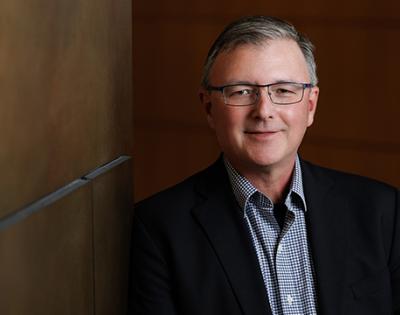
To our School of Medicine community, On behalf of Case Western Reserve University School of Medicine, I am delighted to announce the appointment of Peter Hovmand as director of the Center for Community Health Integration. Peter Hovmand, the Pamela B. Davis MD PhD Professor of Medicine, is an…
April 17, 2025
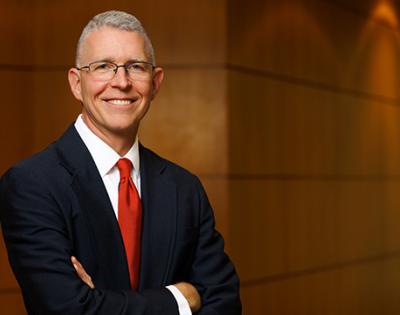
To our School of Medicine community, On behalf of Case Western Reserve University School of Medicine, I am delighted to announce the appointment of Darin Croft as chair for the Department of Anatomy. I want to thank Clifford Harding for being interim chair for the Department of Anatomy for so…
April 16, 2025
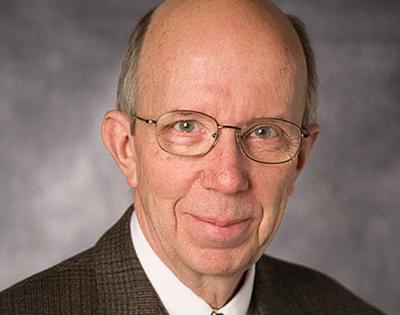
To our School of Medicine community, I am writing to share the sad news that Case Western Reserve University longtime professor, endocrinologist and researcher, Douglas Kerr, MD, PhD (MED ‘65, GRS ‘65), died Wednesday, April 2, at the age of 88. Dr. Kerr dedicated more than 40…
April 10, 2025
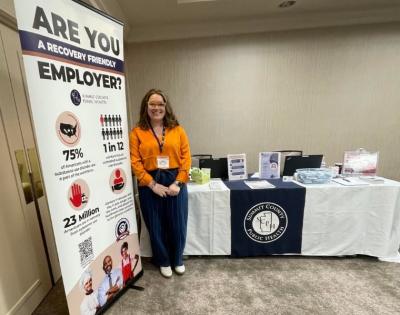
The American Public Health Association is marking the 30th anniversary of National Public Health Week, April 7–13. The Daily sat down with a School of Medicine Master of Public Health student whose work preventing overdoses earned statewide attention. For Maggie Urban-Waala, the fight against…

April 08, 2025
Upcoming ‘AI and the Future of Work Symposium’ to explore transformative impact of artificial intelligence on industry
April 08, 2025
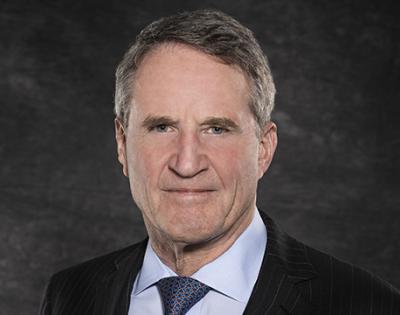
The School of Medicine is delighted to announce that alumnus and renowned cardiothoracic surgeon and leader Craig R. Smith (MED ‘77) will be the 2025 School of Medicine diploma ceremony speaker on Sunday, May 18, at Severance Music Center. Smith serves as the chair of the Department of Surgery at…
April 03, 2025
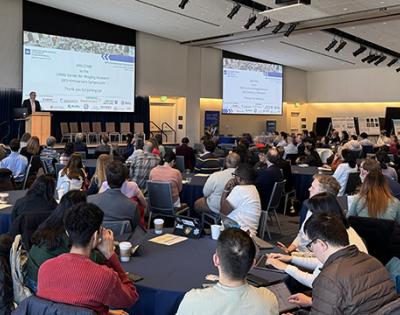
Case Western Reserve University's Center for Imaging Research (CCIR) celebrated its 20th Anniversary with a symposium April 1–2. The event reflected on two decades of achievements in imaging research and looked ahead to the future. Nearly 200 attendees from Northeast Ohio and nationwide…
March 26, 2025
Research discovery could lead to new targets for cancer therapy, neurodegenerative diseases The body’s cells respond to stress—toxins, mutations, starvation or other assaults—by pausing normal functions to focus on conserving energy, repairing damaged components and boosting defenses. If the…