

release

October 29, 2019
Deadline to enter the third annual Morgenthaler-Pavey Startup Competition is Nov. 22 Startup companies grow. So do startup contests. This year, the Morgenthaler-Pavey Startup Competition (MPSC)—Case Western Reserve University’s marquee pitch contest—has added a generous new facet for finalists:…
October 29, 2019
New research at Case Western Reserve University could help better determine which patients diagnosed with the pre-malignant breast cancer commonly referred to as stage 0 are likely to progress to invasive breast cancer and therefore might benefit from additional therapy over and above surgery…
October 29, 2019
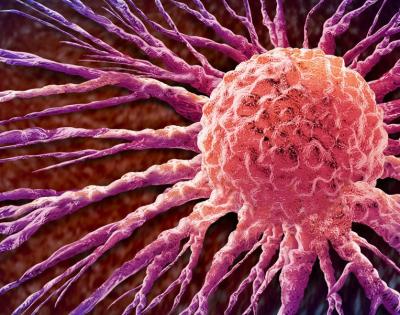
Case Western Reserve digital-imaging lab advances understanding of which ‘stage 0’ patients are most likely to progress to advanced cancer and may benefit from additional therapy New research at Case Western Reserve University could help better determine which patients diagnosed with the…
October 24, 2019
Since its founding in 2012, Harrington Discovery Institute—part of The Harrington Project for Discovery & Development—has supported more than 100 drugs-in-the-making across disease areas and academic institutions. Core to its mission, Harrington Discovery Institute recognizes and supports inventive…

October 23, 2019
Putting the brakes on
seniors’ driving privileges can leave them feeling socially isolated, according
to new research from Case Western Reserve University. The good news is researchers
believe alternative transportation options and technology—such as FaceTime or
Skype—may help seniors feel more…
October 22, 2019
Scientists have known that bacteria in the gut, along with environmental and genetic factors, contribute to the debilitating intestinal ailment of Crohn’s disease (CD). But in 2016, Mahmoud A Ghannoum, professor and director of the Center for Medical Mycology at Case Western Reserve University…

October 22, 2019
Case Western Reserve hosts “Artificial Intelligence in Oncology” conference Oct. 24 to look at new technology, economics, ethics and role of machines in medicine Artificial Intelligence (AI), machine learning and smart computing are all rapidly transforming the global health and medical landscape,…

October 16, 2019
U.S. Department of Defense awards $800,000 to Case Western Reserve for spinal cord injury research People
who live with spinal injuries often say that the first year of recovery is the
toughest—not only for them, but their caregivers as well. But
researchers and the people struggling with the…

October 16, 2019
New technology, jointly created by Case Western Reserve University and University Hospitals Cleveland Medical Center, offers a promising potential solution to women’s pelvic health disorders, including stress urinary incontinence and pelvic organ prolapse. That technology is the basis for a…
October 14, 2019
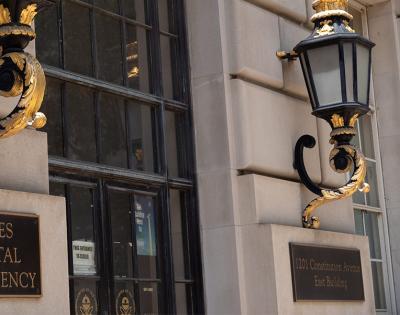
Wheeler, a CWRU alum, joins more than a dozen nationally recognized environmental, legal experts at Oct. 18 symposium Andrew Wheeler, administrator of the Environmental Protection Agency (EPA) and Case Western Reserve University alumnus, returns to campus as keynote speaker in a daylong symposium…