Taking Research on the Road: How Two Investigators Are Expanding Access Through the Mobile Research Unit
For many people, participating in a clinical research study isn't a matter of interest, it's a matter of access.
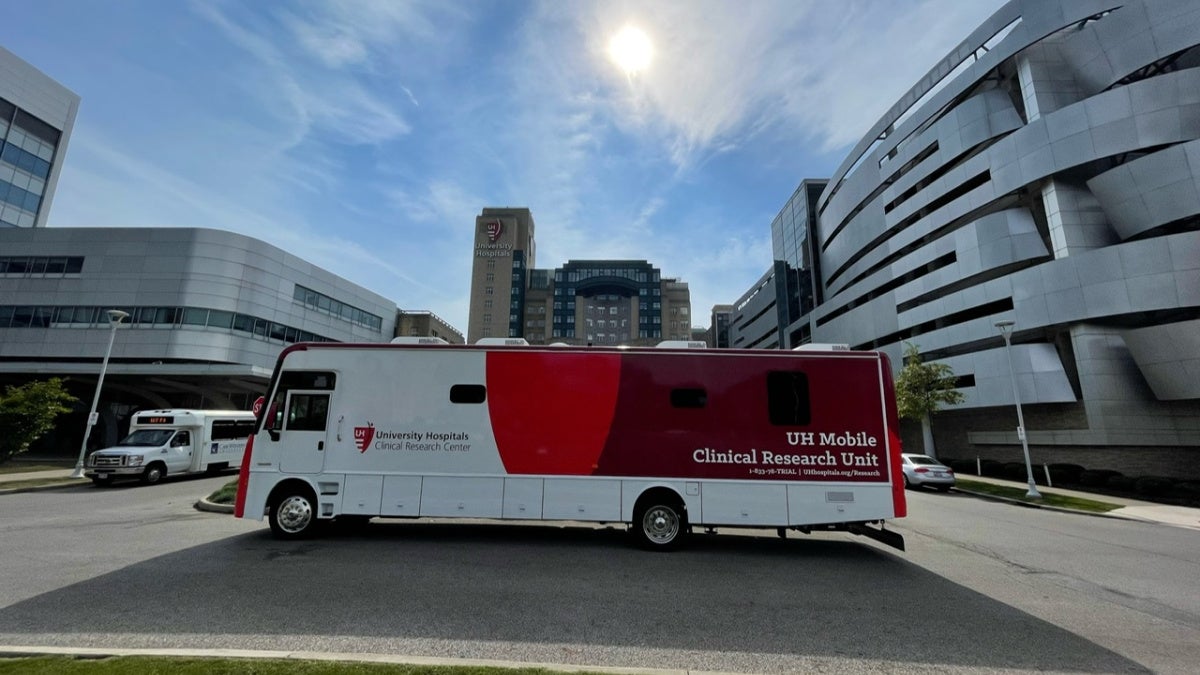
A long drive, limited transportation, work schedules, childcare responsibilities, or simply living far from an academic medical center can make research participation difficult. To help overcome these barriers, the University Hospitals Clinical Research Center launched the Mobile Research Unit (MRU), a 39-foot mobile clinic and laboratory that brings research directly into communities throughout Northern Ohio and beyond.
The MRU has supported studies ranging from community health initiatives to large-scale observational research projects. We spoke with two investigators who have leveraged the unit to reach participants where they live, work, and receive care. The unit supports investigator-initiated, industry-sponsored, and NIH-funded studies and is available to CTSC members across all partner institutions.
Grace McComsey, MD, FIDSA
Principal Investigator, CTSC of Northern Ohio
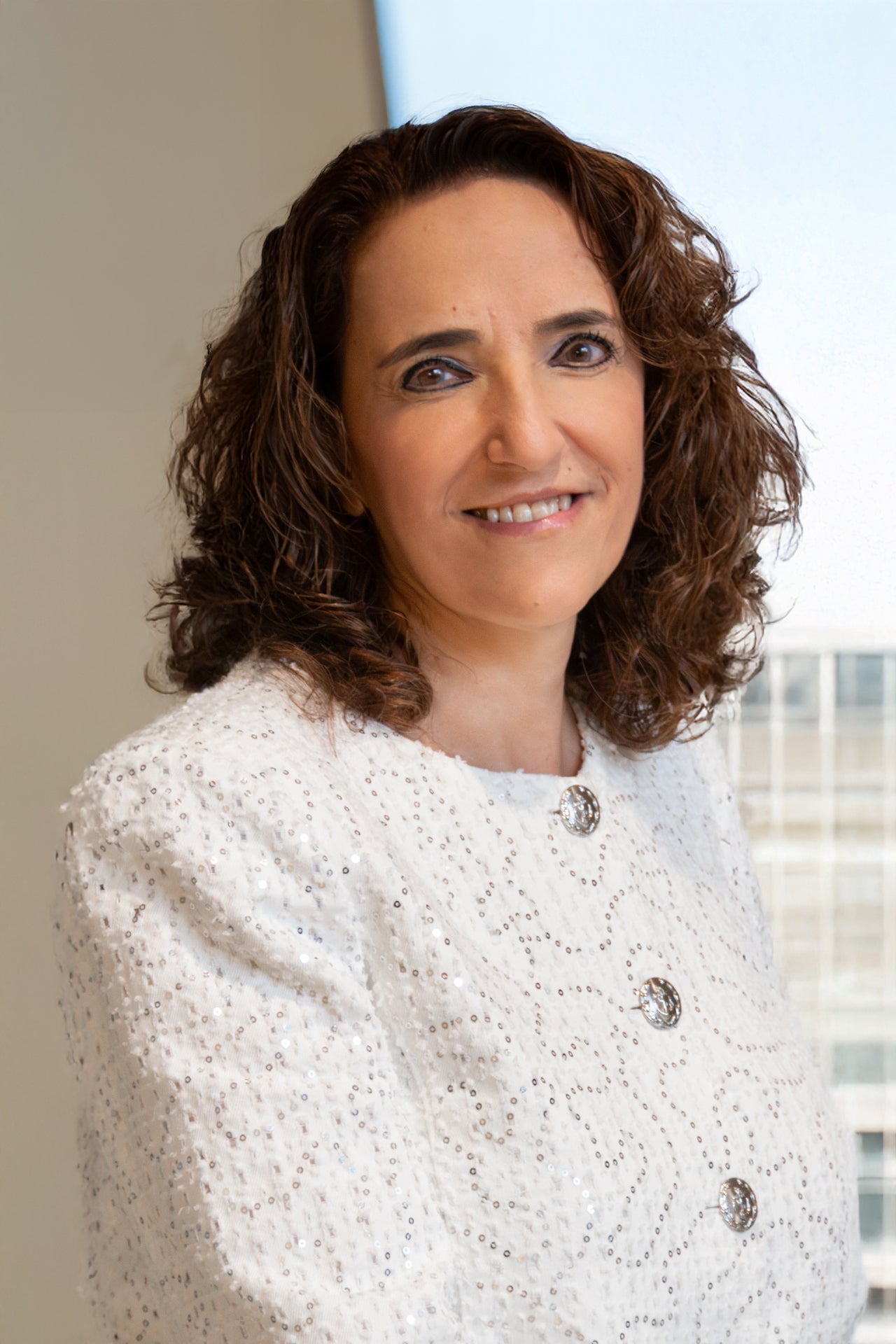
For Grace McComsey, MD, FIDSA, bringing research into the community was both a practical solution and an opportunity to engage populations that are often overlooked in clinical research.
"My motivation for using the Mobile Clinical Research Unit stemmed from two primary goals," McComsey explained. "First, I wanted to reach communities that are geographically distant from our main campus, especially those who might otherwise have difficulty accessing clinical research opportunities."
That goal became particularly important during an observational study that enrolled more than 1,200 participants. By utilizing the MRU, McComsey's team was able to engage rural communities and recruit participants from populations that are frequently underrepresented in research.
"The MRU was instrumental in overcoming the logistical and geographic barriers faced by rural communities," she said. "Many residents would need to drive two or more hours to reach a medical center, which often discourages participation. By bringing the unit to them, we made it convenient and comfortable for people to engage with our studies."
Beyond recruitment, McComsey found that the unit helped build stronger relationships with community members.
"It showed that we genuinely care about including them in research," she said. "That fosters goodwill, strengthens community relationships, and encourages ongoing participation."
Looking back, the experience changed the way she thinks about community-based research.
"It demonstrated that convenience and accessibility are key to successful community engagement," McComsey said. "Research in rural communities is not only possible but highly effective when barriers are removed."
Betul Hatipoglu, MD
Medical Director, University Hospitals Diabetes & Metabolic Care Center
For Betul Hatipoglu, MD, the Mobile Research Unit complemented an existing mission of empowering individuals living with diabetes, prediabetes, and obesity through education, support, and evidence-based care.
"One of my primary motivations for using the Mobile Clinical Research Unit was to eliminate barriers to participation and bring our person-centered approach directly into the community," Hatipoglu said.
Through free Diabetes & Metabolic Care Wellness Retreats and community-based research initiatives, Hatipoglu and her team have partnered with local organizations, faith-based groups, and neighborhood centers to connect with people where they already feel comfortable and supported.
"By incorporating the Mobile Clinical Research Unit into both our retreats and research projects, we are able to genuinely meet people where they are," she said. "This approach helps us build trust, encourage participation, and lay the groundwork for future research collaborations."
The mobile unit has also created new opportunities to engage community partners and reach individuals who might never learn about research opportunities through traditional channels.
"The mobile unit's presence in the community has allowed us to participate in local events and collaborate on outreach efforts tailored to the unique needs of each community," Hatipoglu said. "This approach has not only increased participation in our retreats and research studies, but has also strengthened our relationships with community leaders and organizations."
For Hatipoglu, the impact extends beyond individual studies.
"The mobile approach has reinforced my belief that successful research and effective care begin with listening to and partnering with the community," she said.
Bringing Research Closer to Participants
Whether supporting large-scale observational studies in rural Ohio or helping connect community members to health education and research opportunities, the Mobile Research Unit is helping investigators remove barriers to participation and build stronger community partnerships.
The MRU is available to investigators across the CTSC of Northern Ohio partner institutions and can support participant recruitment, study visits, specimen collection and processing, decentralized research approaches, and community-engaged research initiatives.
Researchers interested in learning how the Mobile Research Unit can support their work are encouraged to request a free consultation through SPARC. During the consultation, CTSC experts can help determine whether the MRU and other CTSC resources may be appropriate for a study and identify potential funding opportunities to support implementation.
To learn more, submit a consultation request through the CTSC service request system, SPARC or email Jerry Tribout, CTSC Research Participant Recruitment Manager and explore how bringing research directly to the community can expand the reach and impact of your work.