$2 million gift aims to support emerging cancer researchers at Case Western Reserve University
New endowment from Linda Leatherbury will honor the memory of her late husband and support PhD students conducting research at Case Comprehensive Cancer Center
Case Western Reserve University has received a $2 million gift that will provide financial and mentoring support for first-year PhD students conducting research at Case Comprehensive Cancer Center (Case CCC), a National Cancer Institute-designated comprehensive cancer center that includes CWRU, Cleveland Clinic and University Hospitals.
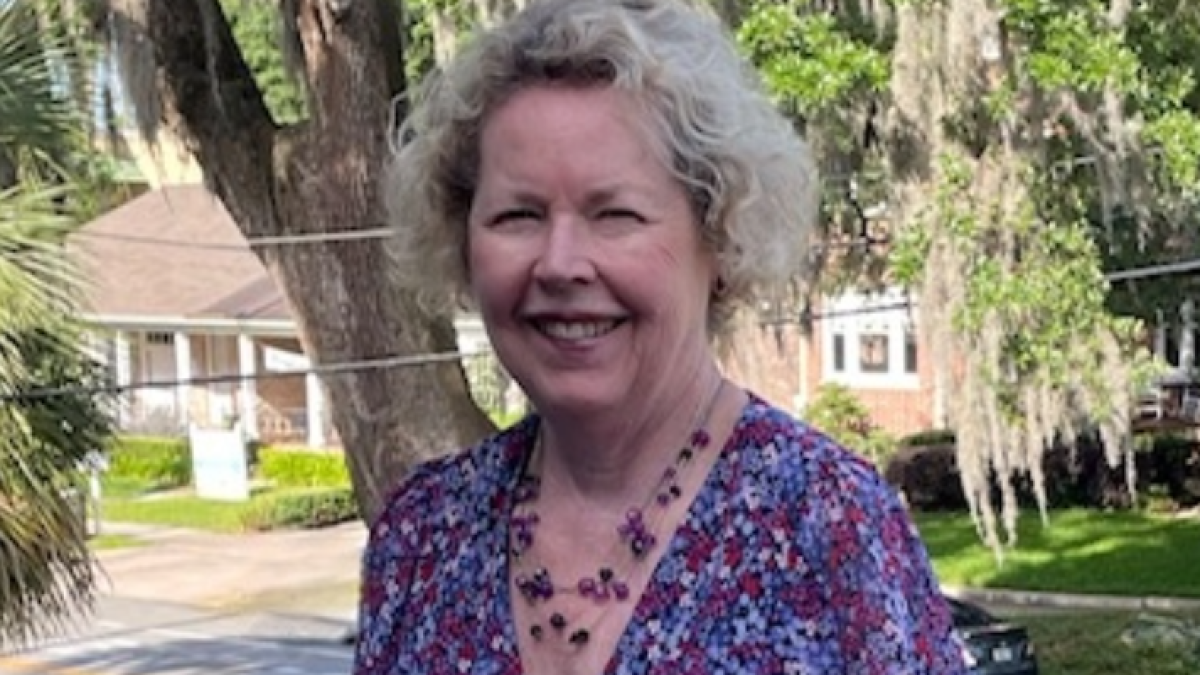
The gift from Linda Leatherbury—made in memory of her late husband, Victor Cheloliber, MD, an internal medicine physician and advocate for cancer research—will establish the Cheloliber-Leatherbury Doctoral Student Scholars Endowment. It will also support the future development of a dedicated PhD program in cancer through the School of Medicine—developed by the Case CCC Office of Cancer Training and Education, led by associate director Jason Mears, PhD and assistant director Damian Junk, PhD.
“Linda understands that access to funding and mentoring at the start of PhD students’ training makes a critical difference,” said Case Western Reserve University President Eric W. Kaler. “This gift will positively impact their experiences and outcomes, as well as cancer research at the Case Comprehensive Cancer Center for years to come.”
This commitment provides vital financial support for doctoral students during the pivotal first year—a period when funding is often uncertain—solidifying Case CCC’s standing as a top destination for promising scientific minds. This strategic investment fills a critical gap in early-stage research funding, creating a bridge to grant funding throughout their doctoral training.
“Linda’s generous commitment will support development and implementation of a proposed cancer-focused PhD training program at Case Comprehensive Cancer Center,” said Gary Schwartz, MD, director of Case Comprehensive Cancer Center. “The initiative is intended to expand advanced doctoral training opportunities and help strengthen the pipeline of cancer researchers, including by reducing financial barriers for trainees.”
A legacy of advocacy and hope
For Leatherbury, the commitment is a tribute to the mission she shared with Cheloliber, who became a passionate advocate for oncology research after losing his first wife to breast cancer. He viewed Case CCC as a “force of unparalleled importance,” Leatherbury recalled.
Leatherbury, a former marketing executive and entrepreneur, continues to champion that force today through her active service on the Case Cancer Council. Composed of community members who share a dedication to supporting cancer research, the group meets several times a year to strategize on ways to increase awareness of the center’s research priorities. By serving on the council, Leatherbury lends her professional expertise to help drive the mission of securing much-needed private funding for future discoveries.
As a melanoma survivor, Leatherbury shares this urgency. And, having lost her grandfather to lymphoma and her best friend to breast cancer, she views the endowment—and her ongoing leadership on the council—as a practical weapon against the disease.
“Cancer is a scourge, and I am so hopeful that it can be stopped,” she said. “Case Western Reserve has the knowledge and talent to do that.”
Investing in "limitless potential"
The Cheloliber-Leatherbury Student Scholars Endowment will not only provide financial stability for first-year PhD students, but also foster a formal community of scholars based on academic excellence, teamwork and service. This peer-mentorship network will support them throughout their careers.
“I know these students have limitless potential,” Leatherbury said. “I am happy to make an investment that keeps the path to discovery open for those dedicated to ending cancer.”