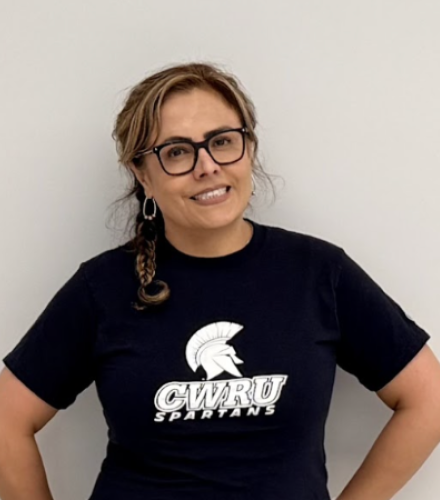
5 questions with Mandel's Edith Cabrera, Class of 2026
For students at Case Western Reserve University Jack, Joseph and Morton Mandel School of Applied Social Sciences, graduation marks more than the end of a degree—it reflects years of learning, growth and a deep commitment to making a difference. Through coursework, field education and hands-on experiences, students build the skills and perspective needed to lead with empathy and create meaningful change in the communities they serve.
As the Class of 2026 prepares to take its next steps, graduates are looking to put their education to use in social work, law, community advocacy and beyond. We spoke with several members of this year’s graduating class about their time at Mandel, the lessons that shaped them and what they hope to carry forward into the future.
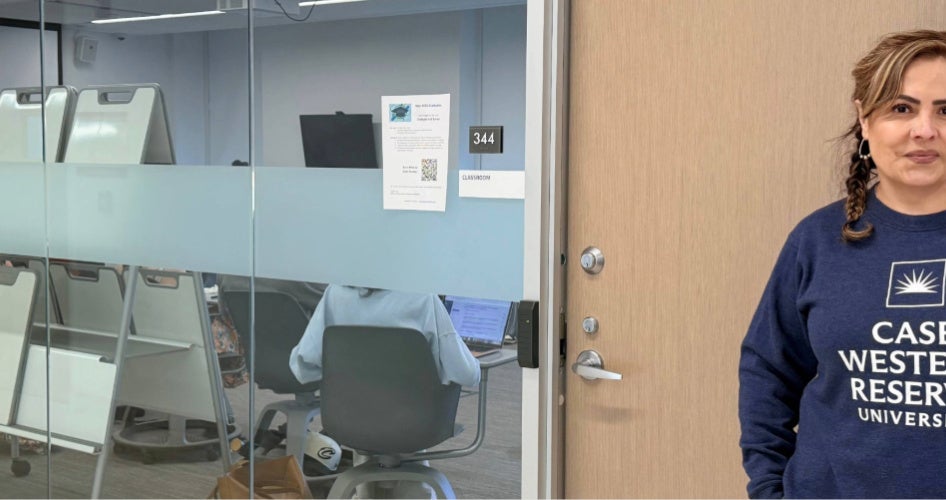
Read on to learn about Edith Cabrera, a Guadalajara, Mexico native and Master of Social Work (MSW) student with a focus in integrated health and wellness.
Answers have been lightly edited.
1. What initially drew you to CWRU?
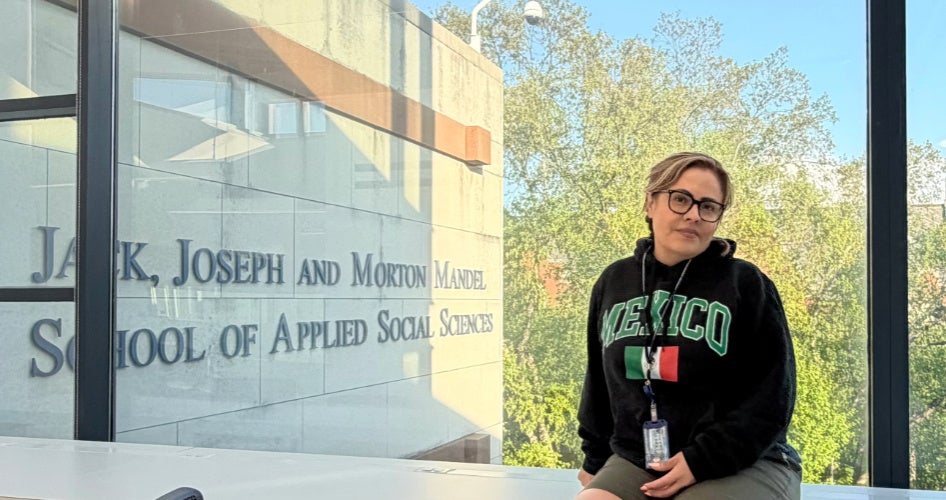
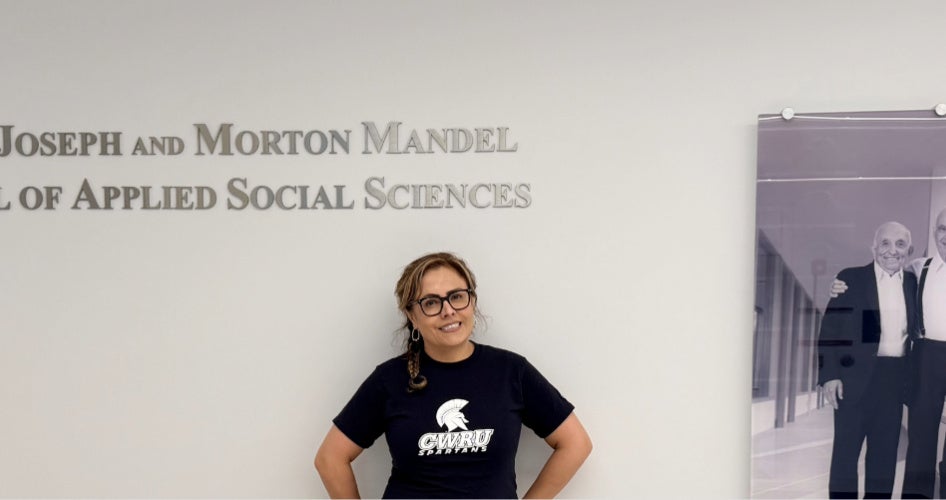
My path to Case Western Reserve University is both personal and purposeful. As an immigrant and first-generation college student, I have experienced the realities of adversity and the power of support systems firsthand. I came to CWRU—and the Mandel School of Applied Social Sciences—because I wanted more than education; I wanted preparation to create real change. My journey began as a Mandel Scholar at Cuyahoga Community College (Tri-C), where I discovered that leadership means uplifting others, especially those navigating trauma and systemic barriers. That experience shaped my calling. I knew that to truly serve, I needed rigorous, evidence-based training grounded in compassion and equity. CWRU offered exactly that: a place to grow into the kind of clinician and advocate our communities need right now.
2. What course or campus experience shaped your education most?
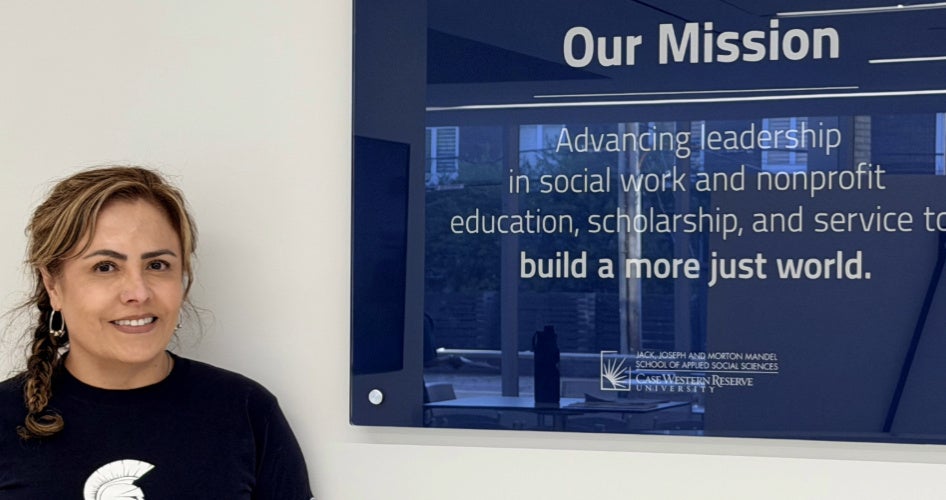
It wasn’t a single course; it was the Mandel School’s mission that shaped me. My journey reflects a full-circle moment: from Mandel Scholar at Tri-C, to continuing scholar at the Mandel Honors College, to now completing my graduate education at the Mandel School. Through that journey, I learned that being a social worker is not just about what you know—it’s about how you show up. Even while balancing full-time work, family responsibilities and academic demands, the values of leadership, resilience and service remained my foundation. I often say, “once a Mandel Scholar, forever a Mandel Scholar.” For me, that means a lifelong commitment to leading with purpose, integrity and compassion.
3. What is your favorite memory as a student at CWRU?
My favorite memory is my first week of classes. I remember walking into the classroom and immediately feeling the energy—being surrounded by individuals who were not only passionate about learning but deeply committed to making a difference. In that moment, I felt something powerful: belonging. After everything it took to get there, I knew I was exactly where I was meant to be.
4. What’s next for you after graduation?
After graduation, I will pursue my independent clinical social worker (LISW) licensure. This step represents more than professional growth—it is part of a broader vision. I am committed to providing trauma-informed, culturally responsive care and expanding access to mental health services for underserved communities. Long-term, I hope to contribute to meaningful systems change that promotes healing, equity, and opportunity.
5. What advice would you give to new students in your program?
Stay grounded in your “why.” There will be moments when the journey feels overwhelming, but your purpose will carry you through. Surround yourself with people who uplift and challenge you, and don’t be afraid to grow through discomfort. Most importantly, never underestimate the power of your story. Your lived experiences are not barriers—they are strengths that will shape you into the kind of social worker our communities need.