
5 questions with School of Law’s Xi Chen, Class of 2026
As graduation approaches at Case Western Reserve University School of Law, students look back on the experiences that shaped their time on campus—and ahead to the paths they’re about to begin. From discovering their academic interests to gaining hands-on experience through clinics, competitions and internships, each journey reflects a balance of rigorous training and real-world application.
In this interview, Xi Chen shares what drew her to CWRU, the moments that defined her legal education and the lessons she’ll carry with her into the profession.
Answers have been lightly edited.
What initially drew you to CWRU?
I was initially drawn to CWRU Law because of the Justice Joseph Story IP Law Fellowship, a selective program that offered both meaningful financial support and an early opportunity to engage in research. This fellowship created a strong foundation for engaging with legal scholarship and thinking more critically about how law interacts with technology.
What course or campus experience shaped your education most?
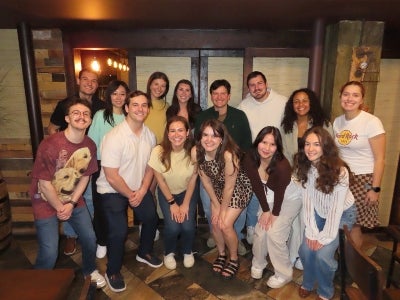
Serving as symposium editor for the Case Western Reserve Journal of Law, Technology, and the Internet was the most formative experience of my time at CWRU School of Law. Organizing the annual symposium required not only coordination but also the ability to define a coherent intellectual direction and bring together perspectives across academia and practice. It strengthened my leadership skills, sharpened my ability to manage complex projects and gave me the opportunity to engage directly with conversations at the forefront of technology law.
What is your favorite memory as a student at CWRU?
My most meaningful moments at CWRU were when sustained effort translated into tangible outcomes—especially in areas I had intentionally chosen to invest in, whether in academic work or professional settings. Those moments reinforced for me the value of investing in work that genuinely aligns with my interests and being deliberate about where I direct my time and energy. They made my law school experience both rewarding and purposeful.
What's next for you after graduation?
I will return to the east coast where I spent several years prior to coming to Cleveland. I will be clerking for two judges, which I see as an opportunity to further develop my legal reasoning and engage more deeply with judicial decision-making.
What advice would you give to new students in your program?
Law school is a continuous process of navigating new challenges—academically, professionally and personally. Being prepared for that reality from the very beginning makes a meaningful difference. It is important to stay grounded in your original purpose. Having a clear sense of why you chose this path will help you remain steady, even when things become difficult or uncertain. Without that, it is easy to get pulled in too many directions that may not ultimately matter to you.
At the same time, take your well-being seriously. Sustaining your mental and physical health is not optional; instead, it is what allows you to keep going.
Finally, be someone who is professional, respectful and genuinely kind. Your work matters, but how you treat others and how you carry yourself will define your reputation in the long run.