A Conversation with Alumni Association President Nancy Wagner
How a Doctor of Nursing Practice degree from CWRU impacted her nursing career
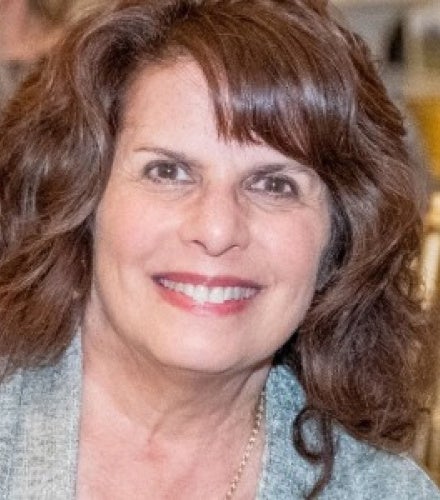
For Nancy H. Wagner (NUR ’09), DNP, RN, CNE, earning her Doctor of Nursing Practice from Frances Payne Bolton School of Nursing served as a pivotal milestone that reshaped her path within nursing education and leadership. For more than 25 years, Wagner served as a driving force in nursing education at Youngstown State University (YSU)—leading the Centofanti School of Nursing through landmark accreditations, establishing state-of-the-art facilities like the John and Dorothy Masternick Nursing Simulation Lab and launching YSU’s DNP program for nurse anesthesia. Honored as the inaugural President James P. Tressel Endowed Chair in Leadership, she built on a transformative academic career that followed 15 years of dedicated clinical practice, including over a decade treating children with cystic fibrosis at Cincinnati Children’s Hospital.
Though now retired from her role as the School of Nursing director and professor at YSU, Wagner’s commitment to advancing the profession and giving back to Case Western Reserve remains as active as ever. As president of the Frances Payne Bolton School of Nursing Alumni Association, she leverages her CWRU foundation to champion global educational partnerships, mentor emerging nurse leaders and support the school’s continued growth in research and advocacy.
Learn more about Wagner's reflections on her decorated career, her time at CWRU and her vision for the future of healthcare.
How has your CWRU education impacted your career?
My Doctor of Nursing Practice (DNP) degree from the Frances Payne Bolton School of Nursing at Case Western Reserve University positively impacted my leadership trajectory in nursing education and nursing overall. In addition to my long-term faculty role, I became the director of the Youngstown State University Centofanti School of Nursing—a large school with robust undergraduate and graduate programs (BSN, MSN and DNP). The doctoral degree opened opportunities in advocacy, research and project teamwork, along with participation in professional and community change and effectiveness.
The growth of education, research, leadership initiatives and international partnerships at the Frances Payne Bolton School of Nursing is impressive and exciting. I was pleased to become involved with the Alumni Association as a member and eventually step into the leadership role as president.
Beyond professional titles, what does a meaningful career look like to you?
If a career choice is long-term and meaningful, one needs to be happy with their decision. However, unlike the limited nursing roles from the past, nurses today have many opportunities to utilize their degrees and expertise in many venues, including advanced practice, business, research and innovation. I have told students that it is OK to move to another career path if the current one is not meaningful—the skills, problem-solving abilities and critical thinking you develop will continue to serve you well.
I’m proud to continue my meaningful career over many years, not only as an educator and a leader, but as a volunteer advocate who has input in schools of nursing and organizations within the U.S. and internationally. I am currently the co-chair of the Hadassah Nurses Resource Committee. Hadassah is an organization in the United States and Israel that supports the Henrietta Szold Hadassah Hebrew University School of Nursing and two major medical centers in Jerusalem—all of which serve diverse populations. Working with faculty and administration to maintain and increase excellence while providing opportunities for collaboration in the U.S. has been deeply rewarding.
What is the one breakthrough or shift in nursing that excites you most for the next decade?
The explosion of AI and innovation in nursing is exciting, yet it causes a bit of apprehension because we deal directly with human life. As nurses, it is critical to hold onto humanism and caring while we discover new and innovative ways to practice. Collaborative research with other professions has opened new ideas and strategies for improved care across individuals, families and communities.
It is also exciting to see our nurses of the future advocate for safe nursing care in all clinical settings and show their passion for social issues—including better housing, food security and healthy learning environments for children of all ages.
What inspired you to become a nurse?
I made the decision to become a nurse when I was in high school after volunteering with my school and youth group in local hospitals and communities. I quickly found my passion as a pediatric nurse and spent over 12 years at Cincinnati Children’s Hospital as a clinical nurse specialist on a team caring for children with cystic fibrosis and their families. Navigating serious childhood illness was emotionally difficult, but over time, it became incredibly rewarding to celebrate the small successes while providing happy moments and extended family time.
Later, I found that same passion as a nursing educator, impacting the lives of hundreds of students as they began and advanced their nursing careers. I continue to take immense pride in their skill, dedication and leadership.
Can you share a moment where you faced a significant challenge and how your CWRU foundation helped you?
During the COVID-19 pandemic, our YSU faculty and students provided vaccines to faculty, students and university families. This opportunity was vital, though it presented immense logistical and emotional challenges—including working with local health departments and coordinating schedules for over 600 students. In the DNP program at FPB, learning and discussing systems theory, delegation, interprofessional collaboration and overall leadership provided me with the advanced skill set necessary to lead effectively during an unprecedented time.