A CWRU alum is speeding up infection testing
After studying the limits of blood cultures, Pavan Kota (CWR ’17) built a company designed to deliver results in hours instead of days
When a patient arrives at the hospital with signs of a serious infection, doctors often have to begin treatment before they have a definitive diagnosis. The standard test—known as a blood culture—can take days to return results and still miss more than half of invasive infections.
In the meantime, doctors often rely on broad-spectrum antibiotics while they wait for clearer answers.
Pavan Kota, PhD (CWR ’17) spent years in the lab studying that problem—and eventually decided to build a better solution.
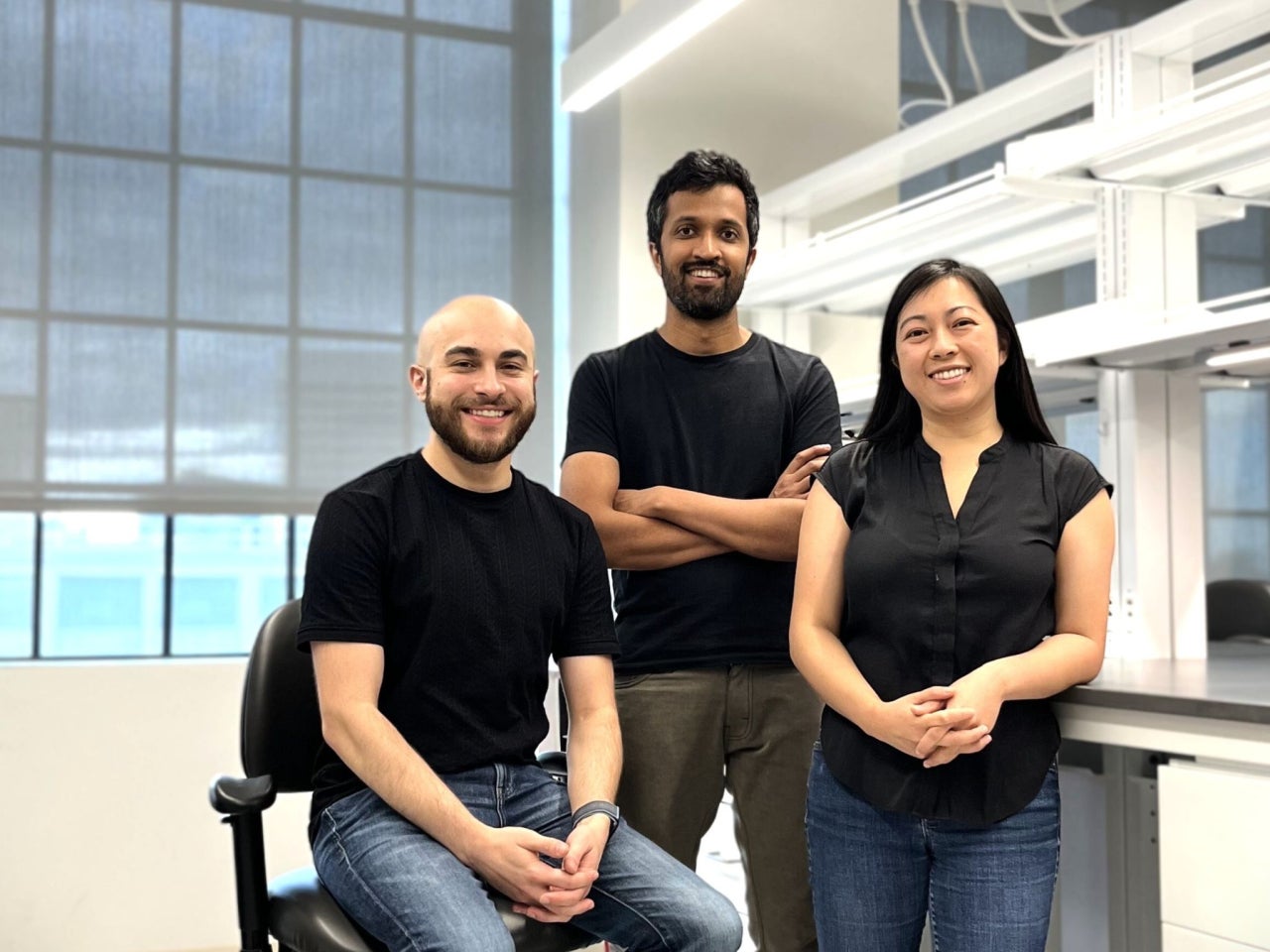
His Cambridge, Massachusetts-based startup, Anvil Diagnostics, uses proprietary algorithms and DNA-sensing technology to identify hundreds of pathogens in a matter of hours. The system runs on existing PCR machines—devices that detect genetic material and are already standard equipment in most hospitals.
Anvil Diagnostics is a portfolio company of the CWRU Alumni Venture Fund—run by the Veale Institute of Entrepreneurship—which offers the opportunity for students to invest philanthropic dollars into CWRU-affiliated startups.
“In my last couple of years at Case Western Reserve [University], I became very interested in startups,” said Kota, who majored in biomedical engineering at the Case School of Engineering. “I took part in pitch and business plan competitions and went to entrepreneurial events. It kept me engaged in a way I really valued.”
At CWRU, Kota got his first taste of what it looks like to bring a research idea to market.
He worked with Apollo Medical Devices, a medical device spinout founded by CWRU entrepreneur Punkaj Ahuja (CWR ’09, GRS ’11, biomedical engineering), who today serves as an advisor to Anvil. That experience planted an idea that would take years to fully take root.
After graduating, Kota pursued a doctorate in bioengineering at Rice University, where supportive advisors gave him room to follow his research wherever it led. The pandemic, unexpectedly, became a turning point.
With lab access restricted, Kota and his team asked whether they could demonstrate their core technology on existing equipment—a question that would eventually become the foundation of Anvil’s entire approach.
He went on to receive an Activate Fellowship, a two-year program that supports scientists as they build companies around their research.
In the conversation below, Kota reflects on building Anvil Diagnostics, what he would do differently, and what he’d tell a CWRU student who wants to turn a research passion into a company.
Can you walk us through the journey that led you to start Anvil Diagnostics?
In my last couple of years at CWRU, I became very interested in startups. I took part in pitch and business plan competitions and went to entrepreneurial events. It kept me engaged in a way I really valued.
I went to grad school at Rice University to develop deep technical skills to become a technical founder. I wanted to bring my work in the lab as close as possible to clinical translation. As my research on detecting infections in patients started to accelerate, I noticed it could become a strong commercial opportunity.
During COVID, we weren’t allowed to do a lot in the labs, so we asked ourselves whether we could demonstrate our core technology on the digital PCR machine available in the lab next door. At first, I was just excited about the research paper we could write—but I gradually realized the business this could lead to.
How did your time at Case Western Reserve shape your path as a founder?
When I started at CWRU, I was majoring in biomedical engineering on the premed track. I quickly dropped the premed piece when I realized I connected more with the engineering side. CWRU offered undergraduate research opportunities, and I was quick to get into a lab. My PI was very supportive, and that encouraged me to continue in grad school.
At CWRU, I was also able to work with Apollo Medical Devices, a medical device spinout. That gave me early-stage startup experience and shaped my view that entrepreneurship could be a real path in the medical field. Punkaj Ahuja, the founder of that company, is now an advisor to Anvil—and he helped me understand that startups require a fundamentally different mindset than research. They’re development-based problems, tackled by a small team under constant pressure to move fast.
Looking back, what would you have done differently at Anvil’s beginning?
First, I would have pushed harder to collect more preclinical data while Anvil was still under the university ecosystem. Early potential investors asked questions I didn’t have data to answer—and collecting it wouldn’t have been a major lift while I still had access to Rice’s resources.
I would also have developed sector-specific mentors earlier. That could have helped me better define the milestones that attract successive rounds of funding. I gradually built my network through contacts at Rice and an accelerator program there—and many of my early advisors eventually became team members.
What do you love about building in the startup ecosystem?
Strangers help strangers.
When people have the time, they are often more than willing to offer free advice—and that spirit of collaboration plays a major role in helping founders succeed. I’ve had real success through cold LinkedIn outreach and have had exceptional conversations that led to introductions to exactly the right people.
One piece of advice: when you’re asking someone for their time, have a very specific ask. Vague outreach rarely gets a response.
Where is Anvil Diagnostics today, and what are you most excited about?
In building a startup, there are new obstacles every week—but I think it’s important to pause and recognize how far you’ve come.
Right now I’m celebrating our funding round closing, sending a beta test to initial hospitals, and a product launch that’s rapidly approaching. It’s important to see how far you’ve come before focusing on how far you have yet to go.
What do you want people to understand about Anvil’s approach?
We’re trying to flip the script on a typical diagnostics company. We’re not building new hardware—we’re improving hardware that already exists, using data science.
Raising capital to build new hardware and sell it into hospitals is an extremely difficult path. New hardware means major capital expense and workflow disruption. By taking the opposite approach, we’re not forcing new technology into a preexisting system—we’re creating something that sits on top of what’s already there.
What motivates you to keep building?
I developed Anvil because I’ve spent over a decade researching infectious disease and talking to the doctors and patients who could benefit from better diagnostics. Hospital-based infections represent a huge problem, and I came to believe we had a real chance at solving a piece of it.
Once I believed we had a shot, the moral obligation to take it followed.
If I were to start something new, I’d focus on finding the next big problem I cared deeply about. For me it’s never been about the sector—it’s about solving problems that matter. That sense of purpose is what keeps you focused through the rollercoaster.
Katie Critchett is a student fellow with the CWRU Alumni Venture Fund.