Meet some of the new faculty members at the School of Medicine
The students of Case Western Reserve University’s undergraduate Class of 2029 aren’t the only new faces on campus this semester. We also welcomed new faculty members across the university, including at the School of Medicine.
Read on to get to know some of those new faculty members, who shared their thoughts on their careers and research endeavors.
Answers have been lightly edited for length.
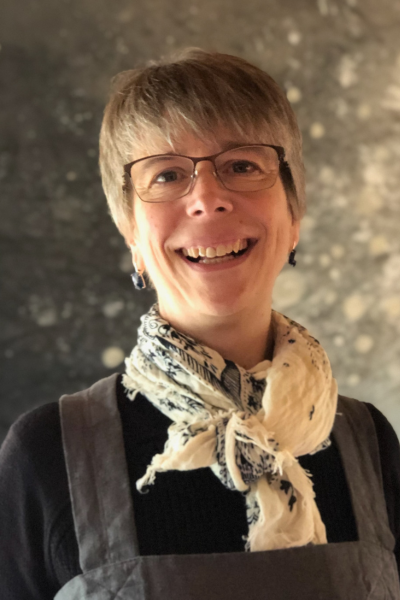
Kate Weber, PhD
Assistant Professor and Faculty Director, AI in Medical Education
Weber earned her PhD from the University of Michigan School of Medicine in 2024. She specializes in natural language processing within the healthcare system. She has experience in data management, standards and governance as well as management of technology-based services. Prior to joining Case Western Reserve, she worked at the University of Michigan Schools of Medicine and Dentistry and at health-oriented artificial intelligence (AI) tech startups.
What are your specific teaching and/or research areas and interests?
I am developing curriculum about AI technologies for students, faculty and staff in the healthcare domain, while also investigating applications for generative AI technology in the work of delivering health professions education. My recent research work has focused on detection of substance use disorder in clinical notes.
What do you look forward to at Case Western Reserve University?
I am delighted to be working within a rich collaboration between CWRU and our surrounding partners in the healthcare system.
Do you have any personal goals, hobbies, family or interests that you would like to share?
I love playing outside, especially on my bike or with my two ridiculous retrievers. I also embrace the opportunity to be gleefully terrible at something by playing an assortment of stringed instruments very, very badly.
What’s one piece of advice you have for students?
Do your best to look up from the moment-to-moment grind of being in school and embrace the big picture: a university filled with interesting people doing interesting things, a vibrant cultural scene in the city, and a world full of beautiful land and creatures. This perspective helps you regain your idea of why you're working so hard and will illuminate the path ahead.
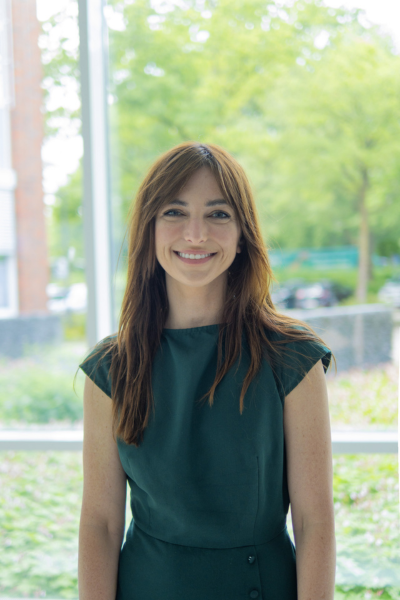
Marissa Scavuzzo, PhD
Assistant Professor, Institute for Glial Sciences, Department of Genetics and Genome Sciences
Originally from Houston, Scavuzzo earned her undergraduate degrees in neuroscience and biology at Baldwin Wallace University, where she completed her thesis research studying how signaling pathways in different brain regions contribute to the formation of autistic-like behaviors in rats. This research earned her the Edith C. Robinson Award in Developmental Neuroscience and the Thomas Surrarrer Biology Award. She then obtained her PhD in developmental biology from Baylor College of Medicine, where she worked with Malgorzata Borowiak to better understand the molecular, cellular and temporal mechanisms regulating endocrine development and physiology in mice and human stem cell-based models. Her PhD work was recognized by the Lehmann Outstanding Student Award from Baylor College of Medicine and the Deborah K. Martin Achievement Award in Biomedical Science. After graduating, she made the strategic decision to join the lab of Paul Tesar, PhD (CWR ’03) a world-renowned leader in the field of stem cell and glial biology and director of the Institute for Glial Sciences at the School of Medicine. In this position, she combined their multi-disciplinary skills in genetics, digestion, stem cells and glial biology to set the foundation for her research program focused on enteric glial biology. Scavuzzo is a dedicated mentor who is passionate about equity in science and an advocate for open science.
What are your specific teaching and/or research areas and interests?
The Scavuzzo lab studies the "brain inside your gut"—a nervous system that innervates your gastrointestinal tract called the enteric nervous system. This system is composed of two major cell types—neurons and glia—that can function independently of the brain. Glial cells in particular are incredibly plastic and perform many different functions, but we have yet to fully understand them because accessing and studying these cells is very difficult. So we develop new technologies and approaches to answer fundamental questions about these glial cells in the gut. We want to know who they are, what they do, how they do it, and how they maintain or change their functions in different contexts to regulate digestion and health. We have found they contribute to gastrointestinal issues not only in gut diseases but also in neurological conditions where gut dysfunction is pervasive. We expect to gain fundamental mechanistic insights into the functional states of glia in the gut, paving the way towards therapies for the millions of GI and neurodiverse individuals suffering from gut disturbances.
What do you look forward to at Case Western Reserve University?
I work in the Institute for Glial Sciences, and I love the energy that this group has. I look forward to working with my trainees and colleagues every day. Our lab is full of vibrant, innovative and dedicated scientists who have a deep joy for discovery. The passion in the Institute of Glial Sciences spreads like wildfire, and every moment feels like we are on the edge of something incredible.
Do you have any personal goals, hobbies, family or interests that you would like to share?
I am the scientific director of Rise Up: Northeast Ohio, a science education outreach nonprofit that I co-founded with my partner, Andrew Scavuzzo, and my mentor, Paul Tesar. We are always looking for volunteers to go into the classroom to work with students in our community, at any career stage (undergrad, grad, postdoc, faculty, staff). It is very rewarding to connect with your community and to inspire the next generation of scientists; it also looks great on your resume, and there is usually a small stipend to pay you for your time. So please check out the website and sign up to support Cleveland youth!
I am also an artist, writer, runner, backpacker and mom to an awesome 4-year-old.
What’s one piece of advice you have for students?
Failure is a part of the process and a sign that you are pushing boundaries. Also, fill your cup with different things and seek out new experiences—it will energize you and help you be more creative.
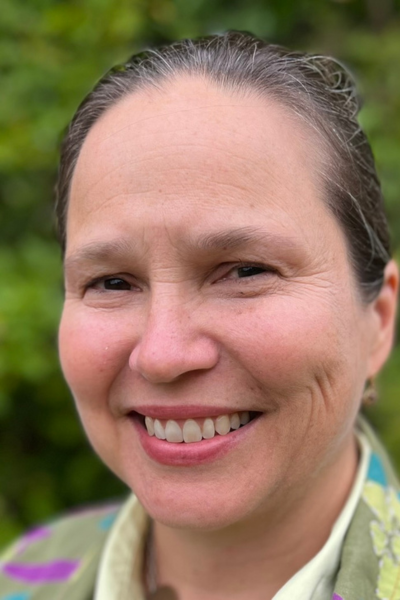
Pauline Terebuh, MD
Assistant Professor, Center for Artificial Intelligence in Drug Discovery
Terebuh’s research interests are in infectious disease epidemiology and utilizing electronic health records to investigate health outcomes in real time. She earned a Bachelor of Science at University of Michigan, a Master of Public Health at University of California Berkeley and a Doctor of Medicine from Stanford University.
What are your specific teaching and/or research areas and interests?
I have spent most of my career in applied public health and infectious disease field epidemiology. One of the goals during an outbreak response is to leverage the natural experiment of the outbreak to advance scientific knowledge. I now apply those skills to using electronic health records to investigate emergent health challenges. In addition to bioinformatics research, I teach population health topics to medical students and the course “History and Philosophy of Public Health” to Master of Public Health students.
What do you look forward to at Case Western Reserve University?
I have always loved being a student—being faculty is like the gift of getting to stay a student.
Do you have any personal goals, hobbies, family or interests that you would like to share?
I love fully embracing Cleveland cultural events and the beautiful outdoors in every season.
What’s one piece of advice you have for students?
In my experience, doing what you are excited about now leads to doing what you are excited about in the future.
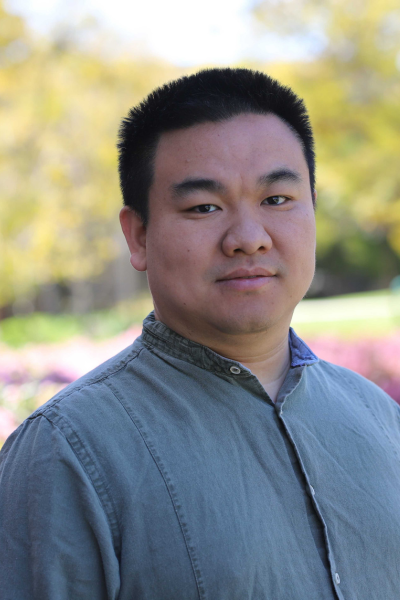
Rui Cao, PhD
Assistant Professor, Biomedical Engineering
Cao earned both a Bachelor of Engineering and his Master’s in laser and optical engineering from Nankai University. He then earned his PhD from the University of Virginia. Cao’s research primarily focuses on advancing biomedical imaging techniques to improve diagnostic accuracy and patient outcomes. While photoacoustic imaging plays a significant role, the research also explores various optical and ultrasound technologies with a mission to develop innovative imaging methods for applications such as neuroimaging, early cancer detection and intraoperative histology.
What are your specific teaching and/or research areas and interests?
I develop photoacoustic and ultrasound imaging tools for brain disorders, early cancer detection and label-free histology imaging. Specifically, my group has been working on intraoperative photoacoustic histology, dual-modality ultrasound and photoacoustic imaging, and functional and vascular imaging. Additionally, we also develop deep learning techniques to enhance our imaging capabilities.
What do you look forward to at Case Western Reserve University?
Working with motivated students and collaborators across engineering, medicine and the hospital systems in Cleveland. I’m excited to translate lab technologies into real clinical use.
Do you have any personal goals, hobbies, family or interests that you would like to share?
I enjoy classical music—especially concerts by The Cleveland Orchestra at Severance—plus light hiking and weekend park walks with my family.
What’s one piece of advice you have for students?
Keep a long view. Stick with hard problems and improve a little every day. Patience and persistence will carry you farther than talent alone.
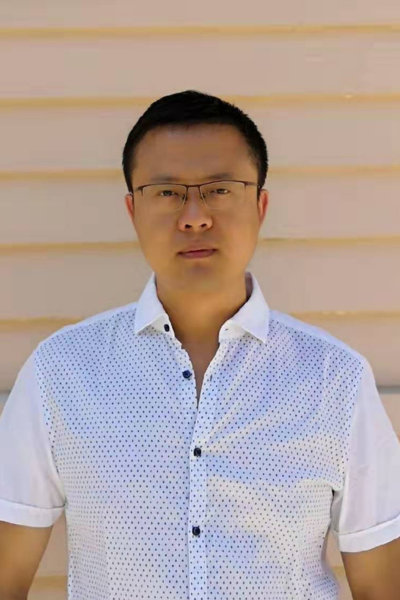
Zhenxiang Gao, PhD
Research Assistant Professor, Center for Artificial Intelligence in Drug Discovery
Gao attended BeiHang University, earning a Master of Engineering in 2010. He then earned a PhD in computer science from Beijing University of Posts and Telecommunications. Gao’s research focuses on developing AI-based computational frameworks for drug discovery, particularly in identifying FDA-approved drugs that can be repurposed to treat complex diseases such as substance use disorders, neurodegenerative diseases and diabetes-related conditions. His work integrates AI technology with clinical research, aiming to enhance therapeutic strategies and improve patient outcomes.
What are your specific teaching and/or research areas and interests?
My research focuses on developing artificial intelligence frameworks for drug discovery. I work extensively with real-world evidence from electronic health records to uncover therapeutic benefits and safety profiles of drugs and their combinations. My lab’s core mission is to fuse AI models with biological and clinical knowledge, integrating molecular, genomic and phenotypic data to accelerate translational discoveries and improve patient outcomes.
What do you look forward to at Case Western Reserve University?
CWRU provides a collaborative environment that bridges medicine, data science and engineering. I look forward to fostering interdisciplinary collaborations that integrate AI-driven biomedical informatics with clinical research, building partnerships across departments and mentoring students who are passionate about uniting computational approaches with biomedical insight to improve patient outcomes.
Do you have any personal goals, hobbies, family or interests that you would like to share?
Outside of my research, I enjoy fishing and exploring new places through hiking. I’m also passionate about discovering new technologies that connect science with creativity.
What’s one piece of advice you have for students?
Stay curious and persistent. Research often starts with uncertainty, but progress comes from asking deep questions, embracing challenges and learning continuously.
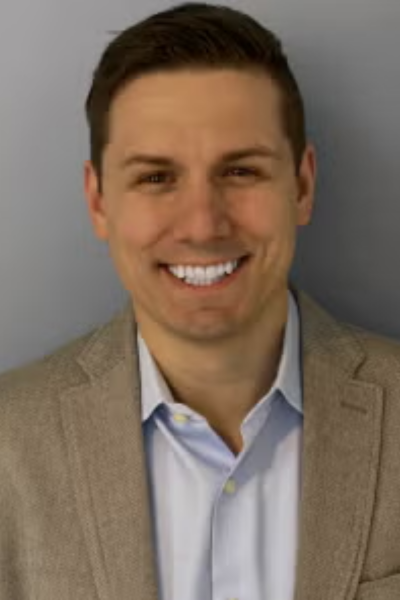
Ben Clayton, PhD
Assistant Professor, Institute for Glial Sciences, Department of Genetics and Genome Sciences
Originally from Salt Lake City, Clayton holds a biology degree from the University of Utah. He completed his graduate studies working with Brian Popko at The University of Chicago. As a graduate student, Clayton’s research focused on exploring the role of the integrated stress response in hypoxic injury to glial cells. He then moved to Case Western Reserve to train as a postdoctoral fellow with Paul Tesar, PhD (CWR ’03) , where he established a phenotypic screening platform for identifying small-molecule suppressors of pathological reactive astrocyte states. As a postdoc, Clayton was awarded a Career Transition Award from The National Multiple Sclerosis Society to further study the intrinsic and extrinsic mechanisms of glia cell pathology in multiple sclerosis.
What are your specific teaching and/or research areas and interests?
My lab's research focuses on glia—highly specialized non-neuronal cells in the nervous system—and seeks to advance our understanding of glial cell biology and its impact on human health.
Ultimately, the goal of the lab is to identify therapeutic approaches that reduce harmful functions, and/or enhance beneficial functions of glial cells.
What do you look forward to at Case Western Reserve University?
I look forward to training and working with the talented graduate/undergraduate students at CWRU.
Do you have any personal goals, hobbies, family or interests that you would like to share?
Most of my free time is spent with my wife and two young kids. We enjoy spending time outdoors, going to the zoo, the Natural History Museum and the science museum.
What’s one piece of advice you have for students?
Find a way to cultivate resilience and stick to your guns. Often in science, those who make an impact are the ones who do not give up and who have a strong belief in what they are doing.
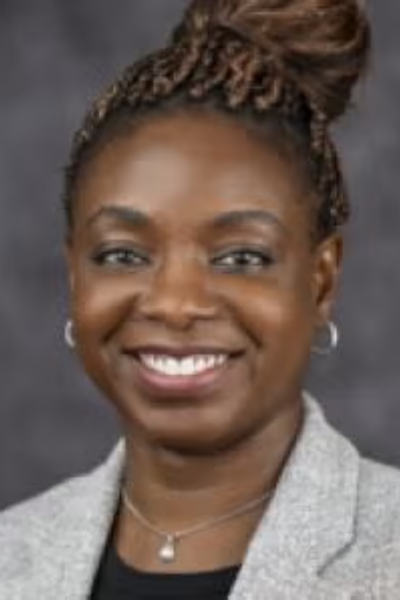
Chinyere Iweka, PhD
Assistant Professor, Department of Pharmacology
Iweka obtained a Bachelor of Science in biology from University of Maryland, Baltimore County, a Master of Science in biotechnology from Johns Hopkins University and a PhD in neuroscience from Georgetown University. Her work focuses on aging, circadian biology and immune function.
What are your specific teaching and/or research areas and interests?
Aging and circadian biology
What do you look forward to at Case Western Reserve University?
Through my research, promoting healthy aging and at the same time mentoring and providing academic support to students.
Do you have any personal goals, hobbies, family or interests that you would like to share?
Traveling
What’s one piece of advice you have for students?
Relieve yourself of the burden of trying to seem like you know everything. It is okay to ask questions, that way you learn the answers and avoid costly mistakes.
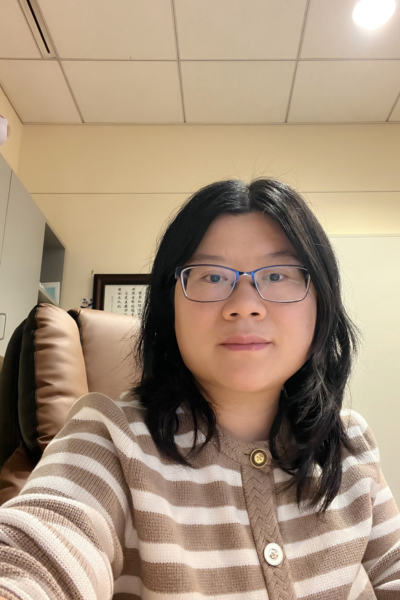
Fang Chen, PhD
Assistant Professor, Pharmacology, Biomedical Engineering
Chen’s journey in science started with a love for nanotechnology during her undergraduate studies. While pursuing her graduate degree at the Shanghai Institute of Ceramics, Chinese Academy of Sciences, she developed a smart drug delivery system that could target tumors more effectively, minimizing side effects and improving the impact of chemotherapy. Inspired by the power of early diagnosis, Chen shifted focus during her Ph.D. at UC San Diego, working on using nanoparticles for live imaging of stem cells to track their movement and improve their therapeutic potential. Her creative approach included adding magnetism to these particles to guide stem cells to the right location using non-contact forces.
What are your specific teaching and/or research areas and interests?
In the Chen lab, we are dedicated to materials science and engineering-based new technologies and treatments to improve health. Our research is highly interdisciplinary and transdisciplinary, involving materials science, chemistry, biology, medical imaging and life sciences. Our current research focuses on ophthalmic biomedical engineering. We use nanoscale and macroscale biomaterials to tackle unmet clinical needs in the eye's anterior and posterior segments. Our research directions include advancing cell therapies in the eye with biomaterials, corneal wound healing, sustained drug delivery, the synthesis mechanism of nanoparticles and their interaction with cells, etc. We welcome collaborations on projects broadly related to human health, biomedical imaging and biomaterials.
What do you look forward to at Case Western Reserve University?
I am excited to build up research and collaborative connections with others at CWRU and local hospital/community networks working to advance curative therapies with biomaterials.
Do you have any personal goals, hobbies, family or interests that you would like to share?
I enjoy playing puzzles with my little ones and hiking with my family.
What’s one piece of advice you have for students?
Don’t stop getting to know your true self—celebrate your strengths, face your weaknesses with courage, and keep renewing your spirit.
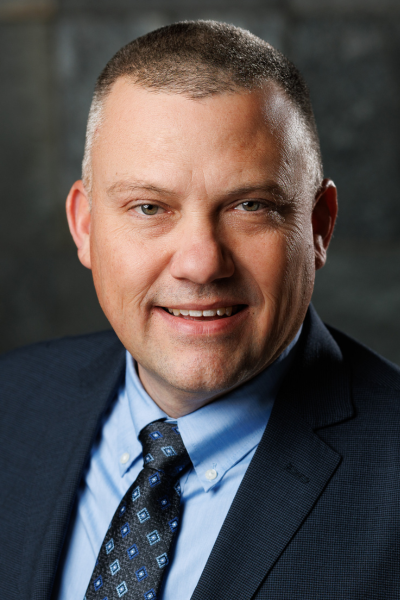
Damian Junk, PhD
Assistant Professor, Case Comprehensive Cancer Center
Junk is a scientist trained in cancer biology with extensive cancer-focused pre- and post-doctoral experience. After earning his undergraduate degree at the University of Notre Dame, he pursed a Master’s degree from Purde before earning his PhD from the University of Arizona. As assistant director of Cancer Training and Education, he initiates, develops, directs and evaluates cancer training and education programs to enhance the experience of all Case Comprehensive Cancer Center trainees.
What are your specific teaching and/or research areas and interests?
I enjoy teaching cancer biology, prevention, screening and treatment for high school and undergraduate students who visit Case Western Reserve University each year for the Case Comprehensive Cancer Center summer laboratory immersion programs funded by the National Cancer Institute and American Cancer Society. I provide cancer biology instruction for the Case Cancer Initiative, a club of premedical students at CWRU, and for the hematology/oncology fellows at University Hospitals and Cleveland Clinic who are preparing for board examinations. I also facilitate responsible conduct of research panel discussions for CWRU graduate and medical students.
What do you look forward to at Case Western Reserve University?
Every day, I look forward to providing opportunities for young learners to connect to the world-class faculty and research at the Case Comprehensive Cancer Center and School of Medicine. It is my privilege to provide pathways to encourage and equip students to pursue a future career in biomedical research and healthcare.
Do you have any personal goals, hobbies, family or interests that you would like to share?
My goal is to provide exceptional training and education experiences to young learners to help them navigate their journey toward a successful career that utilizes their unique skills and passions.
What’s one piece of advice you have for students?
Get to know yourselves and your goals well, make a plan, be flexible and take advantage of the opportunities presented to you.