Powering progress: Women driving science at CWRU
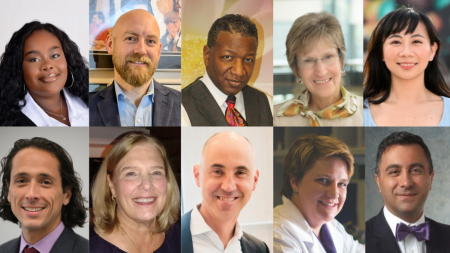
On International Women and Girls in Science Day, we celebrate the women who are shaping the future of science.
Across Case Western Reserve University, women in science are shaping the future through curiosity, creativity and impact. From classrooms and labs to clinics and collaborative spaces, students and faculty across our schools are advancing research, solving complex problems and redefining what leadership looks like. Their work spans disciplines—from engineering and public health to analytics, research and beyond—reflecting the breadth and strength of science at Case Western Reserve.
Today, on International Day of Women and Girls in Science, we celebrate a group of students and faculty whose passion for learning and commitment to discovery are helping to build a more robust scientific community. Through their teaching, research and mentorship, they are not only expanding knowledge but also opening doors for the next generation of scientists, innovators and leaders.
Zelan Eroz Espanto
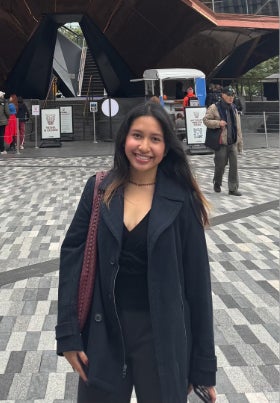
A second-year undergraduate student, Zelan Eroz Espanto is studying mathematics and computer science with a focus on investigating the fairness of machine learning models in detecting intimate partner violence (IPV), working with social media text data and training AI language models to better identify IPV. Her work blends business and machine-learning with human reality.
What inspired you to go into your field? Was there a driving force or impetus?
I asked my high school computer science teacher whether I should study law in the Philippines or computer science in the U.S. He gave me this skeptical, joking look and said, “You? Law?” He probably does not even remember it, but that’s literally how I picked my major and I’ve been glad I followed that instinct ever since.
What is the most memorable moment of your career (academic or professional) or of your time at CWRU?
One of my most memorable moments at CWRU was working with [Cleveland’s] West Side Market through xLab. It was my first project where the work felt truly real because it involved an actual community partner and a historic institution with real stakes. I also loved collaborating with students from different backgrounds since it pushed me to communicate better and think beyond just the technical side. And having an amazing mentor, Stefan, made the experience feel both challenging and really meaningful.
What motivates you? Have there been any influencing factors throughout your career?
I was drawn to STEM early on because, growing up in a family involved in government, I assumed science would be a more objective and neutral space than politics. I quickly learned the opposite: STEM can be deeply political because decisions about what gets funded, what gets built, who benefits and who is harmed are never purely technical.
That realization became a major influence throughout my journey and shaped what motivates me now. I am most driven by work that is clearly impactful and accountable to real people, especially the working class and communities that are often overlooked but carry society. In what I study, what I build and what opportunities I pursue, I now find myself always asking whether it reaches the people who need it, and whether it is something I can be proud to stand behind. After all, science without a moral framework is incomplete, and it can be dangerous.
What are you most looking forward to in the future?
I’m looking forward to exploring where my interests in AI, human behavior and business intersect, and I’m not rushed to have everything figured out yet. I’m excited to keep learning and growing as I move from theory into building and deploying real systems that turn questions into something tangible and useful. And on a more personal note, I’m also looking forward to seeing more of the world. I love traveling solo, and I hope that in 10 years I’ve visited around 40 countries.
What advice would you have for women starting out in science fields?
There are three things I always keep in mind:
1. Don’t be intimidated by the person in the room who seems or screams like they have it all figured out (maybe they do, maybe they don’t). Give yourself permission to not know yet. Asking questions, looking “clueless” and starting from scratch are not weaknesses in science; they’re how you grow.
2. The classic problem is that women feel they need to work harder to get to the same level—well, that's because they do. With this, protect your energy accordingly. Find mentors and peers who share knowledge without ego, take your questions seriously and make space for you to be a whole person.
3. Your curiosity and passion always belong in the room, even at times when it feels like they don’t. Be unapologetic and take up that space.
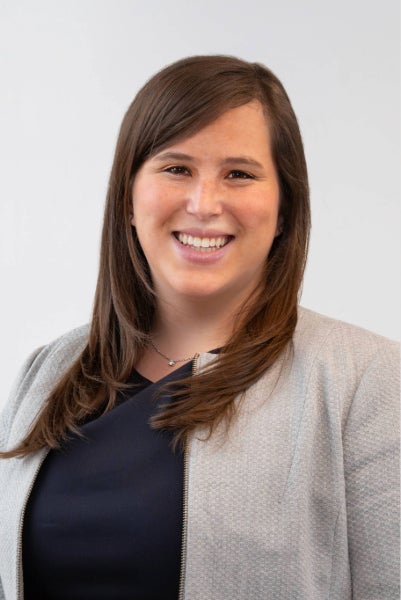
Alexis E. Block, Dr.sc.
Alexis E. Block is an assistant professor in the Department of Electrical, Computer and Systems Engineering and director of the SaPHaRI Lab (Social and Physical Human-Robot Interaction) with Case School of Engineering. Block is part of the Human Fusions Institute at CWRU, whose mission is to create technology in the service of humanity.
In 2024-25, Block served as a Veale Faculty Fellow—a cohort program that helps faculty translate research into entrepreneurship.
What inspired you to go into your field? Was there a driving force or impetus?
When I was younger, I had many passions. I wanted to be an actress. I wanted to be a judge (mostly because I thought it would be fun to wear pajamas under the robe). Eventually, I chose engineering because I loved building things and was especially drawn to aerospace.
A pivotal moment happened when a NASA internship I had lined up fell through at the last minute. I went to my academic advisor, hoping for an alternative plan. She offered me a summer internship in her research lab studying haptics, the science of touch. That experience pulled me into tactile sensing and human-centered engineering.
When it came time to choose my master’s thesis topic, I created my first “hugging robot.” That was deeply personal: My dad passed away during my freshman year of college, and it was one of the hardest times in my life. I remember craving the comfort of human touch, wanting a hug from my mom or grandmother. That experience ultimately led me to human-robot interaction, especially exploring how robots can support people emotionally through social and physical connection.
And then, right before I submitted my faculty applications, my brother passed away suddenly and unexpectedly. It was devastating, but it also sharpened my sense of purpose. It reinforced why my research matters and helped define the direction of my lab: using robotics to support emotional well-being and create tools that help people feel less alone.
What are you most proud of in your career, or what has been the most memorable moment for you?
Academically, I’m proud to have received the Otto Hahn Medal, a Max Planck Society award recognizing outstanding scientific achievement by early-career researchers. It’s awarded to some of the strongest doctoral dissertations across all Max Planck institutes in Germany, and it was a huge honor.
One of the most memorable moments in my career was when people started to truly recognize the value and technical depth of my research. Early on, my hugging robot research was dismissed as “light” or “fluffy.” In reality, it involved serious engineering challenges and rigorous science.
Seeing the shift from skepticism to genuine appreciation was incredibly meaningful. My dissertation work gained attention, spread in the popular press and culminated in a major demo at an international conference where the system ran continuously for three days and attracted more than 250 people. I received the Best Demo Award, and it felt like a turning point, both professionally and personally.
What motivates you? Have there been any influencing factors throughout your career?
My biggest motivation has always been to make my family proud and to honor their legacy. I’m driven by the idea that technology should improve people’s lives and bring more care and humanity into the world.
What are you most looking forward to in the future?
I’m most looking forward to watching my students grow into confident, capable scientists and engineers, and seeing what they accomplish beyond CWRU. Mentoring is one of the most meaningful parts of my career, and it’s incredibly rewarding to see students discover their strengths, develop their own research identities and shape the future in their own way.
What advice would you have for women starting out in science fields?
Believe in yourself, even when others don’t yet see your potential. You may encounter doubters, skepticism or people who underestimate you, but resilience and confidence matter. If you can develop a strong sense of self and stay grounded in why your work matters, you’ll be able to push through the noise.
Remember: You are stronger than you think you are, and you know more than you think you do. Science needs more women and more diverse perspectives—not just for representation, but also because innovation depends on different ways of seeing and solving problems.
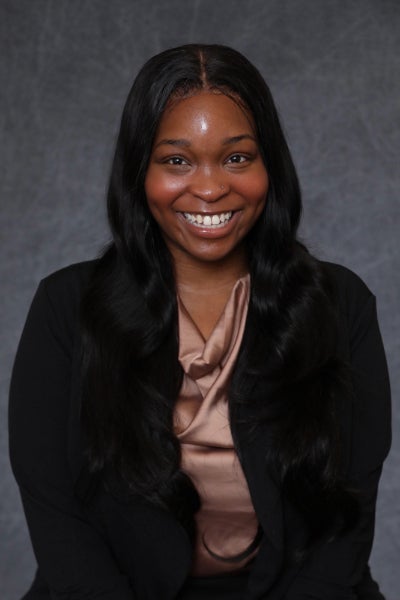
Miriam Ashford
With a background in biology and chemistry before she began her environmental law journey, second-year law student Miriam Ashford has a deep appreciation for the planet. Her academic experience in the sciences, as well as an influential internship during her undergraduate years, led her to pursue environmental justice as a Burke Scholar.
Can you share a little about your role, job or research?
When I first went to undergrad at Xavier University of Louisiana, I wanted to be a doctor because my dad is a cardiologist. Even leading up to college, I was interested in the sciences and had a deep love for the planet. I majored in biology with a minor in chemistry, and changed my major to political science in my junior year after doing an internship through Xavier University’s Investigative Stories project in southeastern Louisiana. I talked to people all over the region about the petrochemical plants that are in their backyards, in places like St. John’s parish, and learned the real impact that environmental law and advocacy can have on people.
That experience affirmed my love for the planet, biology and living things, but I also found a love for the social sciences. I learned that I want to advocate for people, which drove me to change my major and start looking into environmental law, which led me to Case Western Reserve for law school, and now I’m a Burke Environmental Law Scholar.
What is the most memorable moment of your career (academic or professional) or of your time at CWRU?
Last semester, I took a course with Professor Victor Flatt called “Environmental Governance in the Private Sector,” which was really memorable for me because I never imagined environmental law in connection with corporate law. Every time I had thought about environmental law, it was in connection with local, federal and national governance, so the course was eye-opening to see how we can advocate for environmental protections through private corporations.
What motivates you? Have there been any influencing factors throughout your career?
My family absolutely motivates me. My dad is a doctor and my mom has a PhD in mathematics, so they serve as a great support system and have really encouraged my academic journey. I feel like I’m following in their footsteps and if they were able to make it through, so can I.
What are you most looking forward to in the future?
I'm hoping to be the best advocate for marginalized communities and for the planet. I want to make an impact on someone’s life, even if it’s small. As a lawyer, I’m looking forward to combating environmental injustice and speaking up for people. Talking to people in historically Black communities opened my eyes to how people can feel like their concerns are being ignored, so I would love to be the voice for those communities.
What advice would you have for women starting out in science fields?
Keep going. Especially as a child, I remember sitting in AP Biology or AP Chemistry and being sometimes the only woman, let alone the only Black person or Black woman. It can be really intimidating, but you have to be your own cheerleader, find your support system and just know that you can do this. We need more women in science, so thinking about what you’re doing and the impact that you’ll make—just keep going.
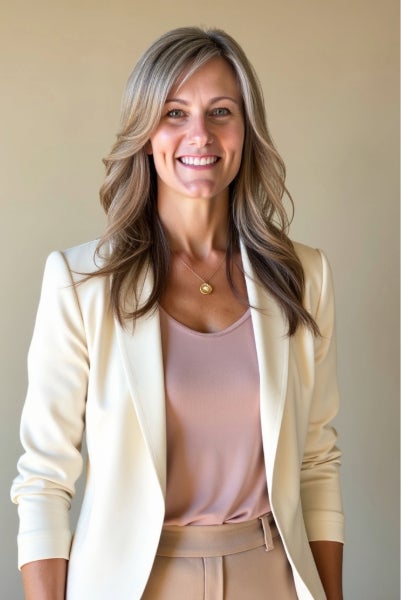
Megan Holmes, PhD
Megan Holmes is a professor of social work and co-director of the Center on Trauma and Adversity at the Jack, Joseph and Morton Mandel School of Applied Social Sciences. Her clinical experience centers around families from domestic violence households with the goal of contributing to the optimal development of children who have been exposed to intimate partner violence. Holmes was recently awarded an NIH R01 grant to advance the measurement of sibling relationship quality.
Recently, Holmes served as a Veale Faculty Fellow as part of a yearlong cohort that supports faculty in translating research into entrepreneurial pathways.
Can you share a little about your role, job or research?
My research broadly focuses on trauma and adversity, but in particular on children who have been exposed to intimate partner violence and identifying protective mechanisms that can promote optimal outcomes in these kids. I’ve done statewide demonstration projects that focus on linking systems of care for victimized youth, and worked with trauma-informed organizations and systems as well.
My current big project is the NIH R01, which is focused on developing a new measure for sibling prosocial relationship quality. This work stems from my experience with kids who have been exposed to domestic violence, with the thought that sibling relationships can be a protective mechanism for those children.
What are you most proud of in your career (academic or professional)?
Establishing the Center on Trauma and Adversity and bringing our group of faculty together to do this important work and the impact that we’ve had on the community. During the pandemic, we pulled together so many resources to help people who were really struggling with the collective trauma of the pandemic, and we’ve continued to develop and innovate around community offerings.
I’m also really proud of my research. It’s also been driven by the community, and the NIH R01 will allow me to continue my work at a time when research funding is really hard to come by. The premise of the grant is that sibling quality has historically been measured on white kids of upper-class families, so part of the research is focused on getting diversity in our sample to create a representative measure that can be used across families, structures, racial groups and various socioeconomic statuses. I was thrilled when we got the notice that the grant had gone through, and excited to do this work.
What motivates you? Have there been any influencing factors throughout your career?
As a doctoral student, I had a really strong mentor and advisor, Bridget Freisthler, and she has continued to mentor me throughout my career. What motivates me now are the students, and giving back in the same way that I was mentored. I love teaching and mentoring the doctoral students, seeing them take an interest in what they want to study and then grow it into independent research. I love teaching master’s students and being able to see them apply what we're learning in class to the work that they're doing with their clients or their communities.
I also recently started teaching undergraduate students and developed “Trauma, Neurobiology and the Healing Power of Social Connection,” a class I developed because I wanted students across disciplines to understand the impact of trauma and how it can show up in populations they’re working with. It’s inspiring to see the connections students make and how they’re able to take lessons from what we discussed in class and apply them to their respective fields.
What are you most looking forward to in the future?
The next few years of my NIH R01 research. I’m excited to move through the different phases of the study and create a measure that’s valid and reliable that can measure prosocial pieces. Other measures tend to look at conflict, rivalry and warmth, whereas this measures aspects of sibling relationships that are more malleable. What’s unique about our measure is not just how we measure conflict, but how we measure conflict management. How do kids handle conflict? How do they resolve it? That kind of information can be taught in an intervention, so my goal is to bring this back to the field of intimate partner violence and develop an intervention that can build on these relationships.
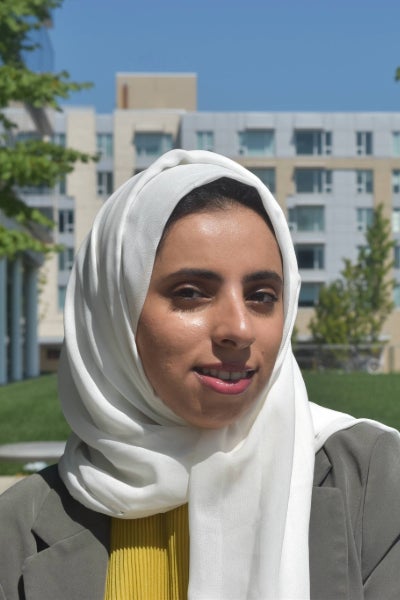
Hind Alsabti, RN (NUR ’21)
A PhD student, Hind Alsabti was originally drawn to Case Western Reserve by its excellence in research. After completing her Master of Science in Nursing at the university, she continued on into the doctoral program to continue her own research into how stress affects preterm infants.
What inspired you to go into your field?
The concept of toxic stress initially captured my attention. I realized that there is more to stress than just acute and chronic exposure—preterm infants facing adversity early in life are at increased risk of impaired physical health and neurodevelopmental functions later on.
Through my Master of Science in Nursing degree in women’s health, I learned that the risk of preterm birth is rising globally. While complications of prematurity are a leading cause of infant mortality in the first year, maternal closeness and consoling can help to mitigate toxic stress and improve health outcomes for preterm infants. My research focuses on enhancing the awareness, management and prevention of this toxic stress during routine nursing care for vulnerable preterm infants who experience maternal separation and multiple stressful events while hospitalized in the Neonatal Intensive Care Unit.
What are you most proud of in your career?
Since enrolling in the PhD program, I have expanded my research skills across my topic and other nursing-related areas. I am fortunate to be mentored by leading experts in neonatology, including Susan Ludington-Hoe, PhD, who has established and enhanced the usefulness of Kangaroo Mother Care in the US, and Valerie Toly, PhD, RN (NUR ’90; GRS ’09, nursing), whose research explores caregiving for children with technology dependence.
What is the most memorable moment of your time at the School of Nursing?
One of my most memorable moments was having my first picture taken at the International Nursing orientation in front of the School of Nursing in 2018. That photo, along with others, is now framed and displayed on one of the school’s walls.
What motivates you academically or professionally?
Case Western Reserve University is a true home for those pursuing advanced degrees in nursing or other disciplines. I have had numerous opportunities to present my research at scientific meetings locally and internationally, as well as through manuscript publications. These experiences taught me that every paper we write has its place, and it’s important to never give up.
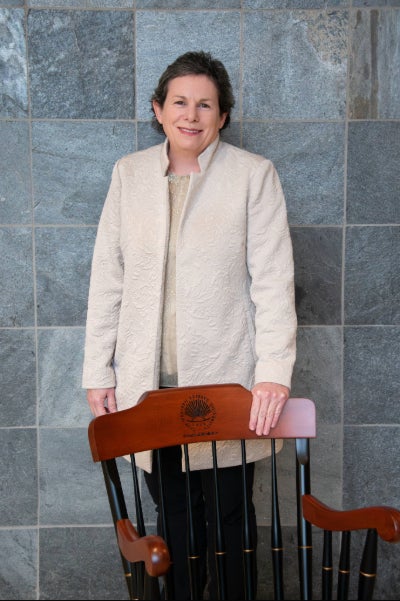
Susann Brady-Kalnay, PhD
Susann Brady-Kalnay is a professor in the School of Medicine’s Department of Molecular Biology and Microbiology. Her research focuses on cell-adhesion molecules and new ways to detect and identify cancer cells to more effectively treat the disease.
What inspired you to go into your field?
My mom was a teacher and my dad was an electrical engineer at NASA, so education and science were in my blood. I was one of those kids who wanted a doctor’s kit for Christmas. In junior high, I had a teacher who had us do fruit fly genetic experiments and I was really hooked from there. From that moment forward, I knew that I was interested in biology and I never changed my mind. Additionally, a lot of people in my family have had cancer so it made me want to synergize those areas.
Tell us about your work. If you could accomplish one thing with it, what would it be?
My goal is to help at least one patient in my lifetime. I would really like to help millions of patients—but even if I can help one, that’s a victory. If I create something that can be used in the clinic to help people, I will feel like I did my job in this world.
I started out working on a class of cell-adhesion molecules altered in tumors almost 40 years ago and I have spent the last 20 years developing different ways to detect cancerous tumors. The idea is that we will be able to diagnose cancer, image it, treat it and do that specifically. People think cancer is a round blob, but it’s more like an octopus with tentacles that spread out over blood vessels and nerve tracks. With improved imaging techniques, we can see at a cellular level what the cancer cells are doing. When you get cancer, you get various treatments, but they are mostly nonspecific—you are just bathing a body in chemicals and hoping some of the tumor cells get killed in the process. We are trying to specifically detect cancer so that we can deliver the drug right to the tumor cell to reduce side effects and reduce those toxicities.
What are you most proud of?
I think the thing I am most proud of is that I have never given up. My colleagues joke that they are going to put a statue of me on the Quad for the perseverance award, because I worked on the same class of proteins for over 40 years. Because I really wanted these medical technologies to make it to patients, I started a biotech company and after 20 years of working on this, I got FDA approval six months ago to do a clinical trial with one of the imaging agents that I invented. I have been lucky to have a lot of people who believe in me and have been in my corner making this happen over the years. So I would say perseverance is the most important thing.
What’s your favorite part of Case Western Reserve?
The people who work here are world-class scientists who are very collaborative. We help each other out whenever we can. There aren’t a lot of big, negative personalities that you sometimes find at other places who only care about themselves. But that’s not who we are here. What I like about Case Western Reserve is that I want to do world-class science, but I want to do it with people I like, who are willing to help me when I need it.
What advice do you have for young scientists?
It doesn’t matter where you come from or where you start, you can do it. I did my undergraduate degree at University of Dayton and my PhD at University of Cincinnati. I then went to this famous research institute called Cold Spring Harbor Laboratories in New York. I was this Midwest girl from regular schools and everyone else was from the Ivy League and I felt intimidated. But if I look back, I am one of the people who has come the farthest from that era.
There will always be people who say, “you can’t do this,” but every day people do something that other people say can't be done. As a woman in particular, you are massively underestimated, but just because someone else couldn’t do something doesn’t mean you can’t do it. You have to listen to yourself and do what you think is best, even if people tell you it can’t be done.
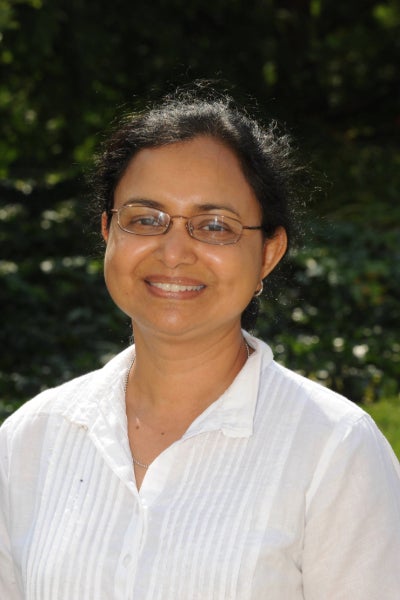
Suchitra Nelson, PhD
Suchitra Nelson (GRS '84, nutrition; GRS '88, '92, epidemiology and biostatistics) is the associate dean for clinical and translational research and interim chair of the community dentistry department at the School of Dental Medicine. Her work focuses on health equity, preventing oral disease and implementing clinical trials in the community.
What do you do at the School of Dental Medicine?
My role centers on community-based research in public health dentistry, with a strong emphasis on prevention and health equity. I focus on developing and implementing preventive interventions for underserved populations who often lack access to consistent dental care. Most of my work is right in the middle of the community—schools, subsidized housing and medical settings—where we can reach people who might otherwise go without care. The goal is to prevent disease, improve overall health and create approaches that are practical, effective and scalable.
What attracted you to this work?
I was taught from a young age that social justice, health equity and helping the vulnerable are important. I was always interested in health research and epidemiology was the perfect fit for me. I like that you can make a difference by finding new ways to prevent or treat disease and develop new treatments and preventive modalities that could have a real impact on people’s lives. Over time, that interest became closely tied to health equity. Prevention is especially important in communities where access to care is limited, and I realized that focusing on prevention could help reduce disparities and improve long-term health outcomes.
What part of your career are you proudest of?
I am most proud of the impact our work has had in underserved communities. Much of our research has focused on populations that traditionally don’t receive adequate dental care, including children and older adults living in subsidized housing. Knowing that our work has brought care, education and awareness directly to people who need it most is incredibly meaningful. I am also proud that some of our interventions are designed to be used beyond dentistry, particularly in medical settings, allowing for broader reach and greater impact.
In terms of my own professional accomplishments, one of the most memorable moments of my career was receiving the Presidential Early Career Award, which is awarded through the White House Office of Science and Technology. It was a significant honor and personally meaningful because it recognized work funded by an NIH grant that focused on community-based prevention. That recognition reinforced the importance of this type of research and validated the direction my work had taken.
What motivates you? Where do you think you’ll go from here?
I’m motivated by the diversity and immediacy of community-based work. This job is never boring; no two projects are the same, and the work is never monotonous. I get to meet patients, physicians, nurses, school teachers, service coordinators and community members, all of whom contribute to the success of our programs. It’s hard work, but it’s satisfying work because seeing the results firsthand and knowing that people appreciate the care we provide is incredibly inspiring.
Looking ahead, I am excited about expanding the reach of our work beyond local communities. A major goal is for our preventive interventions to be adopted more widely by medical clinicians across the country. If we can demonstrate that simple, effective strategies can improve oral and overall health, there is tremendous potential for national impact.
What is something all researchers should remember?
Be patient, be passionate and be tenacious. Science can be challenging, and criticism—especially from grant or manuscript reviewers—is part of the process. It is important not to take that feedback personally but to learn from it and keep moving forward. I have seen too many people give up too early. Perseverance, resilience and belief in the value of your work are what will set you up for long-term success.