Studying, upgraded: CWRU alum Satya Moolani builds a better way to power through flashcards
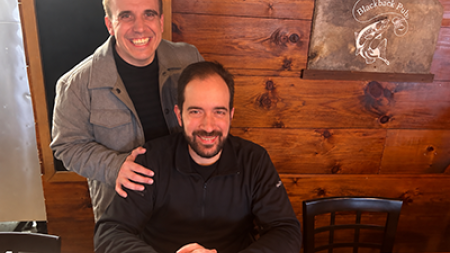
Millions of students use digital flashcards to prepare for exams. Satya Moolani (CWR ’22, MGT ’22) has built a better way to flip through them.
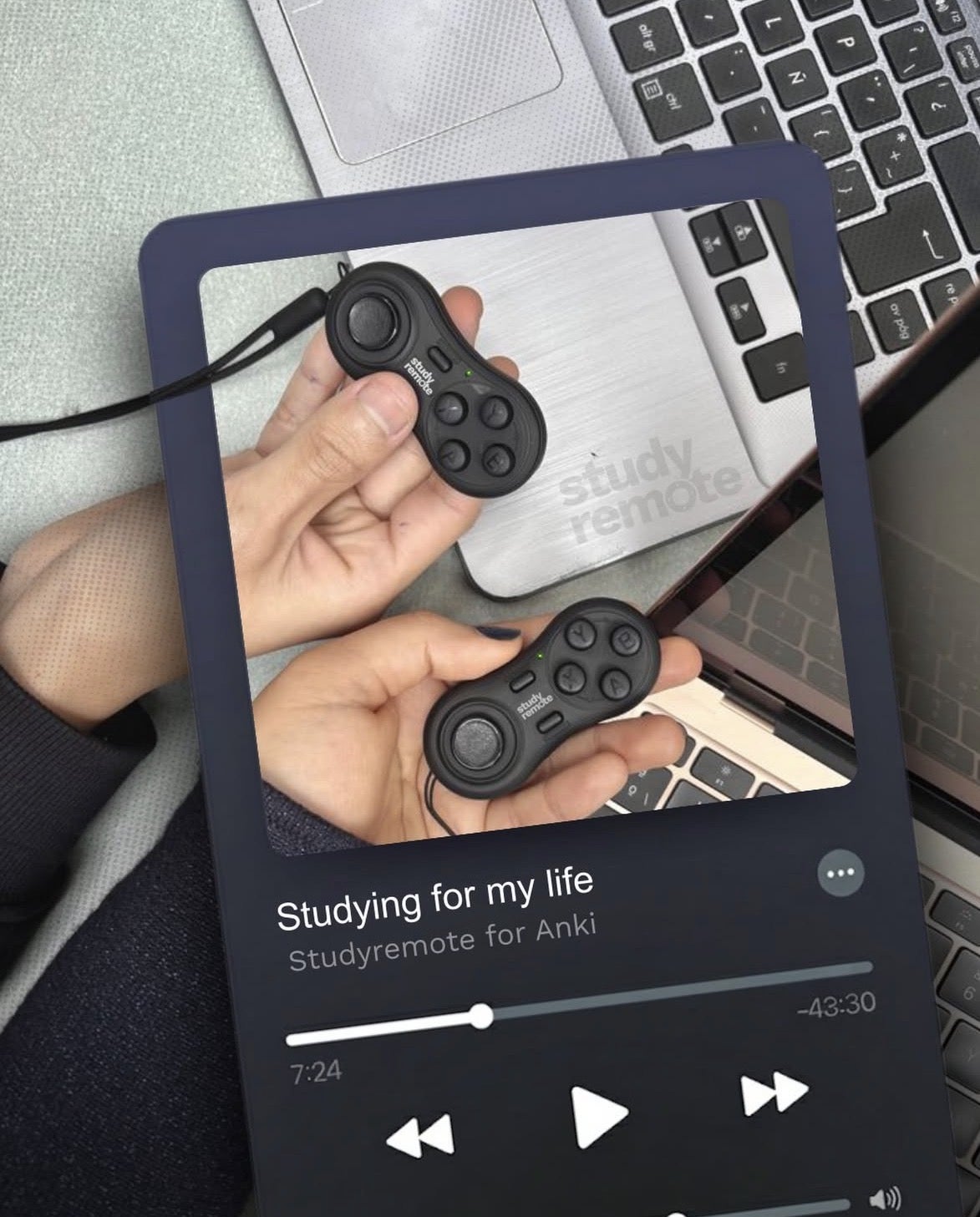
A handheld Bluetooth device designed to work with the popular digital flashcard platform Anki and others, StudyRemote lets students review study materials hands-free. Moolani launched the company in summer 2022 with his brother, Harsh, and the two have since sold more than 25,000 units nationwide.
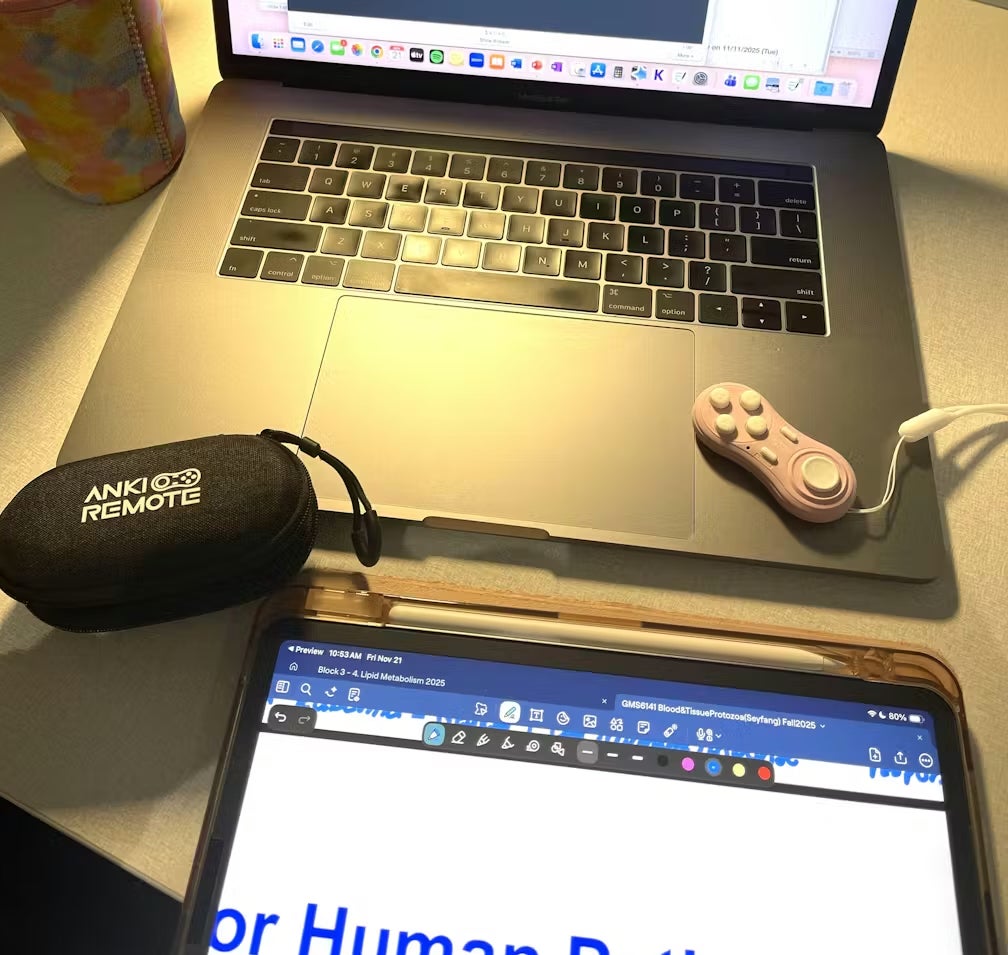
“StudyRemote can replace the need of having a phone or laptop in your hand, and can make studying more fun,” said Moolani, who earned a bachelor’s degree in cognitive science from the College of Arts and Sciences and a master’s degree in healthcare management from the Weatherhead School of Management. “Our internal data shows us that students who use our remote versus just their keyboard can study up to twice as fast.”
Even before launching StudyRemote, Moolani was part of building new a enterprise with his brother.
While a student at CWRU, Satya Moolani served as director of the Cleveland chapter of Create Circles, a nonprofit his brother founded to reduce loneliness among older adults in long-term care by pairing them with student volunteers.
In fact, he helped expand the program to 25 nursing homes in Kentucky—securing a three-year, nearly $500,000 grant from the Centers for Medicare and Medicaid Services to fund the effort.
That experience—managing volunteers and coordinating logistics across two dozen facilities—carried directly into creating their startup, Anki Remote (the original name for StudyRemote).
The company is now rebranding to support a wider range of platforms beyond Anki—and to reach students of different ages. Early results suggest the device is broadly effective: in a company-led study across nearly 150 institutions, students reported completing more than 90 percent more flashcards daily using it, alongside median increases in exam scores and retention.
Even as the company grows, Moolani stays connected to the CWRU entrepreneurial community—including through the Veale Institute for Entrepreneurship. In the conversation below, he reflects on building a hardware product, staying close to customer feedback, and what student founders can learn from his startup experience.
What problem were you trying to solve—and when did you know Studyremote was worth building?
I built it for myself first. I used StudyRemote while studying for the MCAT, which is how I knew it worked. Students say they love that they can multitask while studying flashcards on a screen.
From the start, we asked where students were using our remote the most, creating a constant feedback loop. Whether it’s battery life, switching to USB-C, or color preferences, students are at the center of everything we do.
Why build hardware when software is faster to launch?
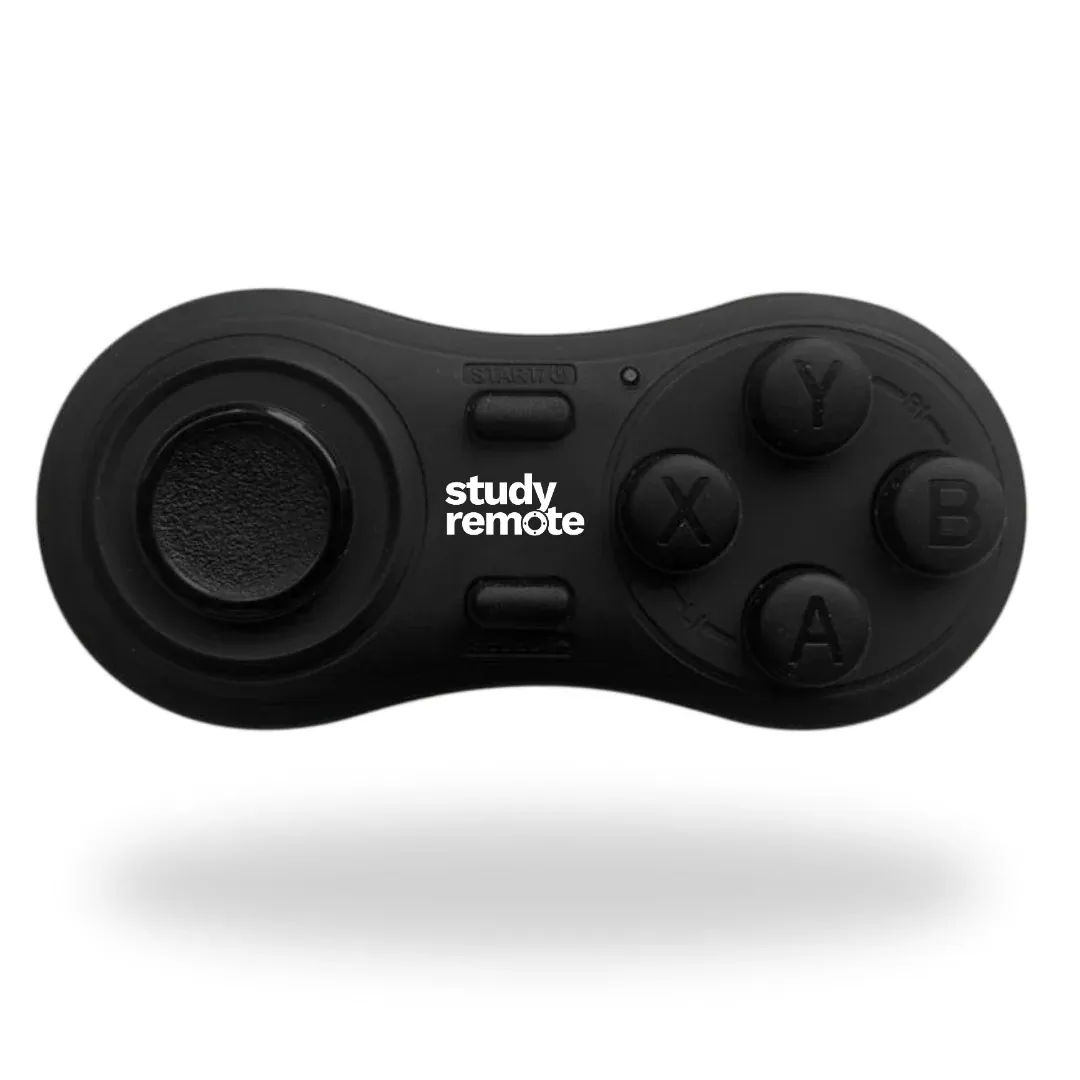
A lot of people make software because it’s super easy now—especially with Claude, OpenAI, Gemini, Claudecode, and Lovable. I would think of ways that hardware can help other students.
You’re building something physical that changes behavior. Every day I would get all the orders and drop them off at each post office—I was involved in every step of the process. It takes more research and development, but it’s gratifying on a different level.
How did you move from idea to a product that generates revenue?
Our mindset was: make fast and sell faster. We asked, ‘How much money do we have to invest to see if this idea works?’ There were no branded remotes that worked directly with Anki on the market. We started cold-emailing medical schools and almost every university to get group orders.
From the first hundred students, we made iterations. It was trial and error with outreach and ads at first, and now we’re expanding to different avenues.
What did you learn by manufacturing a physical product?
First priority was making sure it worked. We teamed up with a manufacturer in China and had to get really good at communication, even with a language barrier. We’ve been building trust with them for three years and hope to license our remote with different universities. I focus more on the operational and marketing side, and my brother is numbers-oriented.
If you’re missing a skill set, you find people who can help—you shouldn’t be intimidated by that.
How did CWRU shape your entrepreneurial path?
I attended the Veale Institute’s Entrepreneurship Speaker Series events. The talks helped during ideation—you can relate what you hear to your own company. When I was taking managerial courses at Weatherhead, I would apply what I learned to my own life.
My advice is to consider how you can align course content and your experiences with a two-birds-one-stone mentality. I always went to happy hour events to make connections in the healthcare administration field. You never know what you might say to someone who can then help you, causing a ripple effect.
How important is collaboration in launching a startup?
Super important. I’ve always had my brother as a collaborator. Three people or fewer is a good number. If one person is busy, they can fall back on the other to manage the company, which is a balance we’re achieving now.
My brother and I had different perspectives, and we were not necessarily solving a problem but rather making an existing solution more convenient. Finding someone you trust is everything.
What’s next for StudyRemote?
We’re at a really important time with our rebrand because we want to expand beyond Anki. We’re exploring user-generated content with influencers, running advertisements, and partnering with pre-med clubs and Greek life at universities to get in front of students in every way we can.
We also want to design editions with university logos. The central question is what we can do for students, because at the time we were both students. I love the MedEd and education technology space, and I want to keep building in it.
Karin Ong is a student intern with the CWRU Veale Institute of Entrepreneurship.