

Alzheimer's disease
April 14, 2022
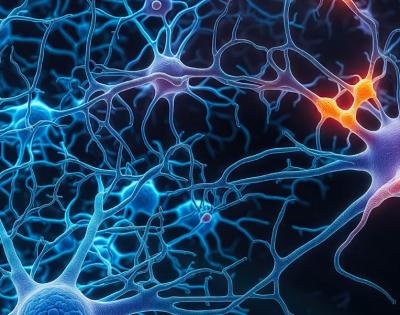
Findings support restored memory function by as much as 50% About 11% of the U.S. population 65 and older has been diagnosed with Alzheimer’s disease (AD), the most common form of dementia that results in memory loss and cognitive impairment, according to the Alzheimer’s Association. And the…

January 13, 2022
Case Western Reserve University-led research team discovers why some cases result in rapid decline and death An international team led by Case Western Reserve University School of Medicine has made a significant breakthrough in understanding why Alzheimer’s disease progresses so rapidly in some…
August 26, 2021
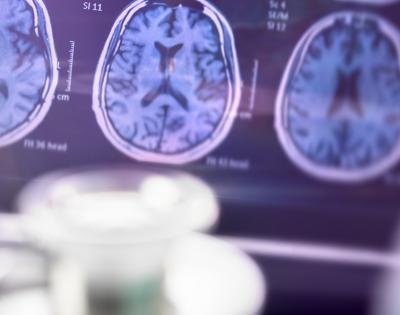
Center is one of 31 NIH-funded centers in the nation The National Institute on Aging of the National Institutes of Health (NIH) has awarded a grant expected to total $15.4 million to continue funding the Cleveland Alzheimer’s Disease Research Center. The new five-year award will support the…
July 08, 2021
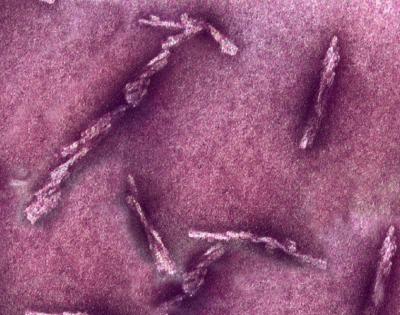
Researchers find new hints that could explain how the disease spreads in human brains Case Western Reserve University researchers studying human prions—misfolded proteins that cause lethal and incurable diseases—have, for the first time, identified surface features responsible for the replication…
January 19, 2021
A novel Alzheimer’s disease marker—coming early in progression of the condition—could open significant new fronts of research into possible therapies Researchers at Case Western Reserve University School of Medicine have identified a new target in development of Alzheimer’s disease (AD) that could…
January 08, 2021
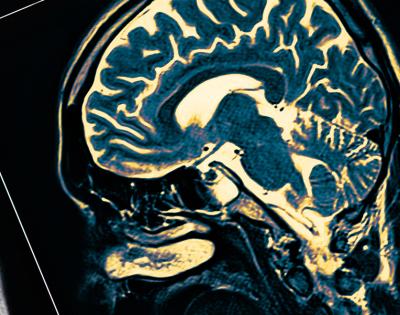
A team of researchers at Case Western Reserve University School of Medicine has taken a major step toward understanding the mechanisms involved in the formation of large clumps of tau protein, a hallmark of Alzheimer’s disease and several other neurodegenerative disorders. Their findings may help…
May 26, 2020
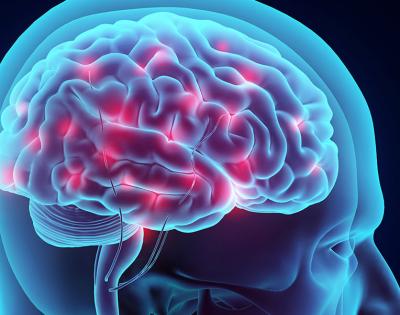
Researchers have harnessed the power of electronic health records to gain insight into the potential of inflammation-controlling medications to reduce a patient’s Alzheimer’s disease risk. Rong Xu Rong Xu, professor of biomedical informatics and director of the Center for Artificial Intelligence…
January 21, 2020
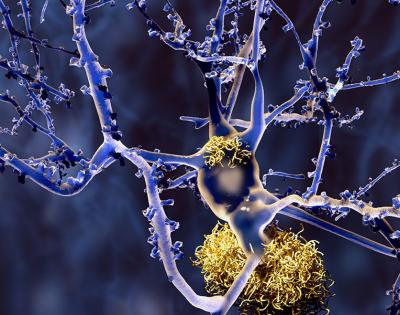
Case
Western Reserve University School of Medicine researchers say newly found
protein is bio-marker for disease; suggest suppression of ‘aggregatin’ could
lead to future treatments to slow Alzheimer’s progression Researchers at Case Western Reserve University School of Medicine say they have…
July 27, 2019
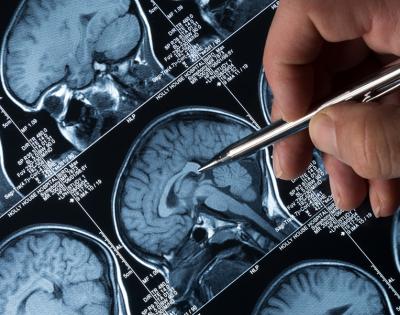
CWRU School of Medicine and UH Cleveland Medical Center study to measure the drug efavirenz’s potential improvement in people with early onset Alzheimer’s disease Case Western Reserve University School of Medicine and University Hospitals (UH) Cleveland Medical Center have enrolled their first…
July 09, 2019
New center to be one of 31 NIH-funded centers in the nation The National Institute on Aging of the National Institutes of Health awarded a $4.23 million grant to establish the Cleveland Alzheimer’s Disease Research Center. The two-year award will support the development of a multi-institution…