

release

January 18, 2018
Case Western Reserve University has been selected by the Arnold and Mabel Beckman Foundation to offer valuable research grants and extensive mentorship to undergraduate students in chemistry and the biological sciences. The university is one of just 12 institutions chosen nationally in 2018 to…
January 17, 2018
Investigators at Case Western Reserve University School of Medicine and University Hospitals Cleveland Medical Center have developed a simple, swallowable test for early detection of Barrett’s esophagus that offers promise for preventing deaths from esophageal adenocarcinoma. Barrett’s esophagus…

January 17, 2018
Researchers receive NIH grants to study Amish resilience and rapid onset Researchers from Case Western Reserve University School of Medicine have received two grant awards, in partnership with investigators from other institutions, from the National Institutes of Health to conduct major studies on…
January 11, 2018
Microscopic yeast have been wreaking havoc in hospitals around the world—creeping into catheters, ventilator tubes, and IV lines—and causing deadly invasive infection. One culprit species, Candida auris, is resistant to many antifungals, meaning once a person is infected, there are limited…

January 11, 2018
With a focus on gender, new NIH-funded research continues two decades of study at Case Western Reserve University into effects of prenatal cocaine exposure Teens whose mothers used cocaine during pregnancy are more likely to have aggression and attention problems—known predictors of later drug use…
January 10, 2018
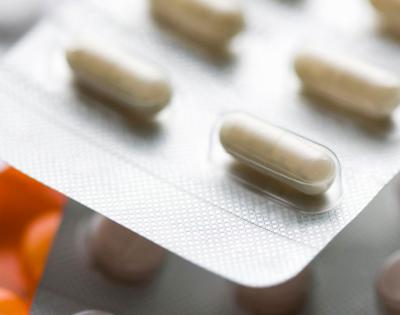
Researchers repurpose pain meds to kill cancer cells Researchers at the Case Comprehensive Cancer Center (CCCC) at Case Western Reserve University have helped develop a computer program to find new indications for old drugs. The computer program, called DrugPredict, matches existing data about…
January 09, 2018
Researchers from Case Western Reserve University School of Medicine and collaborators have received a five-year, $2.8 million grant from the National Institute on Aging to identify FDA-approved medications that could be repurposed to treat Alzheimer’s disease. The award enables the researchers to…

January 09, 2018
Sharona Hoffman, the Edgar A. Hahn Professor of Law at the Case Western Reserve University School of Law, is among 45 newly elected members of the prestigious American Law Institute (ALI). The 90-year-old institute comprises exceptional judges, lawyers and legal academics internationally. "It is…

January 09, 2018
Donor tissue can be stored for 11 days before transplantation—four days longer than current convention New national research led by Jonathan Lass of Case Western Reserve University School of Medicine has found that corneal donor tissue can be safely stored for 11 days before transplantation…

January 05, 2018
Alevca Ocular LLC has secured licenses from Case Western Reserve University’s Technology Transfer Office (TTO) to exclusively use university-funded research to develop and commercialize novel ophthalmological drugs. Alevca Ocular, an early-stage company based in San Clemente, California, has…