

Celebrating 200 Years of CWRU’s impact—and shaping the future
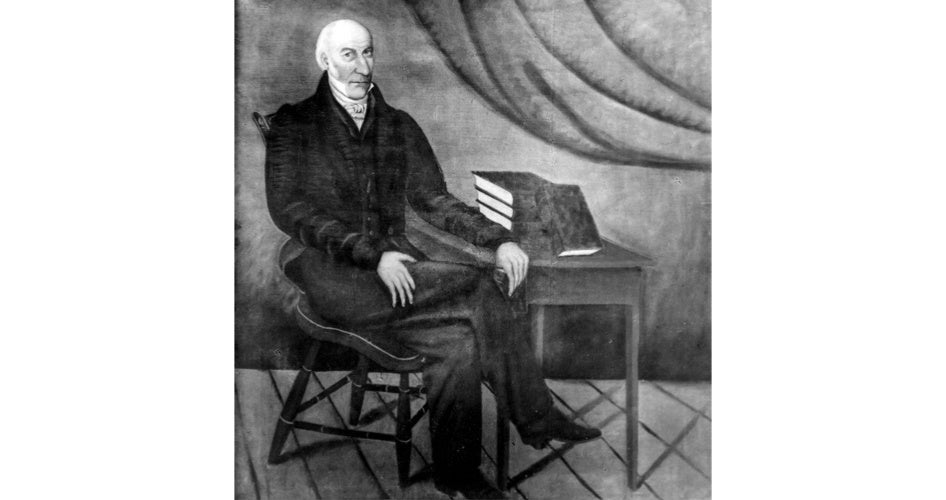
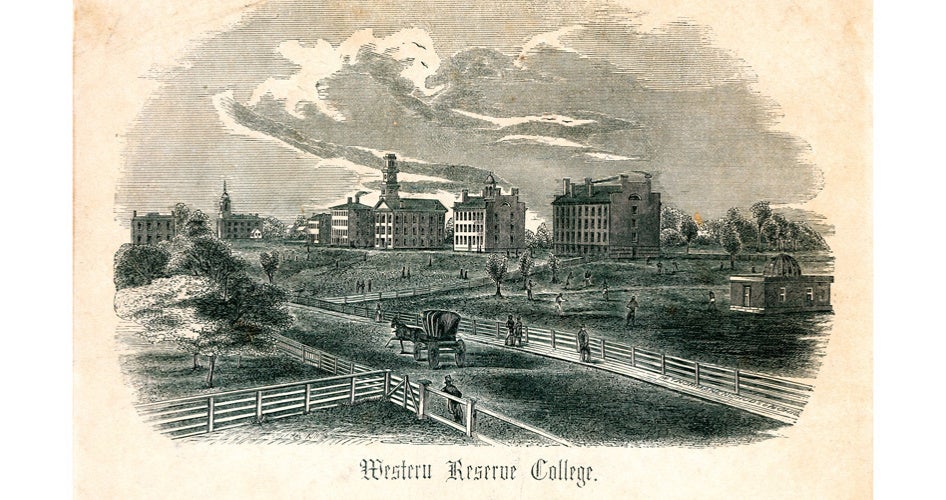
The dozen men who founded a college in the region once part of Connecticut’s Western Reserve were clergy and civic leaders from New England—pioneers who had come to the frontier with lofty aims.
They wanted to build an academic institution that could bring stature and vitality to their sparsely populated part of Ohio; one designed like the esteemed Yale College back east.
To be sure, it was ambitious. But what those founders of Western Reserve College began building in 1826 was distinctly their own: a liberal arts education grounded in civic purpose and disciplined intellectual inquiry.
That commitment was matched with a seriousness of academic purpose. The college’s core curriculum had courses rooted not only in the liberal arts but in chemistry, geology and astronomy. And by the late 1830s, the campus had an astronomical observatory that was the third of its kind in the country.
They chose Hudson over Cleveland not because its future seemed more promising—both towns had similar populations—but because Hudson’s citizens pledged financial support. From the beginning, the college was forged on partnerships: between ideals and resources; learning and action; and beliefs grounded in conviction and animated by a community that was a regional center of antislavery activism during the pre-Civil War years.
Indeed, the college’s own abolitionist movement—which included students and faculty—helped define its early character.
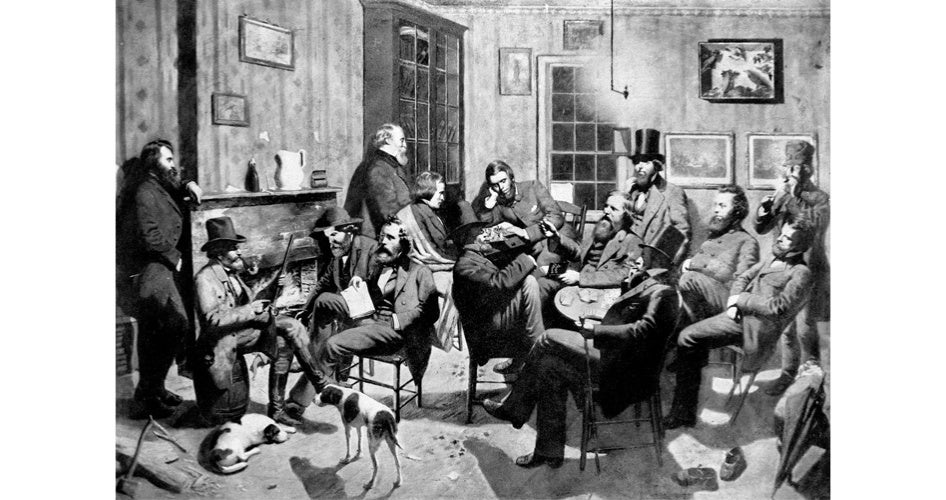
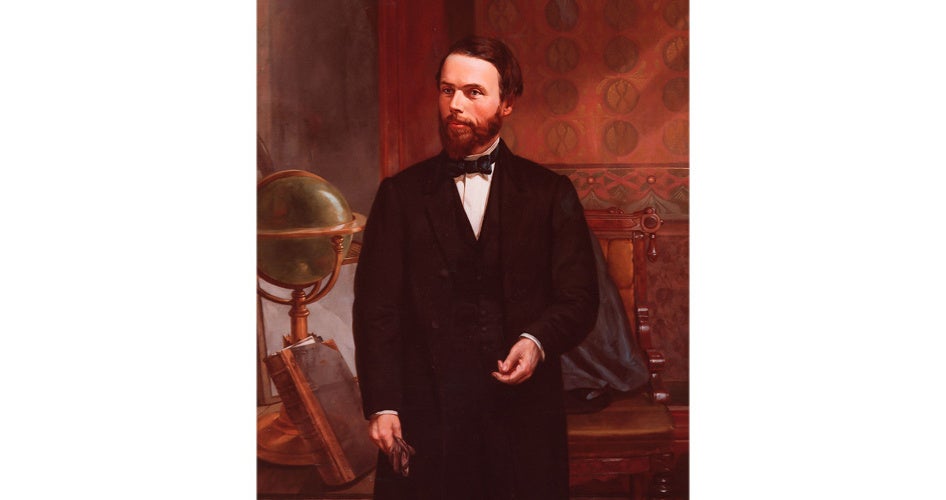
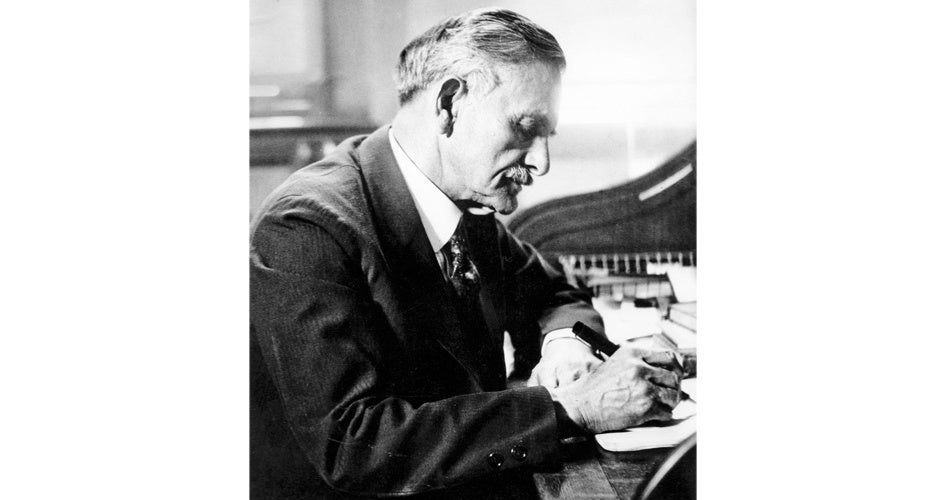
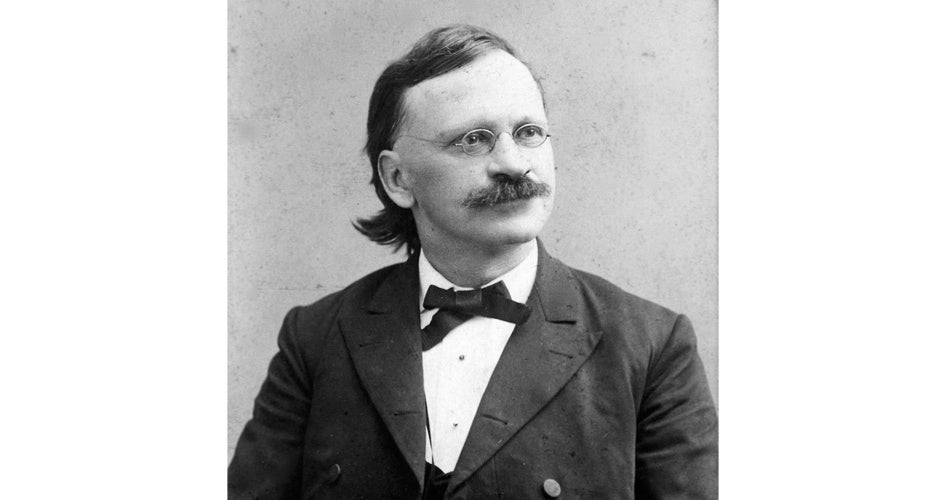
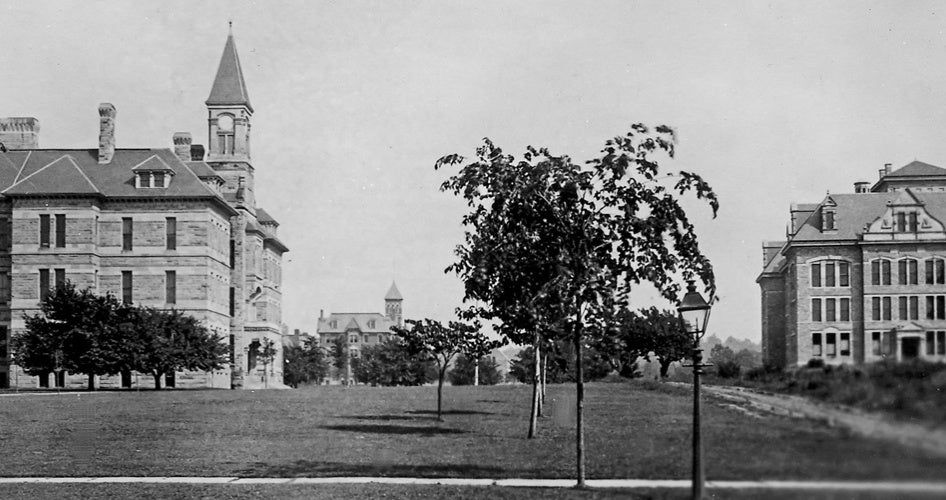
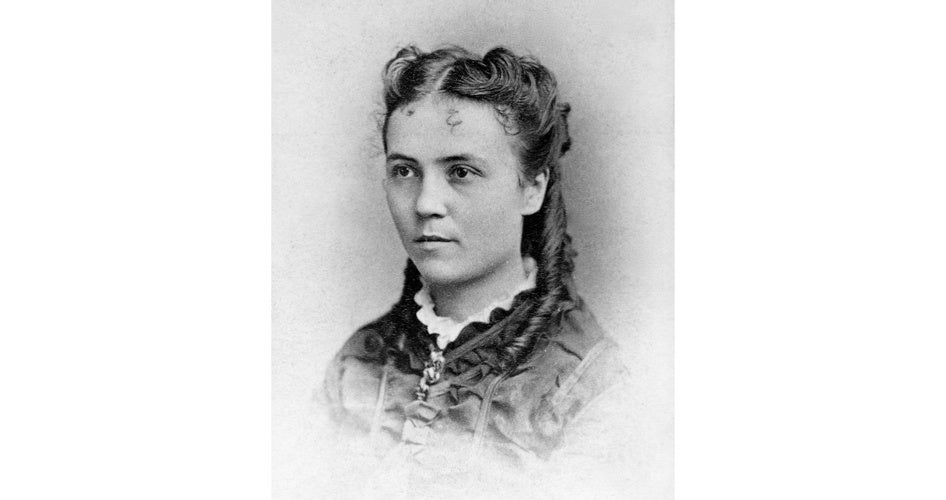
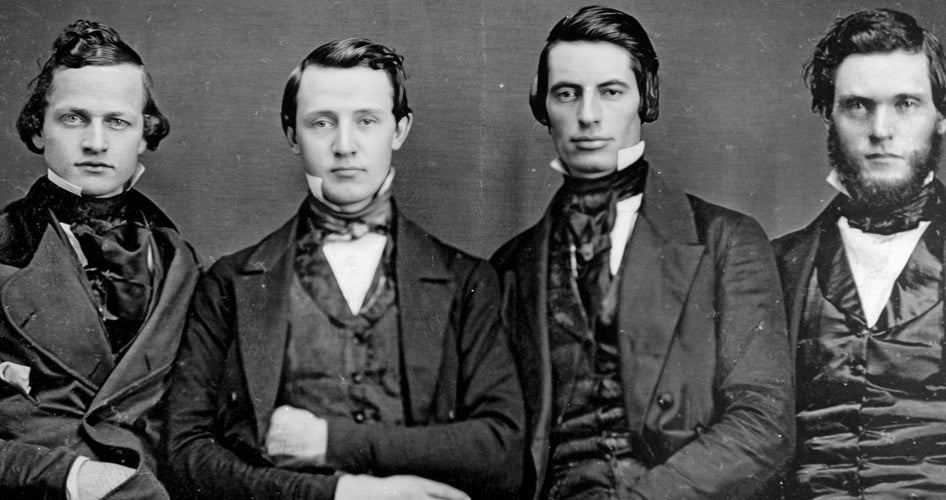
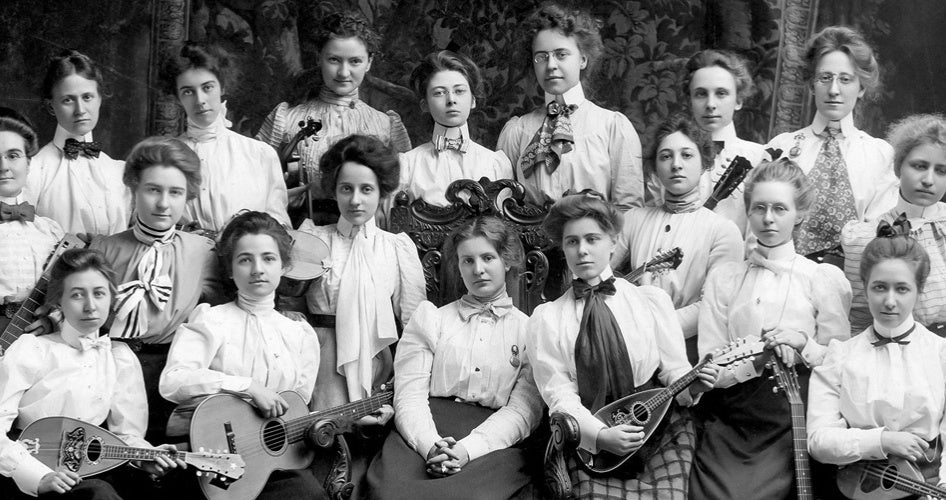
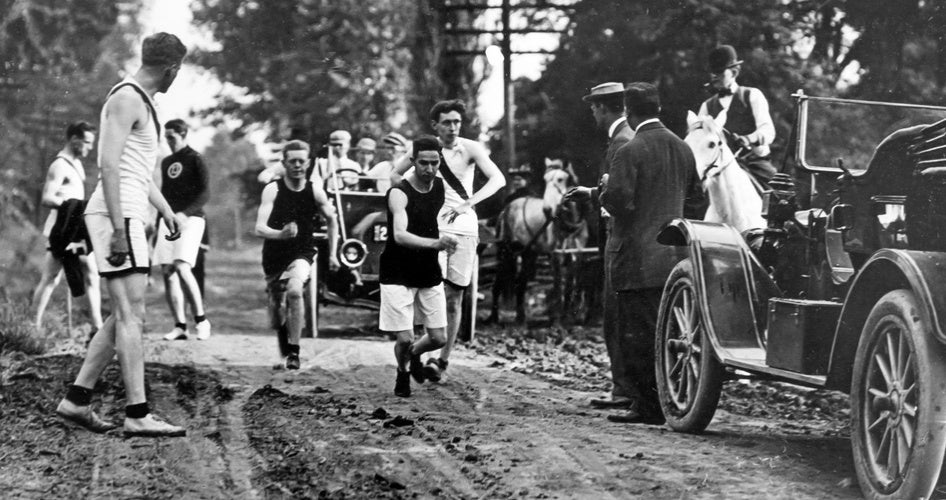
Separately, and nearly a day’s horseback ride away, a salon of scientific study took shape near Cleveland’s Public Square. In a small two-room building known as The Ark at the Leonard Case family homestead, young, well-educated men discussed natural history. The Ark drew entrepreneurs and industrialists who saw economic opportunity in science. Leonard Case Jr. participated for years, but he recognized that development of a school specializing in engineering and applied science was essential. He secretly made plans to endow such a school after his death. In 1880, Case School of Applied Science was established, considered the first independent technological school west of the Allegheny Mountains.
Two years later, Western Reserve College relocated to Cleveland—lured by the city’s scale, civic energy and a sizable gift from Amasa Stone—and became Adelbert College of Western Reserve University. Stone, an industrialist, also stipulated that Case School of Applied Science move to adjacent property, which it did in 1885. By then, the two schools had established enduring approaches: education tied to public responsibility, inquiry shaped by application, and philanthropy that sustained operations and created impact across generations.
Expanding the missions
As Cleveland rose to be one of the country’s largest industrial cities in the early 1900s, the role of academia expanded as well. Formal education increasingly included the application of knowledge to solve problems, not just study them. The next era of Western Reserve University (WRU) and Case School of Applied Science unfolded at the intersection of industrial growth, civic need and applied scholarship.
The two institutions maintained separate identities on adjacent land, divided for decades by a fence, in what would become University Circle. Amasa Stone’s gift had called for the proximity, but the schools remained cooperative rivals—and a partnership was still decades away.
This period marked a decisive broadening of both institutions’ missions.
Western Reserve significantly expanded with graduate schools that are still part of the modern-day CWRU and others that are not, including pharmacy, architecture, education and library science. In 1924, WRU School of Medicine launched a new era to meet changing civic and academic needs. It moved to a large, well-equipped new building in University Circle, sharing a campus with University Hospitals to better integrate education, research and clinical care.
At Case, the expansion included graduate education and more humanities courses. And at both Case and the medical school, faculty advanced applied research to address issues such as air pollution and unsanitary drinking water.
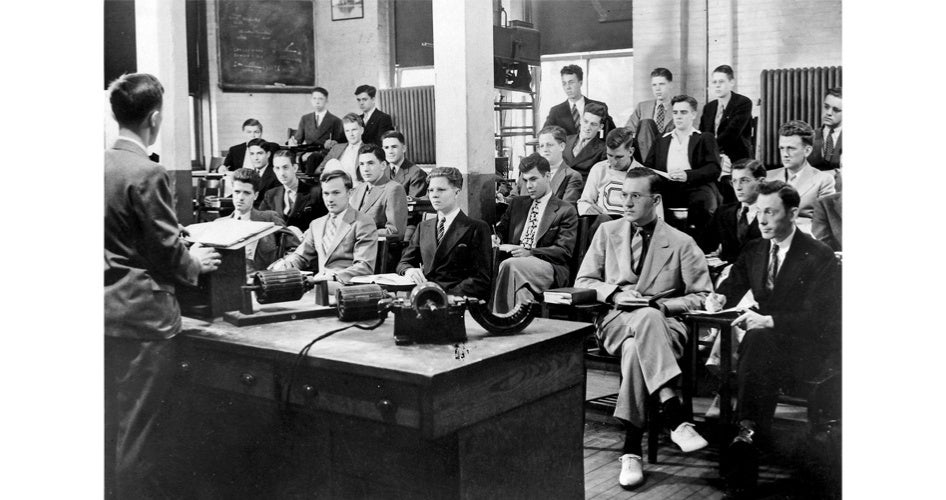
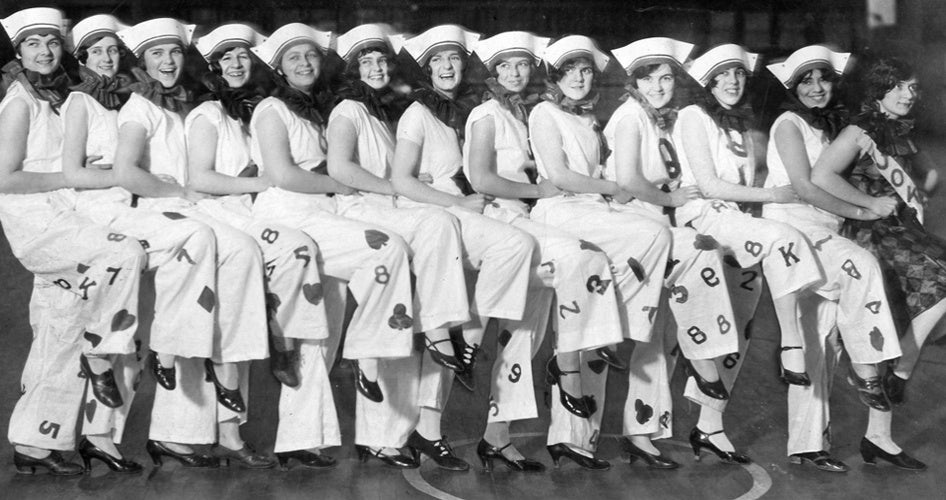
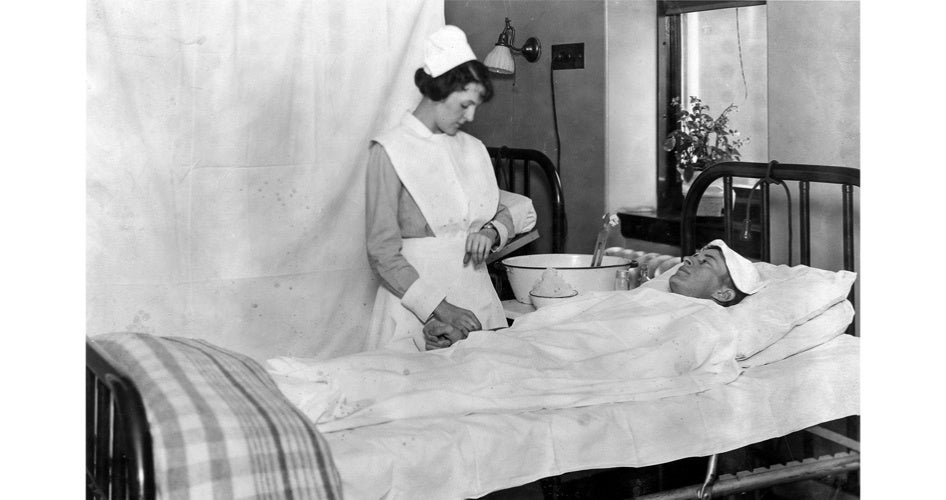
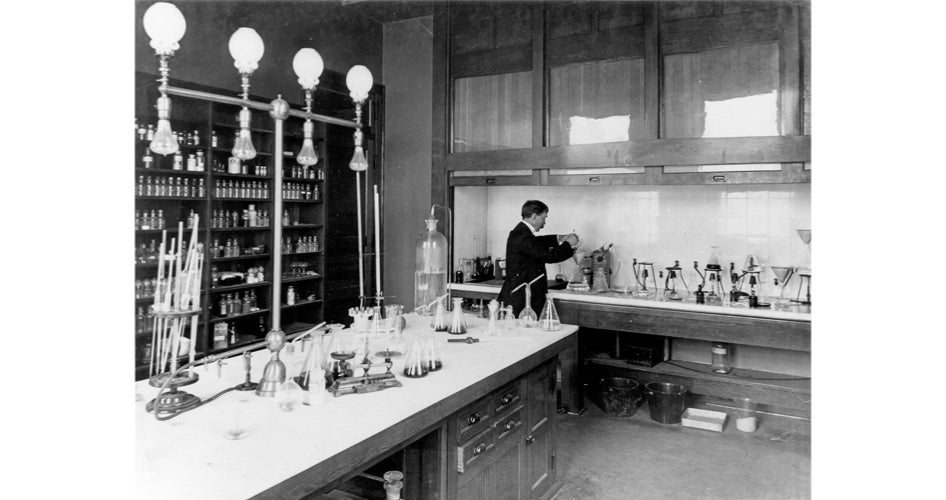
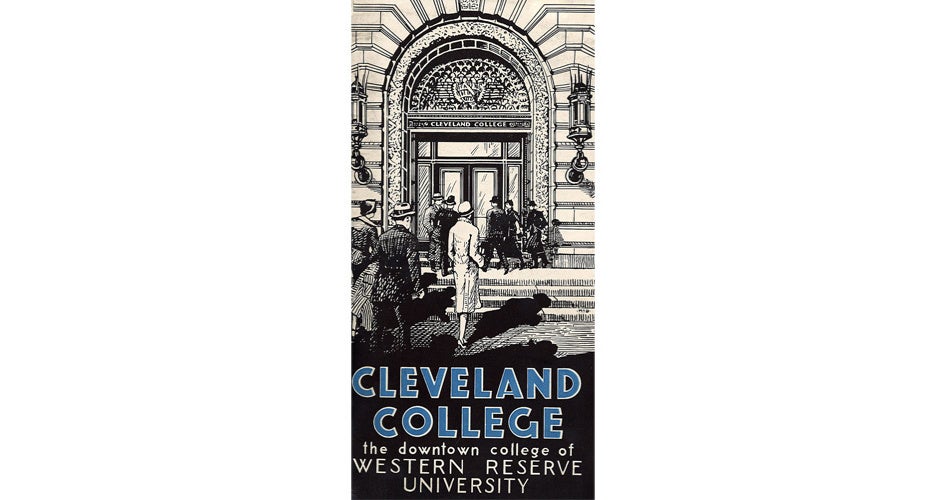
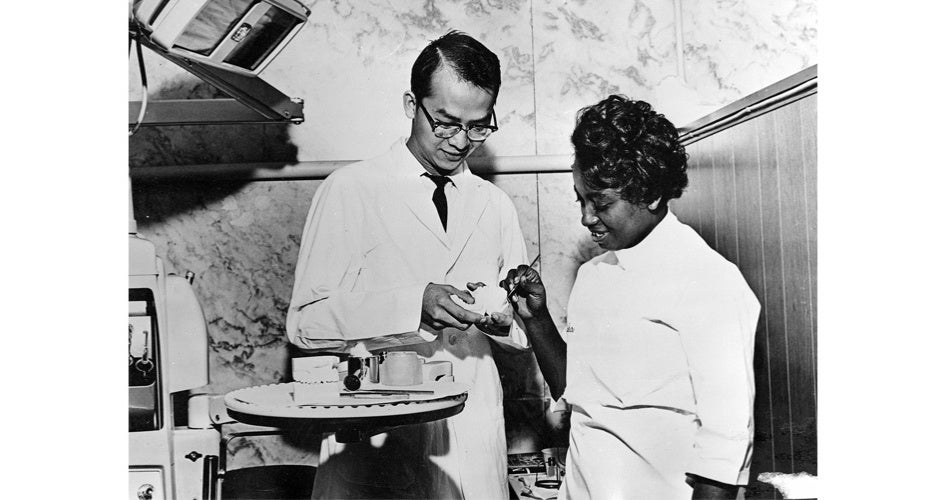
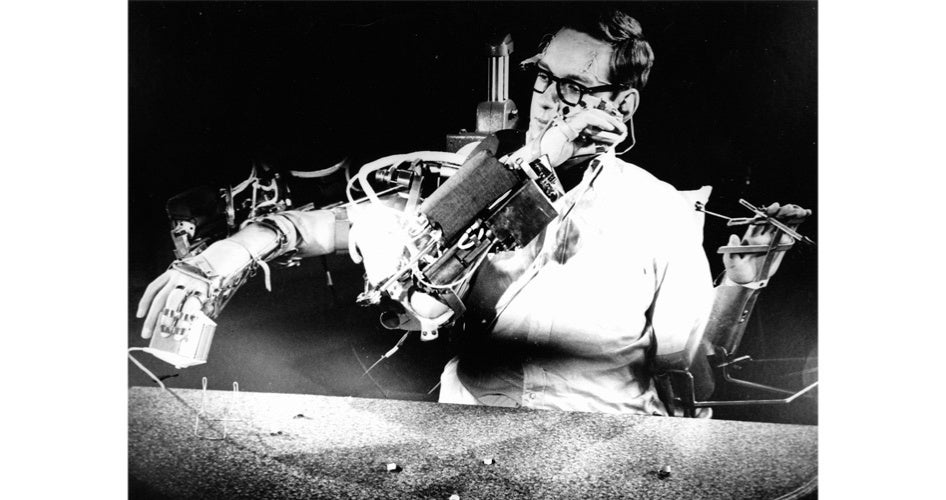
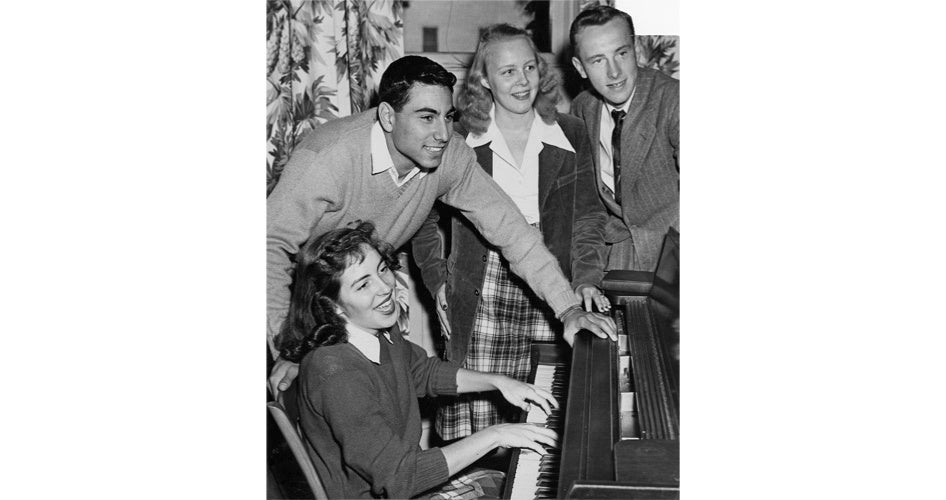
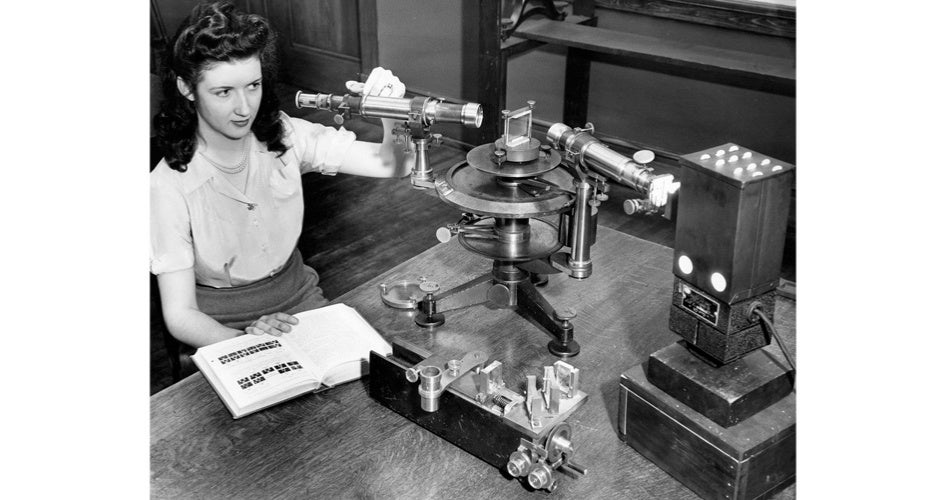
University Circle grew alongside the campus with an increasing concentration of educational, medical and cultural institutions. The schools became connectors and developers within that ecosystem. They even joined forces in 1925 to create Cleveland College for adults, recognizing that education was a lifelong process.
The upheaval of the Great Depression and World War II roiled the campus along with the rest of the country. The war also positioned faculty research—particularly in fields within engineering and medicine—as essential to the national defense. Case became Case Institute of Technology in 1947, reflecting its widening mission, and added new interdisciplinary centers. After the war, the federal government established a compact with what became known as “research universities,” recognizing their expertise propelled scientific, medical, and technological breakthroughs and innovations that improved the economy and helped safeguard national security. In addition, the GI Bill brought waves of veterans to both campuses and Cleveland College specifically, fundamentally expanding who higher education served.
Periodic calls for a merger of the neighboring institutions faced resistance for decades. But eventually, leaders recognized that what the institutions could become together far surpassed what either would achieve alone.
A unified force
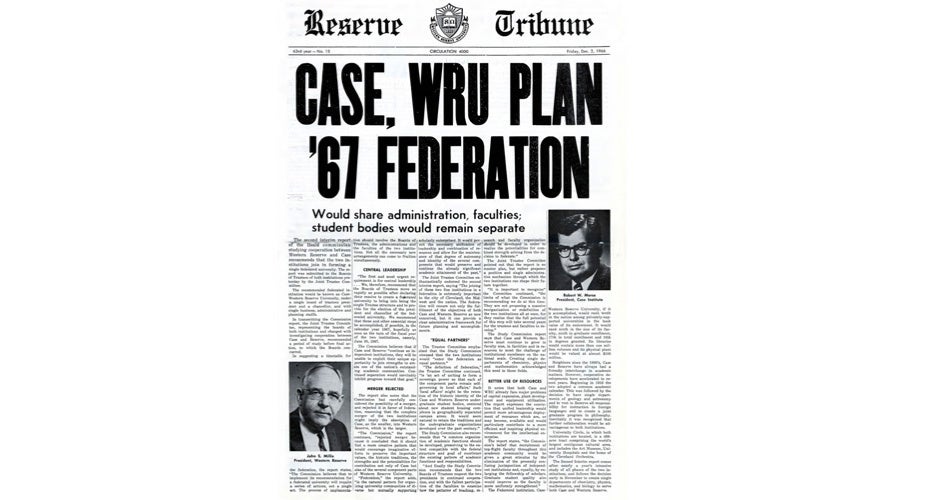
After 80 years as academic next-door neighbors, Western Reserve University and Case Institute of Technology federated on July 1, 1967.
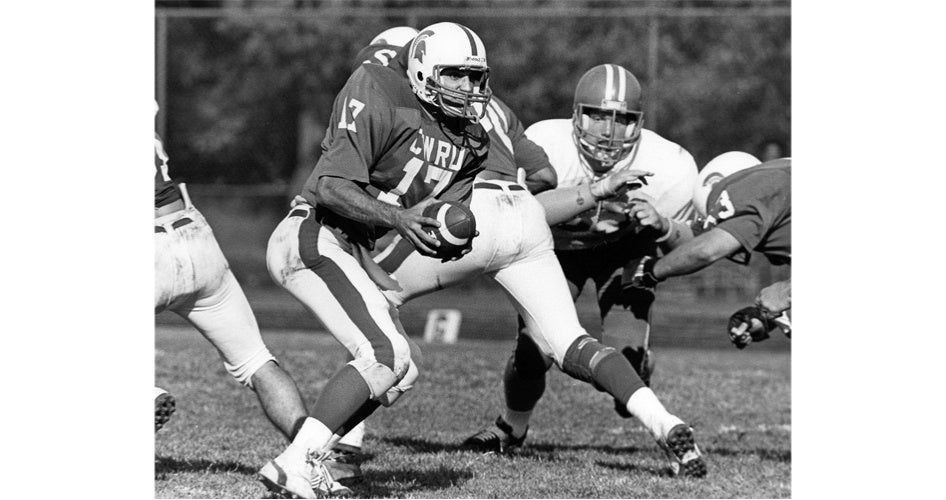
But truly integrating as one institution that had two of everything—administrations, faculties, histories, loyal alumni and identities—into Case Western Reserve University took decades, and left some amount of bitter feelings. Even the football teams kept playing each other into the fall of 1969, giving rise to the wry observation: “If we win, we lose; if we lose, we win.”
What emerged was a research university fluent in complexity—one that drew strength from intersections rather than silos. Engineering and medicine, science and humanities, law and public health began to inform one another in sustained and intentional ways. Joint degrees followed. The most pressing questions, university leaders knew, did not arrive neatly sorted by discipline.
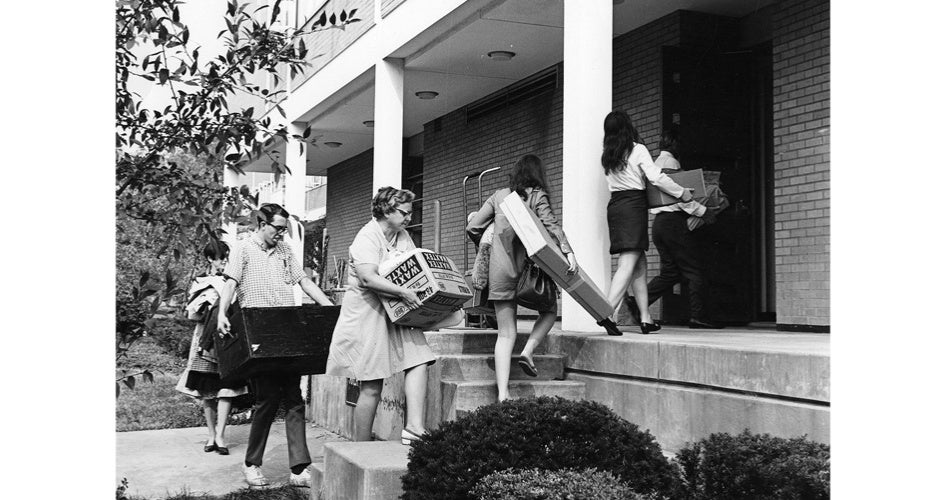
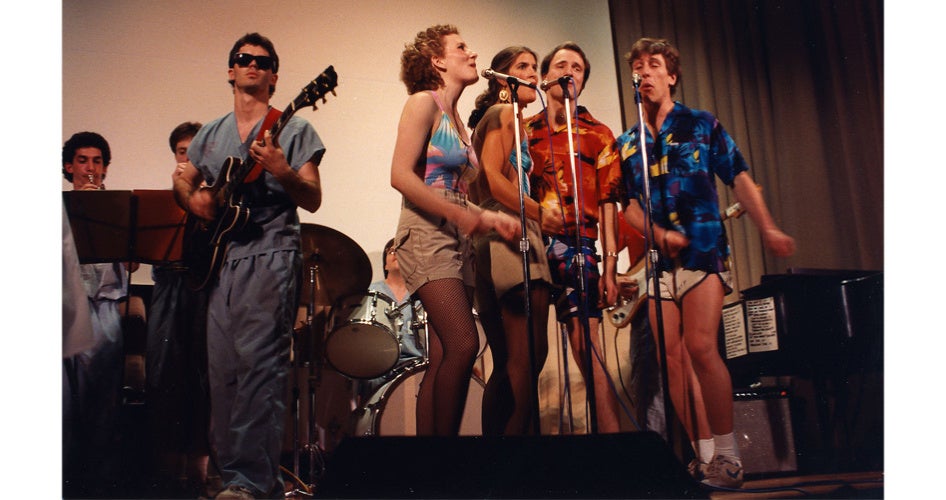
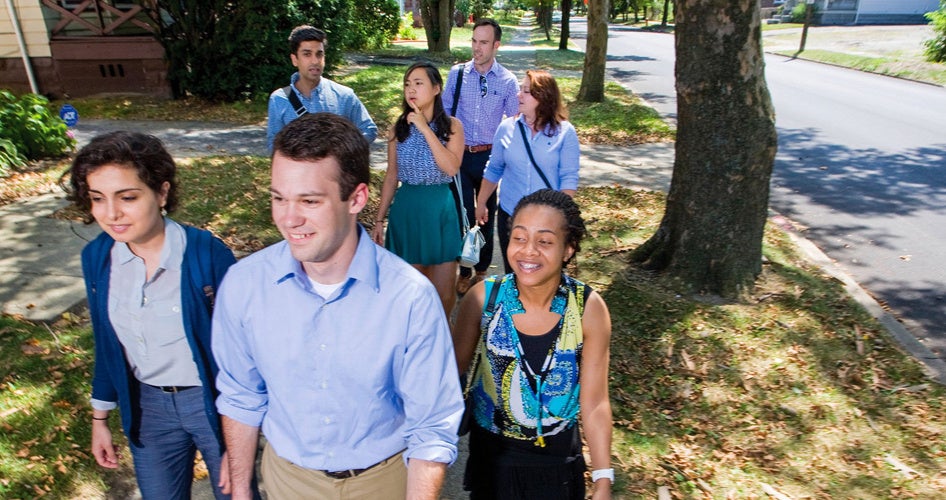
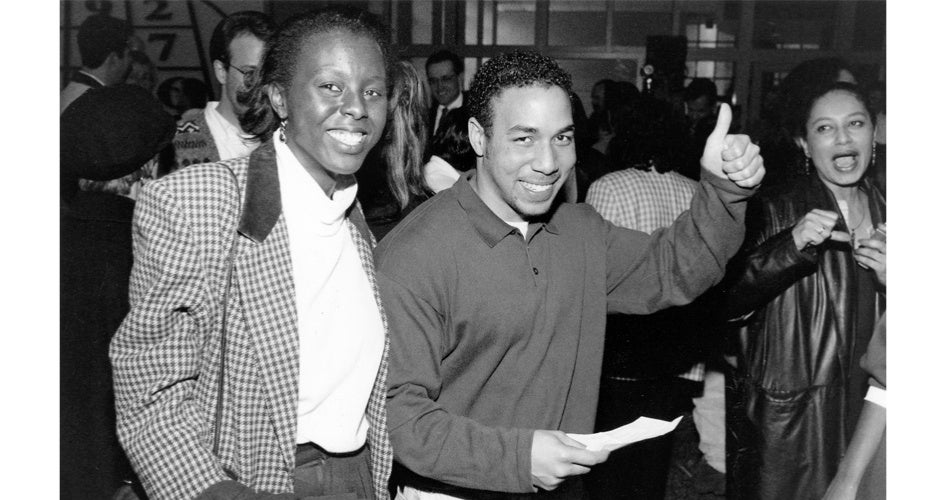
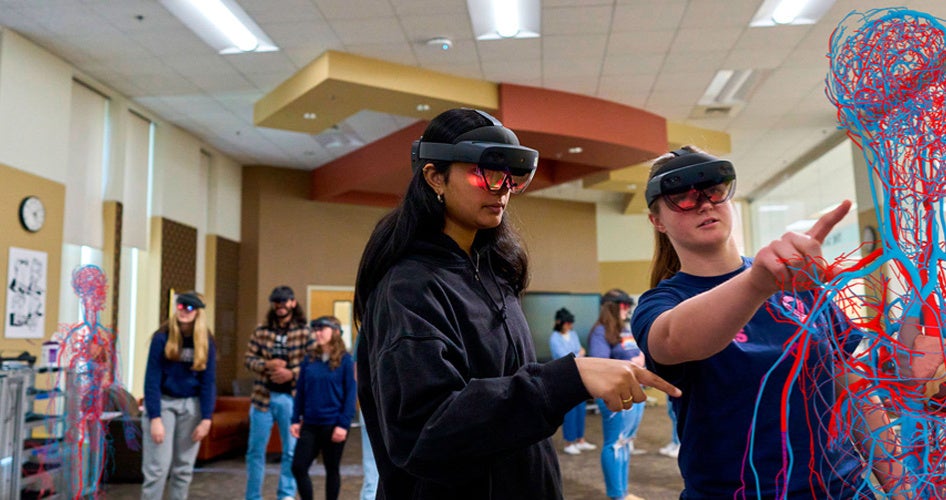
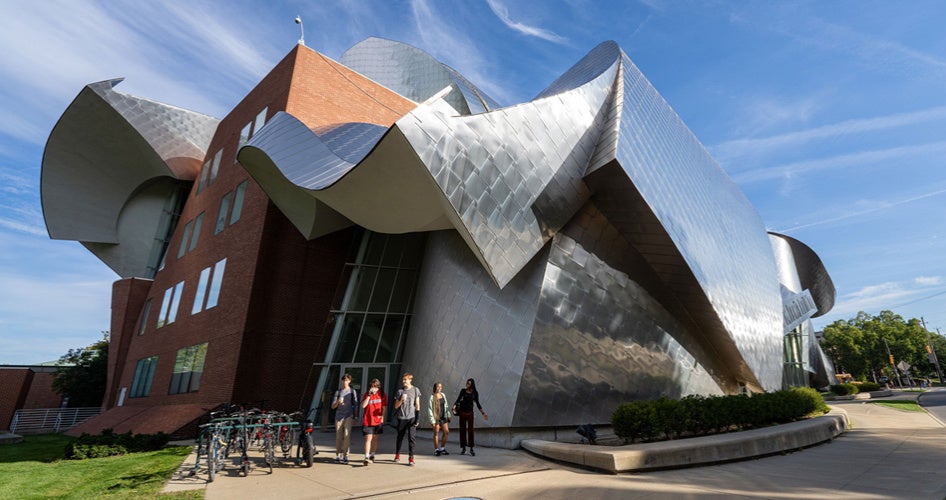
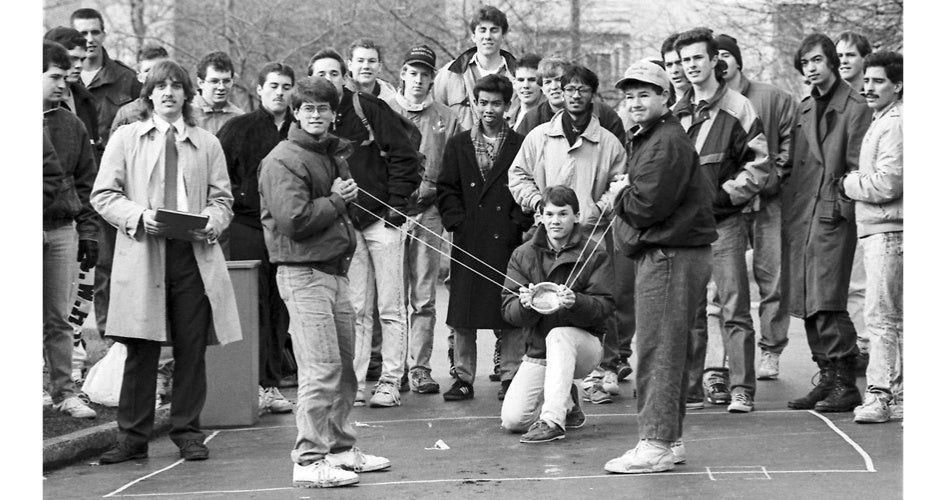
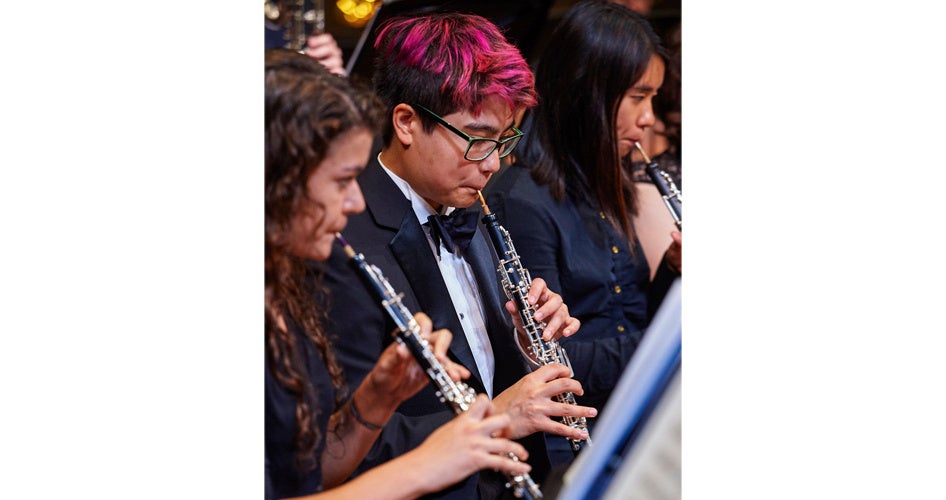
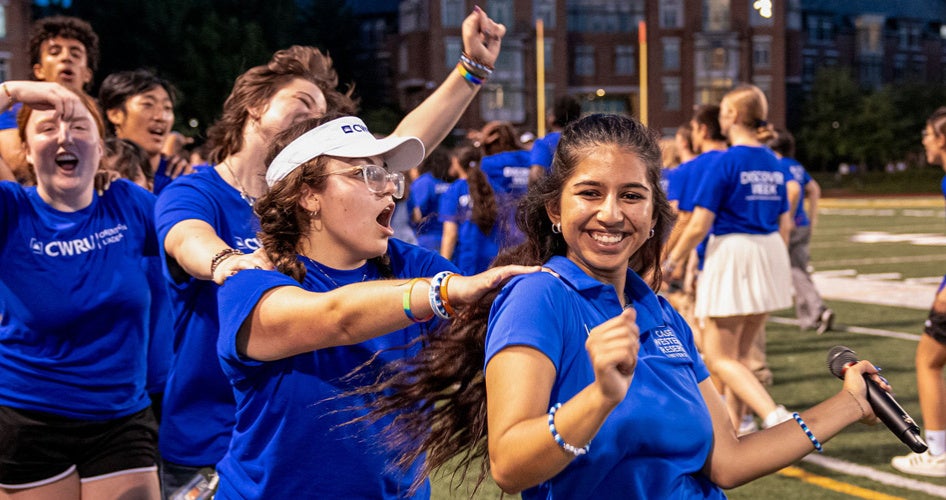
The campus community continues to engage beyond its borders. For six decades, the university has helped prepare low-income and potential first-generation college students, especially those from Cleveland and East Cleveland, for college. And partnerships with area hospitals, cultural institutions, neighborhoods and public agencies deepened to expand research and benefit residents.
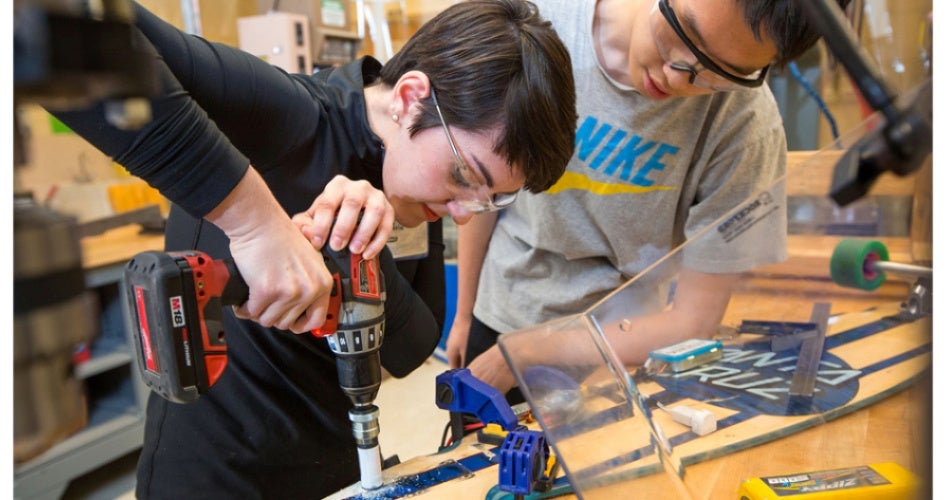
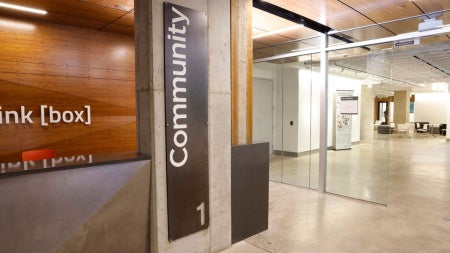
Impact defines the university—and increasingly comes from collaborations no single person could accomplish alone. The Larry Sears and Sally Zlotnick Sears think[box], the nation’s largest publicly accessible innovation center and makerspace, attracts thousands of students and creators from the community to use its tools and draw inspiration from its can-do culture of exploration and experimentation. And every year, more graduates join CWRU’s network of alumni making a difference.
CWRU celebrates its bicentennial as the #1 fastest-growing research university in the Association of American Universities. TIME magazine recently ranked it in the top 25 universities in the United States for long-term impact on students and society. And in April, Forbes named the university to its list of “New Ivies,” a group of 20 colleges and universities recognized for graduating students highly sought by employers.
The university is also making significant progress on key priorities. It is an economic driver for the region—generating jobs, attracting talent and molding new ideas into opportunities to better the community. Faculty are expanding and elevating academic offerings; researchers are making major discoveries in areas from Alzheimer’s disease to electrochemical engineering; and CWRU has opened new centers in Cleveland neighborhoods that meet people where they live to provide more programs and services.
Today, Case Western Reserve is a university where collaborations replace boundaries, exploration is instinctive, and impact results from problems solved, solutions built and possibilities created.
CWRU Magazine editors are grateful for the ideas, reviews, research and photographs provided by the knowledgeable and detail-oriented staff at CWRU Archives who were generous with their time: University Archivist Helen Conger (GRS ’89, history), Archivist Julia Teran and Project Archivist Benjamin Bowers. Thank you to the Dittrick Medical History Center at CWRU and its staff for archival papers, photographs and expertise. We also relied on stories contained in Beyond the Fence: A Social History of Case Western Reserve University (Case Western Reserve University, 2014) by Richard E. Baznik, CWRU’s vice president emeritus for public affairs, and Celebrating 200 Years of Case Western Reserve University by Kathryn E. Merchant (Orange Frazer Press, 2026).
![Case Western Reserve's Larry Sears and Sally Zlotnick Sears think[box] makerspace](/news/sites/default/files/styles/secondaryfeature/public/2026-02/P7_2I0A6544_No_Credit.jpg?h=b8626526&itok=qaHjmrtJ)