Cleveland researchers discover nitric oxide rewires gene expression in the brain, offering new insight into Alzheimer’s disease
New study from Case Western Reserve University and University Hospitals shows loss of nitric oxide in Alzheimer’s brains; Published in ‘Molecular Cell’
Genes undergo extensive editing through a process called alternative splicing, which greatly increases the size of the functional genome—the working portion of our DNA that helps make each person unique. Put simply, a single gene can be edited in different ways to produce multiple sets of instructions. This helps explain why humans differ so significantly from fruit flies and mice, despite having a similar number of genes.
In a new study, published May 21 in Molecular Cell, researchers from Case Western Reserve University and University Hospitals and found that nitric oxide—a gas naturally produced in the body—can broadly regulate alternative splicing, dramatically altering how genes function.

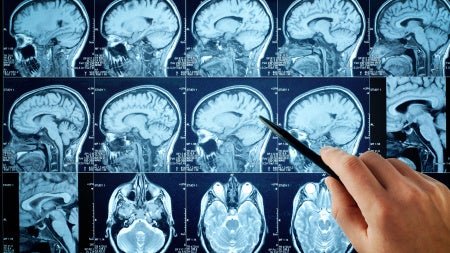
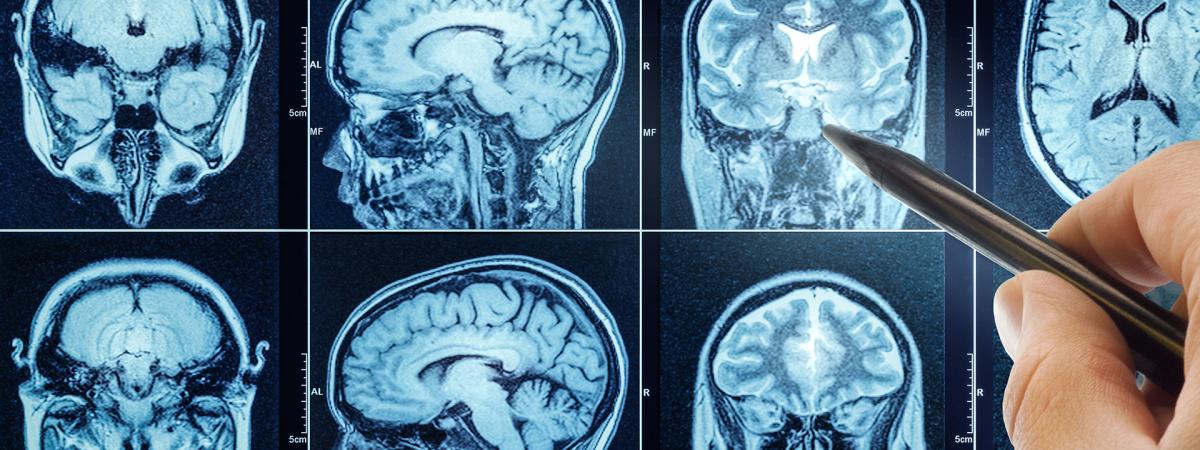
“We further showed that nitric oxide levels are decreased in the brains of patients with Alzheimer’s disease, and that this loss of control over gene splicing correlates with worse clinical outcomes,” said lead author Jonathan Stamler, president and co‑founder of Harrington Discovery Institute at UH and Distinguished University Professor and the Robert S. and Sylvia K. Reitman Family Foundation Chair of Cardiovascular Innovation at the Case Western Reserve School of Medicine. “In other words, lower nitric oxide levels lead to reduced gene-splicing activity, which is associated with increased plaque buildup and more rapid memory loss.”
The research team also found that specific enzymes remove nitric oxide from brain proteins that regulate splicing, creating a nitric oxide–deficient state. The findings suggest that targeting these enzymes could represent a new therapeutic strategy to restore nitric oxide levels in the brain and potentially treat Alzheimer’s disease.
“Interestingly, the Alzheimer’s field has long believed that nitric oxide levels were too high and contributed to the disease,” Stamler added. “This new discovery changes that paradigm.”
Next steps in this research will include studies in animals with new classes of enzyme inhibitors, which should restore nitric oxide in the brain and drive healthy splicing of genes.