

Alzheimer's disease
September 16, 2026
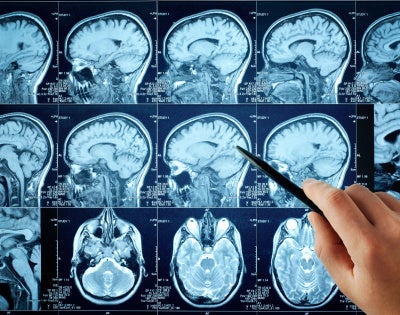
Center is one of 37 NIH-funded centers in nation
July 09, 2026
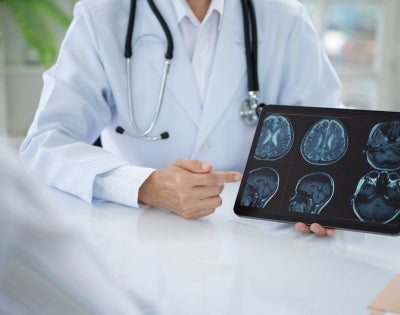
New study from University Hospitals, Case Western Reserve University and the Cleveland VA published in 'Redox Biology'

May 26, 2026
At Case Western Reserve University School of Medicine, researchers are advancing on a goal that once seemed unthinkable: reversing neurodegenerative diseases such as Alzheimer’s, multiple sclerosis and ALS. Together, these and other progressive neuronal diseases affect an estimated 57 million…

May 26, 2026
New hope for breathing recovery after spinal cord injuriesStory By: Patty ZamoraAbout 300,000 Americans live with spinal cord injuries, and related respiratory complications are the leading cause of illness and death, according to the Christopher & Dana Reeve Foundation. But a new study led by…
May 21, 2026
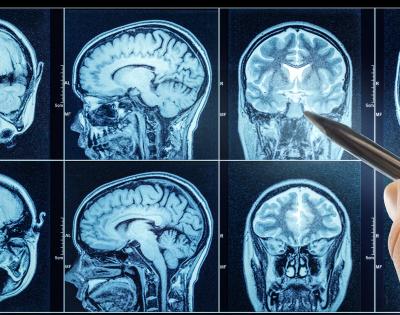
New study from Case Western Reserve University and University Hospitals shows loss of nitric oxide in Alzheimer’s brains; Published in ‘Molecular Cell’
May 13, 2026
CAMPUSCWRU is #1 fastest-growing research university Story by: Lydia CoutréCase Western Reserve University ranked first for research growth in the Association of American Universities (AAU), according to the latest data from the National Science Foundation (NSF) on research expenditure growth.The…
January 09, 2026
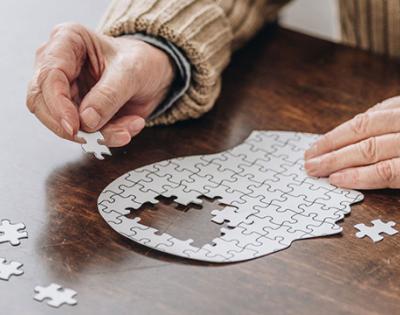
For millions, a dementia diagnosis comes with preconceived notions of fear, loss and burden—stigmas written by decades of media and cultural depictions that Case Western Reserve University researchers are determined to rewrite in a recently published special issue of The Hastings Center…
November 25, 2025
Getting treatment within one week of a serious head injury can reduce the risk of developing Alzheimer’s disease by up to 41%, according to new research from Case Western Reserve University. The researchers suggest the findings could change how emergency rooms and hospitals treat traumatic brain…
May 28, 2025
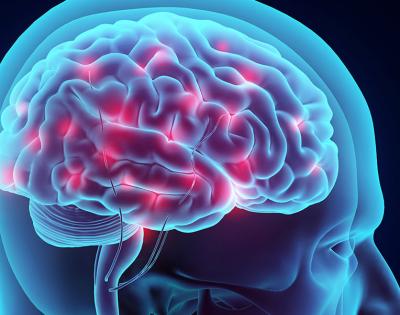
Drug developed by Case Western Reserve University researchers found to protect ‘guardian of the brain’

March 11, 2025
Joanna He traces her career aspirations in neuroscience back to a single elementary school project. Her class project on Alzheimer’s disease introduced her to the hippocampus—the part of our brains responsible for memories—and sparked her interest in the brain. Her curiosity was furthered by her…