5 questions with nursing's Greg Gardner, Class of 2026
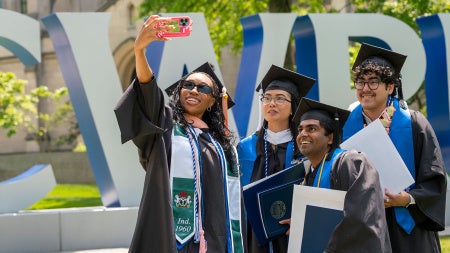
For students at Case Western Reserve University Frances Payne Bolton School of Nursing, graduation is a moment to pause and take stock of just how far they’ve come. What began as a pursuit of science and skill evolved into something more—an understanding of the responsibility that comes with caring for patients and improving lives, one interaction at a time.
Along the way, long hours in the clinic and classroom, collaboration with peers and mentors, and hands-on experience shaped not only their nursing knowledge but also their confidence and perspective.
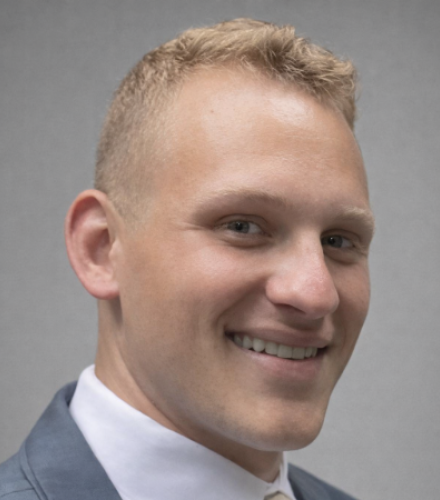
As members of the Class of 2026 look ahead to the next chapter, many are also reflecting on the experiences that defined their time at CWRU. Here, we spoke with Doctor of Nursing Practice (DNP) nurse anesthesia student Greg Gardner, a native of Chelmsford, Mass., about what he will take from his time at CWRU—and what lies ahead.
Answers have been lightly edited.
1. What initially drew you to CWRU?
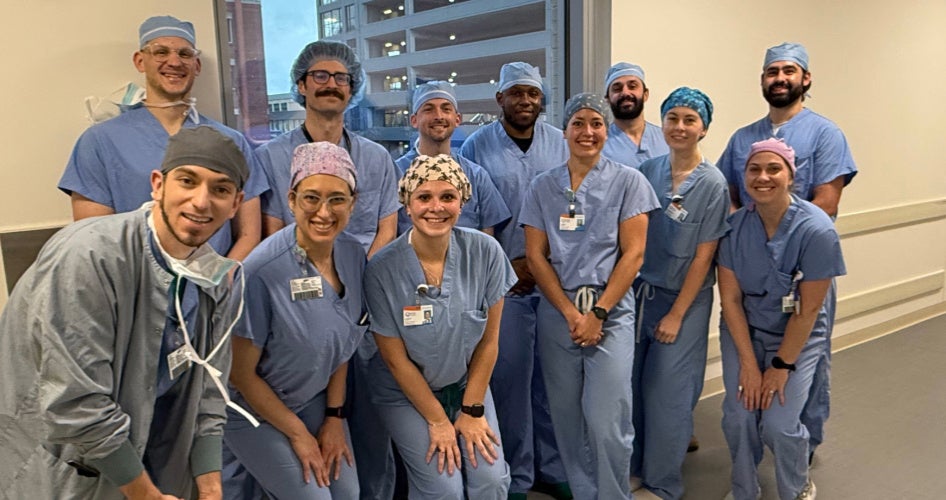
What initially drew me to Case Western Reserve University was the strength of its clinical training and the autonomy certified registered nurse anesthetist (CRNA) students gain, especially at sites like Summa Health. The QZ billing model there really stood out to me—CRNAs practice independently across a wide range of cases, including obstetric, cardiothoracic surgery and regional anesthesia. I wanted a program where I’d get extensive hands-on experience and be pushed to practice independently, and CWRU clearly offered that.
2. What course or campus experience shaped your education most?
A combination of my advanced anesthesia coursework and my clinical training shaped my education the most. The coursework gave me the foundation to understand complex physiology and pharmacology, while the clinical environment allowed me to apply that knowledge in high-acuity surgical situations. That combination really helped bridge the gap between theory and practice.
3. What is your favorite memory as a student at CWRU?
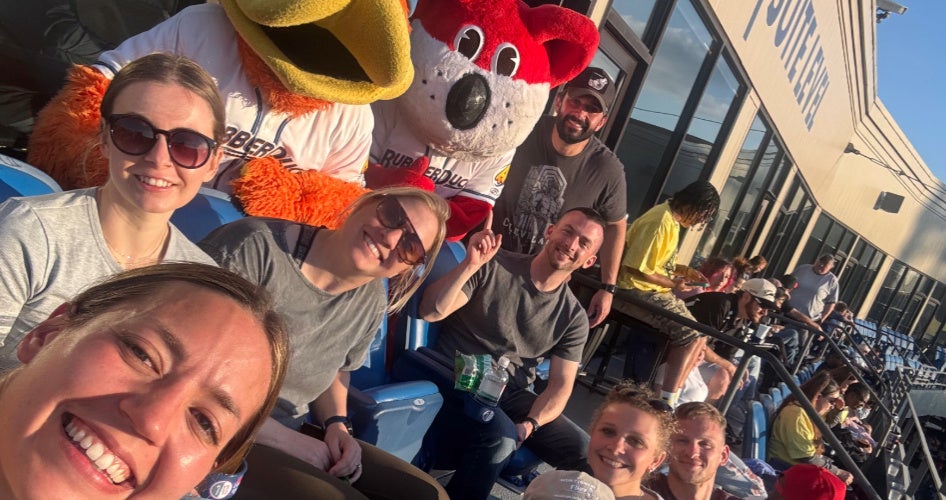
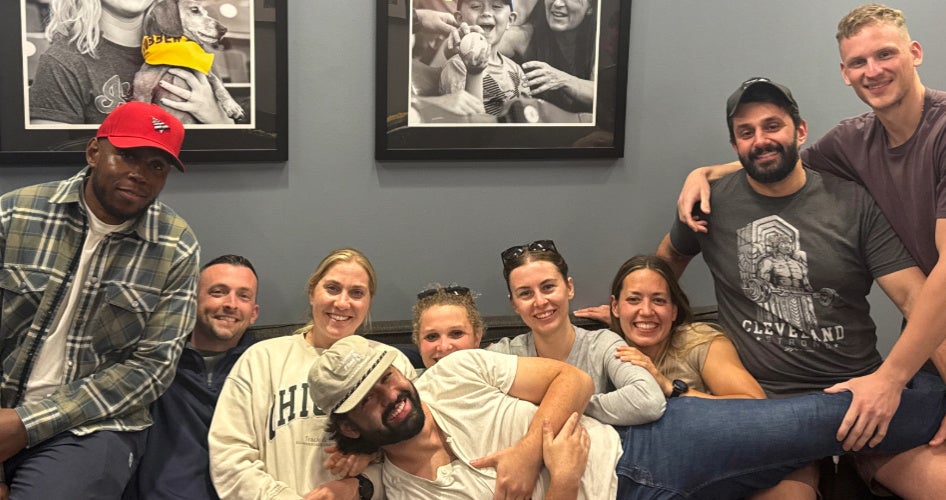
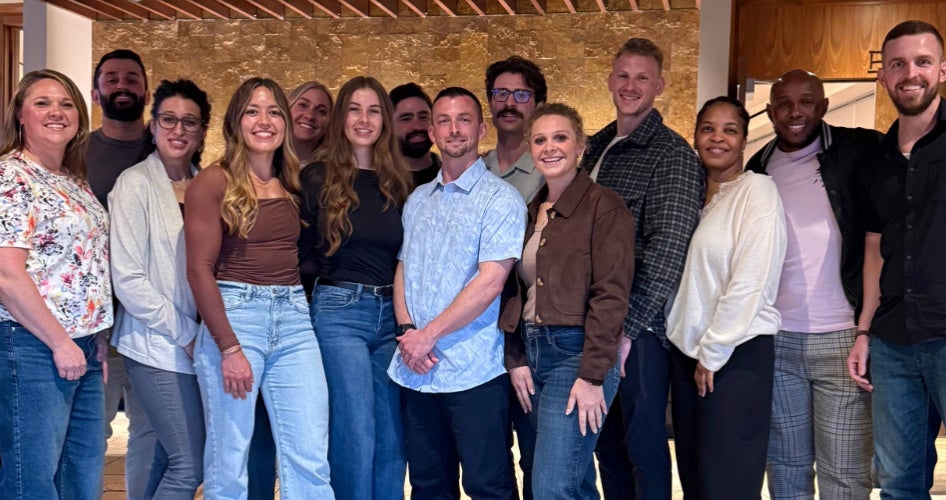
My favorite memory was celebrating the end of didactics with my class at the end of the semester. It was a moment where we could all relax, reflect on how far we’d come and enjoy the friendships we built along the way.
4. What’s next for you after graduation?
After graduating from CWRU, my plan is to start working as a CRNA in a high-acuity setting in Boston, where I can continue building on my training.
5. What advice would you give to new students in your program?
My advice would be to embrace being uncomfortable at first. The learning curve at CWRU is steep, but that’s what makes the training so strong. Lean into your clinical experiences, seek feedback and focus on gradual improvement. You’ll be surprised how quickly things start to click. You will inevitably feel very tired, and that’s okay. Your brain is working overtime as you learn and adapt.