
Seasonal affective disorder and the time change
Daylight saving time ends at 2 a.m. on Sunday, Nov. 1.
We turn our clocks back one hour. Maybe gain an extra hour of sleep. And, for some, the earlier sunsets and gradually less daylight can trigger a general feeling of being down.
The syndrome is appropriately known as “SAD,” for seasonal affective disorder. By some estimates, SAD affects about 5% of the U.S. population—mainly in northern climates (often referred to as “the winter blues,” but not exclusively.
So why does it hit some of us and how best to manage it?
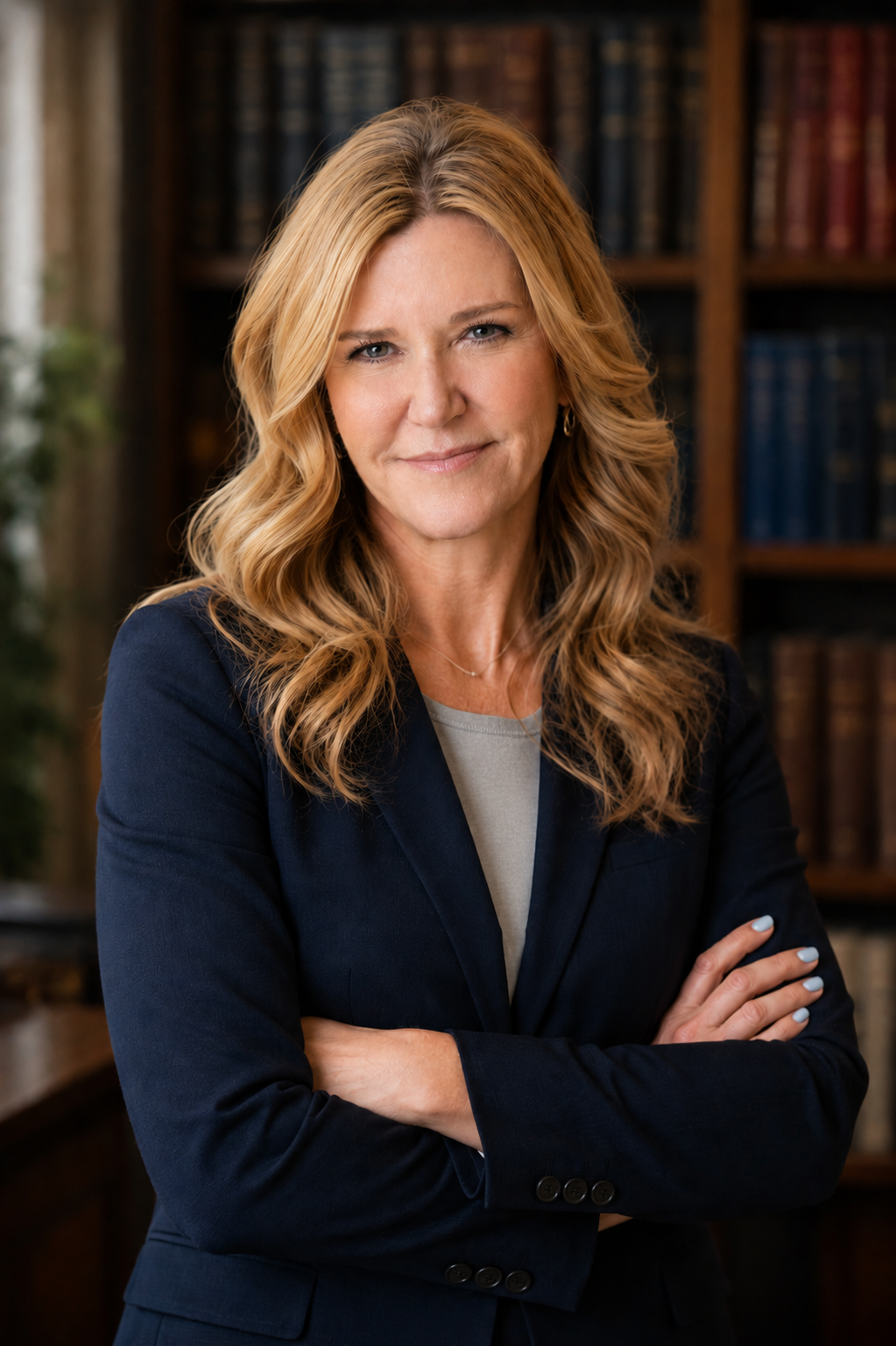
Eileen Anderson, the Anne Templeton Zimmerman MD Professor in Bioethics at Case Western Reserve University School of Medicine, helps us understand.
What is SAD and its symptoms?
SAD is seasonal affective disorder. It's a great acronym for what it is. Seasonal affective disorder is something we're understanding better year after year, but, generally, it is a seasonal pattern of what we most typically associate with depression. It can be depressed mood, having a really hard time getting going, getting out of bed, sometimes a craving for carbohydrates, increased irritability and just a harder time living your everyday life.
How common is it?
SAD is fairly common. It depends on your climate. So, in more northern climates that get less sunlight in the fall and winter months, it is fairly common, although what's important to remember is there's a lot of individual difference. So many people—some studies suggest the majority of people—may feel certain symptoms of SAD without a full-blown diagnosis.
SAD really can be thought of as a disorder of daylight. So getting out in the morning and taking a little walk or being exposed to daylight, that really gives our bodies and several important systems some key indicators that it's time to transition out of night mode and transition into day mode.
What causes it?
SAD really hits some of our neurotransmitter systems, in particular serotonin, which we know is crucial in terms of what we think about in terms of mood, how happy or sad we feel. But it also really hits in terms of energy, concentration and a variety of cognitive functions that are crucial to most of us during the day.
How will the upcoming time change trigger SAD?
Any time that we have a time change, whether it's fall back or spring forward, this really interrupts our circadian rhythm. We're coming up on fall back, and what happens is that our social calendars take one schedule when our body is still on another schedule. If we're cognizant and proactive about retuning our bodies to the new calendar schedule, it takes most people up to about a week to adjust to a different wake time and sleep time.
Are there any effective treatments?
There are a number of treatments for SAD. One of the best things that pretty much everyone can do is do your best to get outside and get some daylight early in the day. It doesn't mean sun. It doesn't mean it has to be sunny. It can be overcast, but exposing your body to daylight is the number one best thing that you can do to prevent SAD.
Short of that, the first line of defense in any treatment of SAD is usually a light box, and that doesn't just mean standing in front of your desk lamp. There are specific light boxes with a full spectrum of types of light that have been shown to be really helpful. Even something like 20 minutes to have a light box around you while you're getting ready in the morning can make a huge difference in the quality of your day.
Mental health resources available to students, faculty and staff can be found here: case.edu/wellness/.