

Understanding the Effects of Extreme Environments on the Body
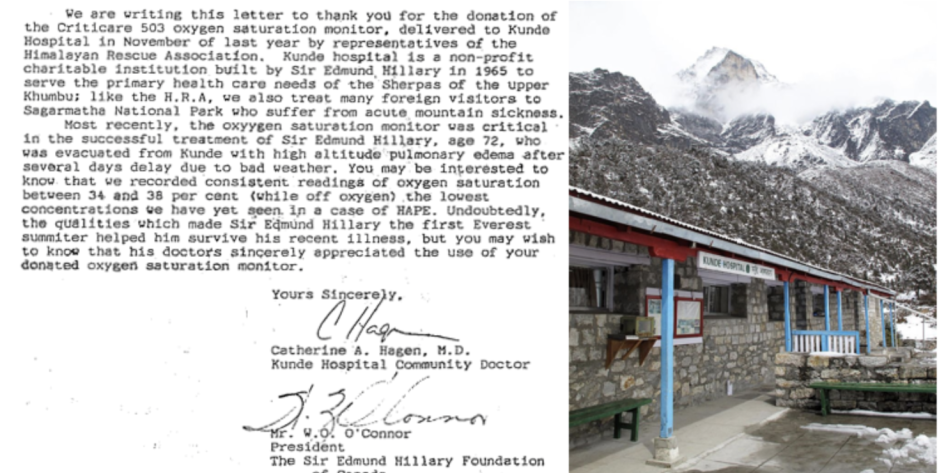
High altitudes (4,900-11,500 feet above sea level) present a persistent challenge to human physiology. The Decker Aerospace Lab has contributed to foundational research examining how humans adapt to chronic hypoxia, providing insights that extend from evolutionary biology to aerospace and operational medicine.
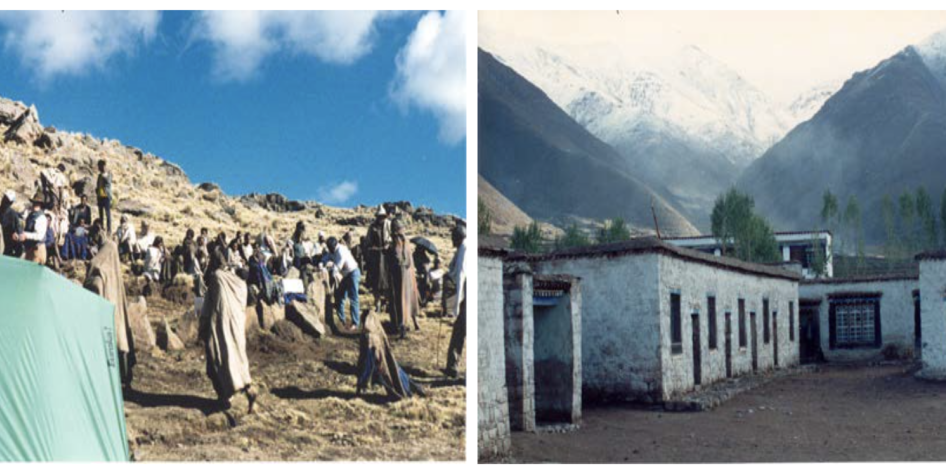
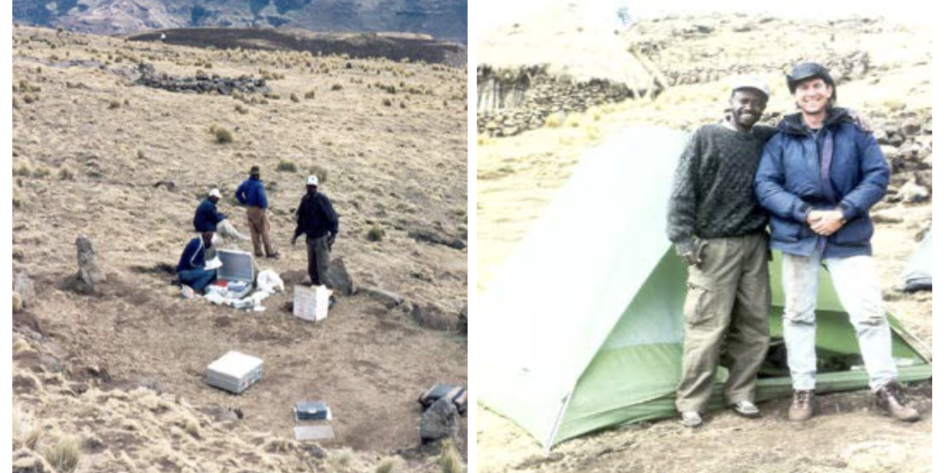
Our past work with native high-altitude populations in Ethiopia and the Andes in conjunction with Cynthia Beall, PhD, has demonstrated that humans do not rely on a single biological solution to low oxygen. Instead, different populations have evolved distinct physiological strategies for maintaining oxygen delivery and function at altitude. These findings have reshaped understanding of hypoxia tolerance and highlighted how adaptation can minimize physiological strain while preserving performance.
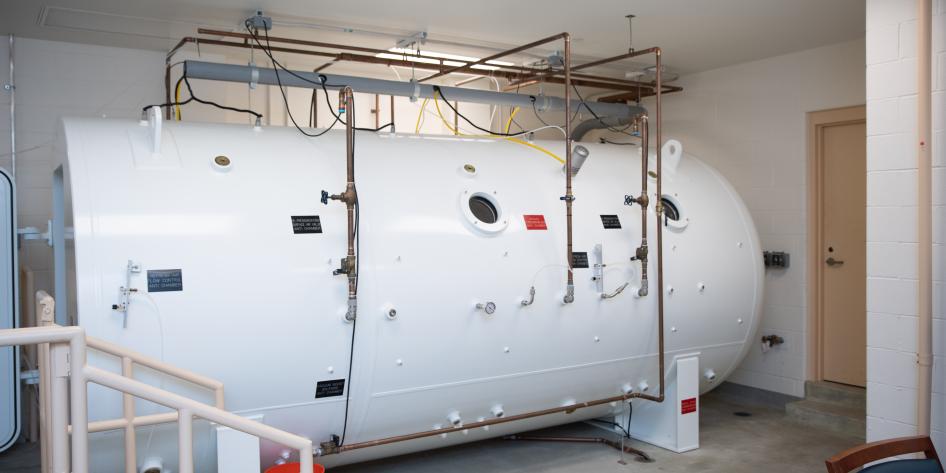
Alongside field-based human studies, our laboratory investigates how manipulation of inspired oxygen concentrations affect cerebral blood flow and cognition. While supplemental oxygen is essential for safety at altitude, studies from our lab show that hyperoxia (breathing high concentrations of oxygen) can paradoxically reduce cerebral blood flow in a dose-dependent manner.
This reduction in brain perfusion becomes significant at oxygen levels commonly used in tactical aviation, raising important questions about how oxygen delivery strategies influence brain physiology during flight. Understanding where safety benefits intersect with unintended neurovascular effects is vital for optimizing operational systems and protocols.