



Pushing the Limits of Human Performance
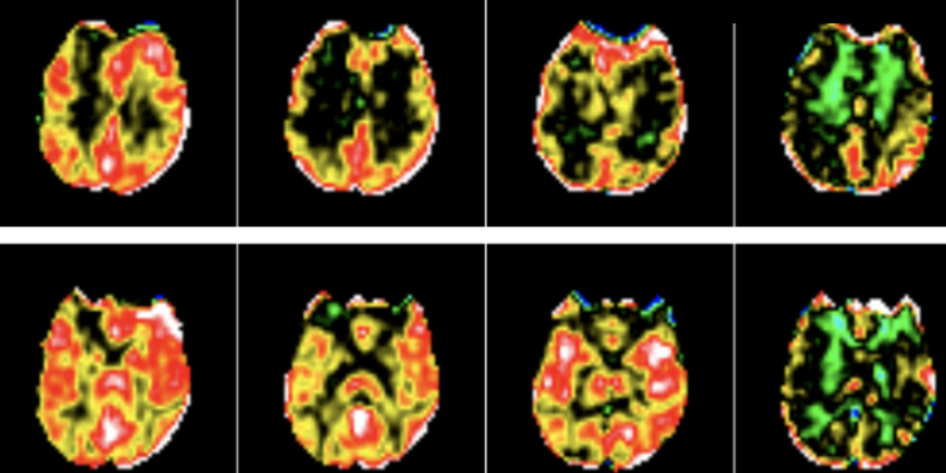
Normal brain development and function depend critically on adequate oxygen delivery and cerebral blood flow—even small deviations in the amount of oxygen we breathe can produce rapid and measurable changes in brain activity. Both reduced oxygen availability (hypoxia) and elevated oxygen exposure (hyperoxia) can alter neural function, while prolonged exposure can drive lasting changes in brain structure and performance.
Low oxygen levels in the body arise from a variety of clinical conditions, including cardiovascular disease, pulmonary dysfunction, central nervous system impairment, and complications associated with premature birth. Beyond clinical settings, environmental and occupational factors also place individuals at risk for altered oxygen exposure. High-altitude environments, such as mountainous regions across the globe, naturally reduce available oxygen, while certain professions—such as submarine operations—intentionally limit oxygen concentrations to mitigate fire risk.
Humans have evolved physiological mechanisms to tolerate reduced oxygen availability, including adjustments in ventilation and red blood cell production. In contrast, there are no natural environments on Earth where oxygen concentrations exceed the normal proportion of 21%. Because of this, the human capacity to adapt to elevated oxygen levels remains poorly understood.
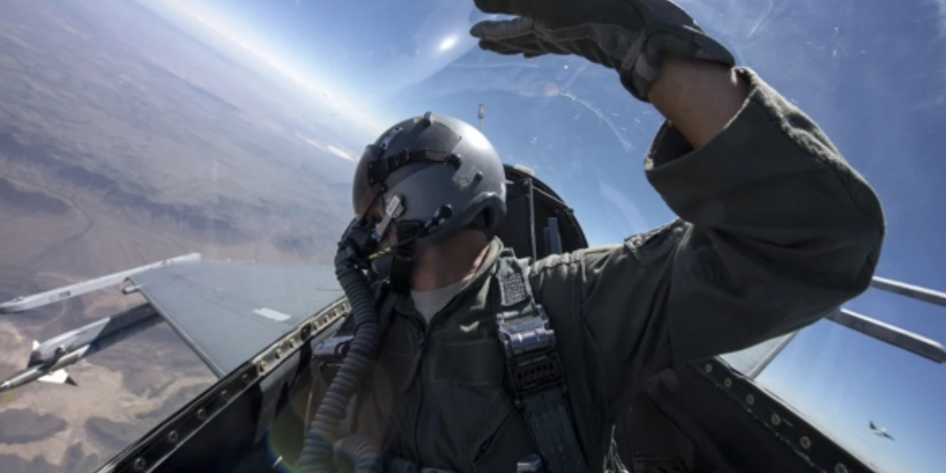
Despite this limitation, high oxygen exposure is often essential for survival and performance in aerospace and extreme operational settings, including high-altitude and high-speed aviation, extravehicular activity during spaceflight, and undersea diving. As these environments become increasingly common and technically demanding, understanding how hyperoxia affects the brain is both a scientific and operational imperative.
The Decker Aerospace Lab, within the Center of Aerospace Physiology at Case Western Reserve University School of Medicine, investigates how extreme environmental conditions influence human brain function and physiology. Our laboratory-based research is guided by operationally informed questions developed in collaboration with tactical aviators and high-performance operators. By integrating fundamental neuroscience and physiology with real-world challenges, our work informs strategies to mitigate cognitive fatigue, optimize oxygen utilization, and enhance human adaptation in austere and high-risk environments.