Take a look inside the experiences you can’t get in a classroom
This spring, experiential learning at Case Western Reserve University extended beyond the city limits of Cleveland as numerous students had the opportunity to bring their academic and professional interests to life in real time while traveling domestically and overseas.
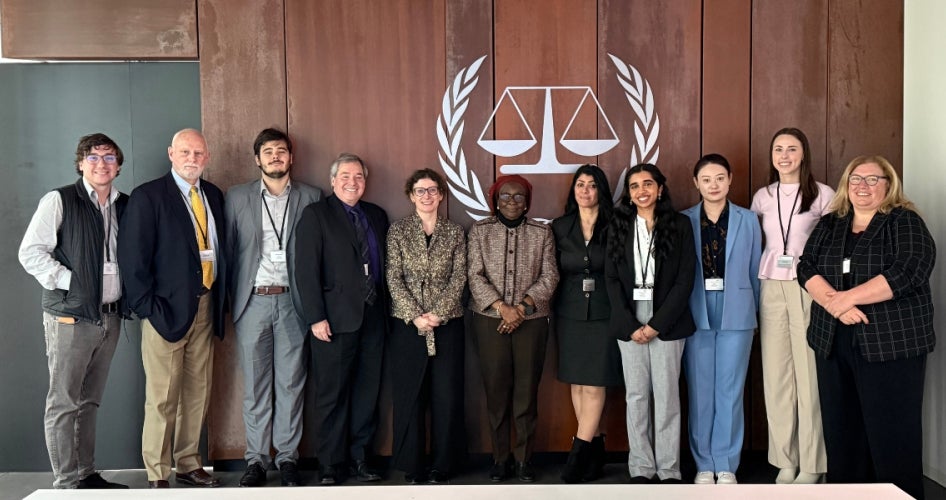
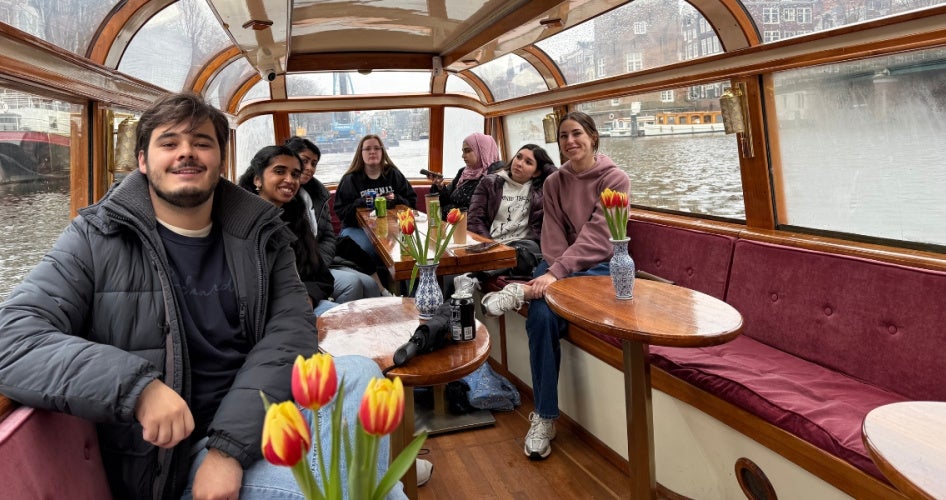
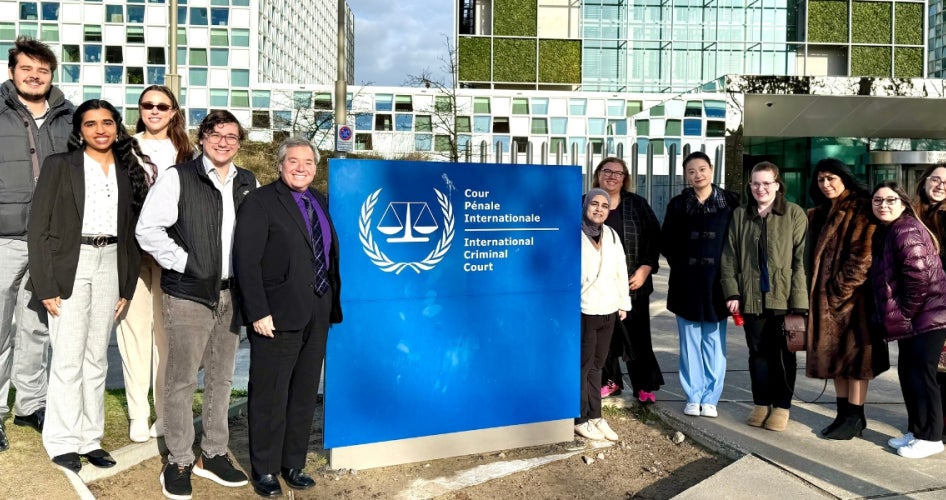
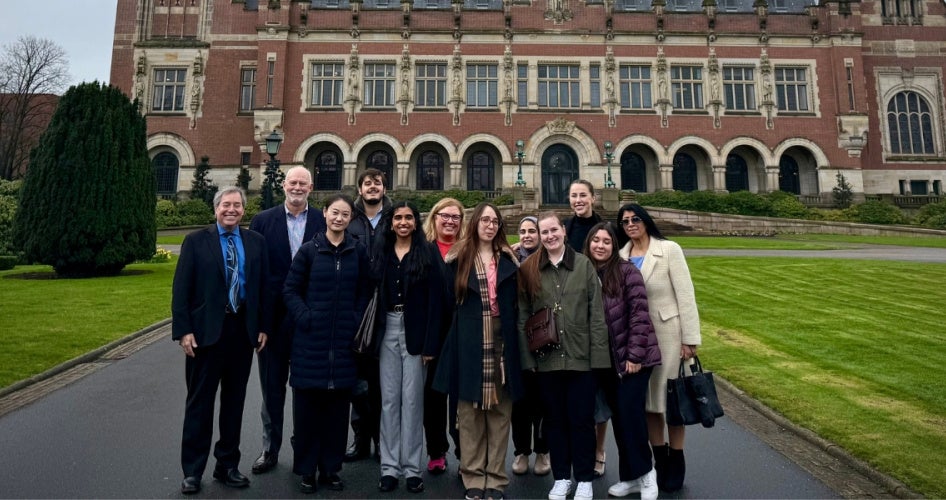
Earlier this month, nine School of Law students, accompanied by two alumni and associate deans Michael Scharf, JD and Laura McNally, JD, traveled to the Netherlands for the law school’s inaugural “Spring Break in The Hague” program. In this two-credit course focused on international tribunals, participants gained firsthand insight into various legal institutions such as the International Court of Justice, International Criminal Court and Permanent Court of Arbitration.
“With personal connections with judges, prosecutors and defense attorneys of the several Hague tribunals, I was able to get our group an unparalleled behind-the-scenes experience,” Scharf shared.
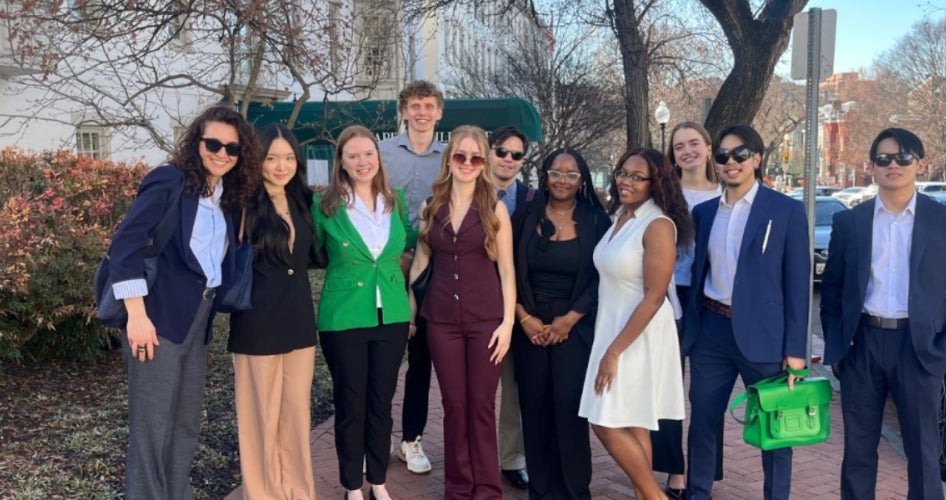
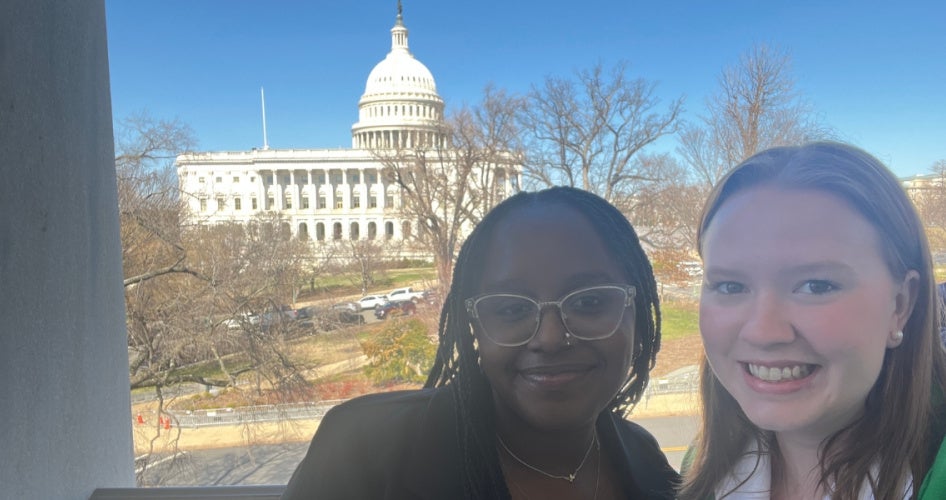
During the same week, Aysegul Keskin Zeren, PhD, assistant director for student experience at the Division of Student Affairs and adjunct assistant professor at the Department of Political Science, launched CWRU’s inaugural “Washington, D.C. Trek: Exploring the Political Ecosystem and Career Paths” course.
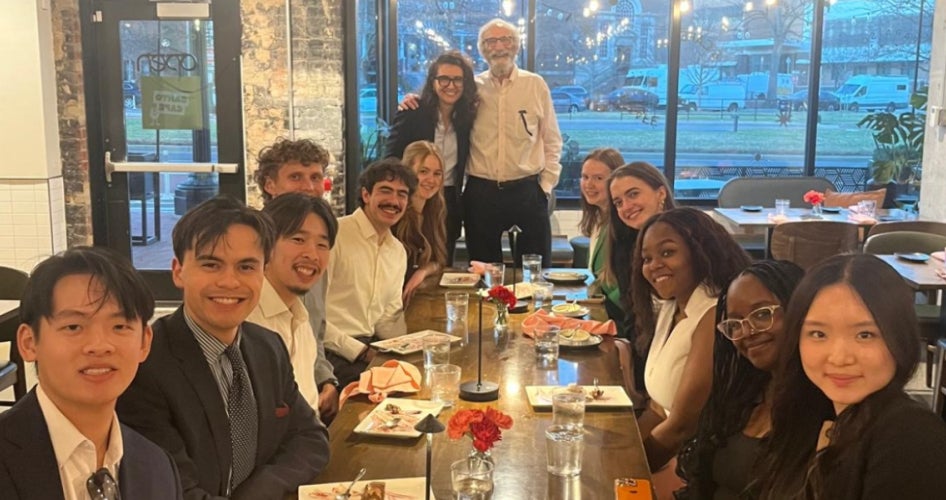
A Center for Career Success initiative, this experience offered eleven students the opportunity to explore the nation’s capital through a hands-on lens. Those part of the trek also had the chance to visit lobbying and consulting firms while connecting with CWRU alumni across nonprofit, advocacy and government sectors.
“Through networking events and direct engagement with professionals, students gained valuable insight into the political ecosystem and the wide range of career paths within it,” Zeren explained.
“Together, these programs highlight CWRU’s commitment to experiential learning—equipping students with the knowledge, connections and confidence to navigate their future careers,” she continued.
Read on to gain insight into the experiences of Nee, Almzaian and Joseph, who shared first impressions, the impacts and value of their involvement and more.
Answers have been edited for clarity and length.
Caley Nee
Second-year political science and pre-law student
Participated in the D.C. experience
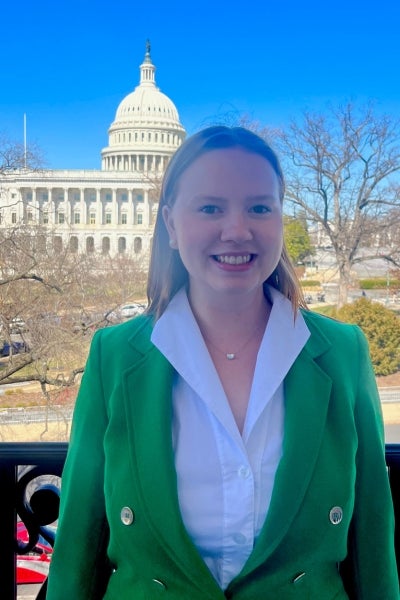
1. How did you learn about this opportunity, and what were your first impressions when you arrived? In what ways did they evolve?
When considering “Washington, D.C. Trek: Exploring the Political Ecosystem and Career Paths,” I first met with Dr. Zeren, who teaches the course. She spoke with me at length about my career aspirations and how the trek could help me pursue them. We knew the itinerary before departing, so I felt well-informed. However, I was truly amazed by just how many incredible people we were able to meet and form connections with. All the alumni we met were full of wisdom and support for us students.
2. How did this experience help you apply classroom concepts in a real-world setting?
In the course, we are taught to practice networking and develop an elevator pitch. We were later able to apply these skills at the CWRU career fair and throughout the D.C. trek. There were countless networking opportunities, including a dedicated networking event where I was able to meet, learn from and connect with many CWRU alumni pursuing career paths similar to my own.
3. What impact(s) did your experience have on your academic and professional journey?
As a pre-law student, hearing from lawyers practicing in D.C. was incredibly enriching. I’m still exploring different areas of law, and learning from professionals like Jenna Leventoff (CWR ’10; LAW ’13)—senior policy counsel at the American Civil Liberties Union (ACLU)—was inspiring. CWRU alumni are doing amazing work and their willingness to share advice and lived experiences has been invaluable as I think about law school and how I want to use my degree.
My interpersonal skills also drastically improved. As an outgoing but introverted person, large groups and long days can be intimidating. Building my networking stamina and meeting and talking to new people has given me confidence I will take with me at job interviews and throughout my professional life.
4. What was the most defining moment of your experience, and how did it shape your understanding of the value of hands-on, experiential learning?
There is so much to be said for person-to-person interaction, rather than learning from a screen or sitting in a lecture. The wisdom I gained from connections made with people in D.C. is a benefit I will reap for years to come. The opportunity to learn from and form human connection is so valuable, especially in a town like D.C. where networking is so important. Dr. Zeren put together a mixer where we had the opportunity to network with our amazing D.C. alumni. At this event, I had so many amazing conversations and was able to talk with successful alumni about their career paths. Being able to ask questions and learn from people who have followed the path I intend to have stayed with me and made me even more excited for my future.
Sawsan Almzaian
First-year Doctor of Juridical Science (SJD) candidate
Participated in The Hague experience
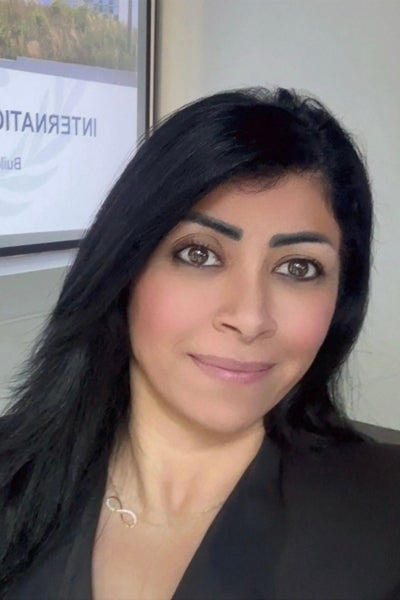
1. How did you learn about this opportunity, and what were your first impressions when you arrived? In what ways did they evolve?
During spring break, I had the privilege of traveling to The Hague in the Netherlands, a city widely recognized as the global hub of international law and justice. As an SJD candidate specializing in human trafficking and organ trafficking, I was inspired to choose this experience because it directly aligns with my academic research and long-term career aspirations in international law and accountability. I secured this experience through my enrollment in the International Tribunals study abroad program at Case Western Reserve University School of Law.
When I first arrived, I was immediately struck by its unique identity as the global center of international law. Seeing institutions such as the International Court of Justice and the International Criminal Court in person was both inspiring and humbling. Initially, it felt overwhelming, but as the program progressed, my perspective evolved into a deeper sense of belonging within this global legal community.
2. How did this experience help you apply classroom concepts in a real-world setting?
One of the most impactful moments was during our visit to the International Criminal Court, where we engaged with legal professionals and discussed ongoing cases. I found myself drawing directly on my knowledge of international criminal law—particularly jurisdiction, complementarity, and procedural fairness—to analyze real-world legal challenges. It was a powerful moment where theory and practice truly intersected.
3. What impact(s) did your experience have on your academic and professional journey?
This experience challenged my perspective by exposing the gap between legal frameworks and their real-world implementation, reinforcing that international law extends beyond doctrine to include political realities, evidentiary challenges and institutional limitations. As someone focused on human and organ trafficking law, being in The Hague offered direct insight into how international legal institutions address transnational crimes, deepening my understanding of the disconnect between international frameworks and domestic enforcement.
At the same time, the experience strengthened my analytical and critical thinking skills through applying legal concepts to real-world scenarios, enhanced my communication and interpersonal abilities through discussions with international experts and peers, and built my confidence in presenting complex legal issues in professional settings. Overall, it reaffirmed my commitment to pursuing a career that helps bridge these gaps through research, policy and legal reform.
4. What was the most defining moment of your experience, and how did it shape your understanding of the value of hands-on, experiential learning?
A defining moment for me was standing inside the Peace Palace, home to the International Court of Justice. It represented the culmination of everything I had studied and aspired toward. Being physically present in a place where international disputes are resolved peacefully was both symbolic and deeply motivating. Experiential learning is invaluable because it transforms abstract legal concepts into tangible realities. It allows students to see how law operates in practice, engage with professionals and understand the real-world impact of legal decisions. It is not just an academic experience—it is a professional and personal transformation.
Adam Joseph
Second-year political science and economics student
Participated in the D.C. experience
1. How did you learn about this opportunity, and what were your first impressions when you arrived? In what ways did they evolve?

I learned about the D.C. trek when I was scrolling through [the Student Information System] and saw this class. It seemed so unique that I didn’t even believe it was real. After talking to Dr. Zeren and confirming that it was, I made sure to register. When I first arrived, she detailed the class and I imagined a unique but stressful experience. My impressions of the trek shifted during it, and I realized that although this experience was stressful, the awe that I felt being there overwhelmed any other emotion I felt.
2. How did this experience help you apply classroom concepts in a real-world setting?
We spent a lot of time preparing for networking. Although simple, there are no classes that prepare you for three straight hours of talking with professionals that definitely know more than you. The time spent before our trek was focused on developing these skills through our Career Development Hub and informational sessions with CWRU alumni during class. When it came time to talk to our alumni face-to-face, I felt comfortable due to our previous time in class spent on this. I developed a skill that I call “prolonged people exposure.” In D.C., there seems to be a need for a very large social battery. Even though we were there for just three days, we could all definitely feel that. In this trek, I got real-world experience of what it is like to have a real conversation with people for hours on end on an already depleted social battery. Although tiring at the moment, it was extremely rewarding.
3. What impact(s) did your experience have on your academic and professional journey?
Getting this hands-on experience of seeing what people in D.C. do was great. Most of my classes so far have centered around political theory or other abstract ideas. But this class introduced me to the day-to-day life of D.C., which provided me with much more insight than any in-class lecture could teach. I had been considering a career in the legal field, but this trip made me shift my interests more towards public policy and the government sector. This trek allowed me to see how hard yet rewarding public service is, which is a combination I hope to find in my career.
4. What was the most defining moment of your experience, and how did it shape your understanding of the value of hands-on, experiential learning?
Hands-on experiential learning is truly invaluable. There is the saying that “a thousand reps in the pen is worth one on the mound.” In other words, actually experiencing something instead of practicing it is always more valuable. Being able to have this hands-on experience was life changing because of the career insight it provided and how fun the trip was. My time in D.C. emphasized the fact that it is okay to not know what I want to do, but I definitely have a better sense that I want to work in a government-adjacent field, such as lobbying or nonprofit work, instead of directly inside the government.
The most defining moment for me was the final networking dinner. There, Dr. Zeren had invited about 40 alumni to a networking event in our hotel lobby. And there we were, 11 undergraduates running on about 14 hours of sleep in three nights, eagerly awaiting. I entered this trip viewing us as undergraduates playing dress up, but seeing how all of us connected meaningfully with our vast alumni network made me realize that this was all authentic.