

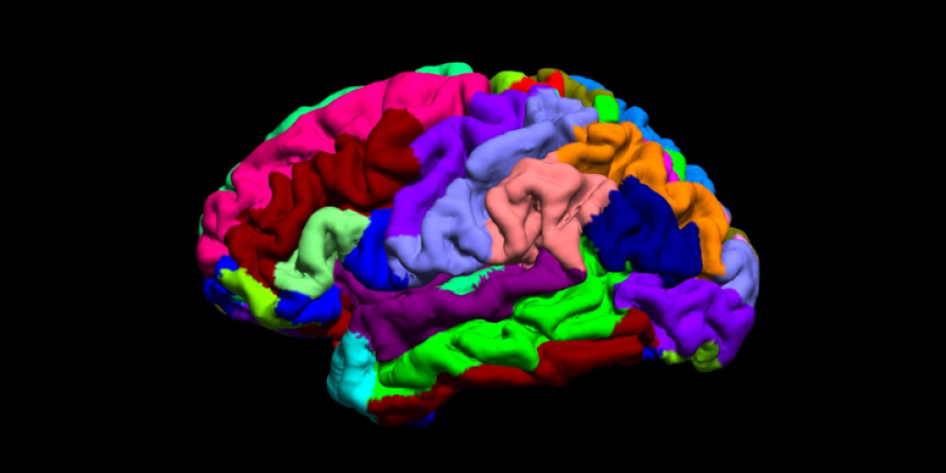
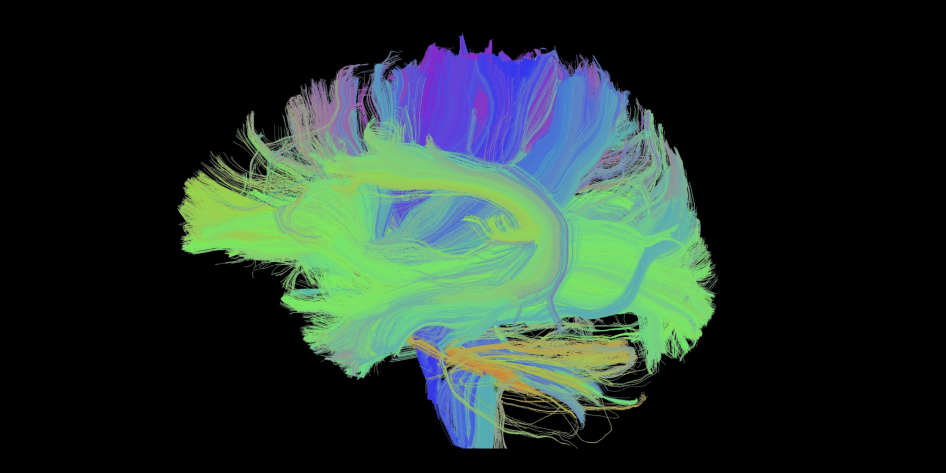
The Decker Aerospace Lab utilizes neuroimaging approaches to investigate how the brain responds to acute changes in oxygen availability, common in aerospace and extreme environments. Our neuroimaging research characterizes how manipulation of inspired oxygen concentration – both reduced oxygen (hypoxia) and elevated oxygen (hyperoxia) – alters cerebral blood flow, neural activity, and cognitive function.
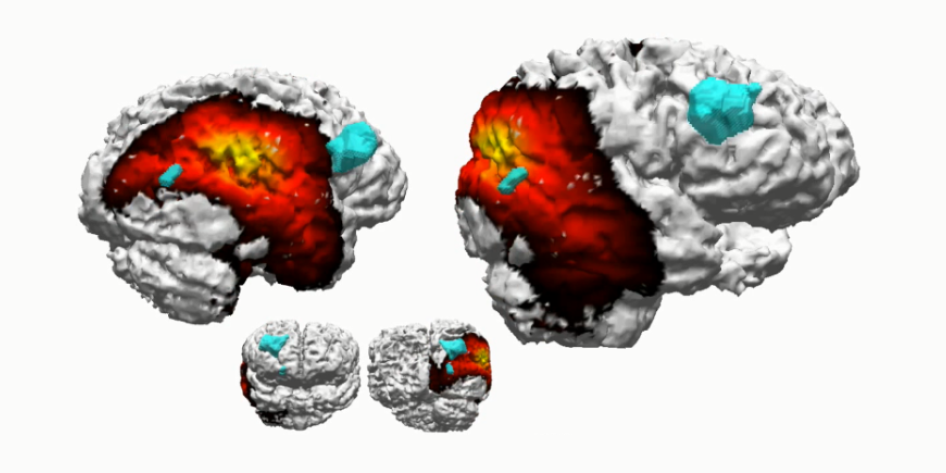
A central focus of this work is understanding how the brain maintains alertness and performance when oxygen delivery is perturbed. Using functional magnetic resonance imaging (fMRI), we have quantified changes in cerebral perfusion, while corresponding high-density electroencephalography (EEG) provided complementary measures of cortical activity. These techniques allow us to assess how neurovascular and neural systems respond in parallel during controlled oxygen exposures.
Insights from our work suggest that hyperoxic conditions (especially those commonly occurring in tactical aviation) can reduce global blood flow to the brain. Despite this overall reduction in cerebral perfusion, hyperoxic fMRI and EEG data demonstrate signatures of increased activity in brain regions involved in attention and vigilance. These results indicate that while hyperoxia may reduce overall cerebral perfusion, there is selective, preferentially-increased blood flow to specific areas of the brain. These findings suggest that the brain may activate compensatory mechanisms to sustain performance under altered oxygen conditions—information critical to optimizing the life-support systems of high-performance fighters.