

School of Medicine
From driving cutting-edge research to bringing medical innovations to market, landing competitive awards and more, the faculty, staff and students at Case Western Reserve University School of Medicine know how to make headlines.
Hero Type
Image
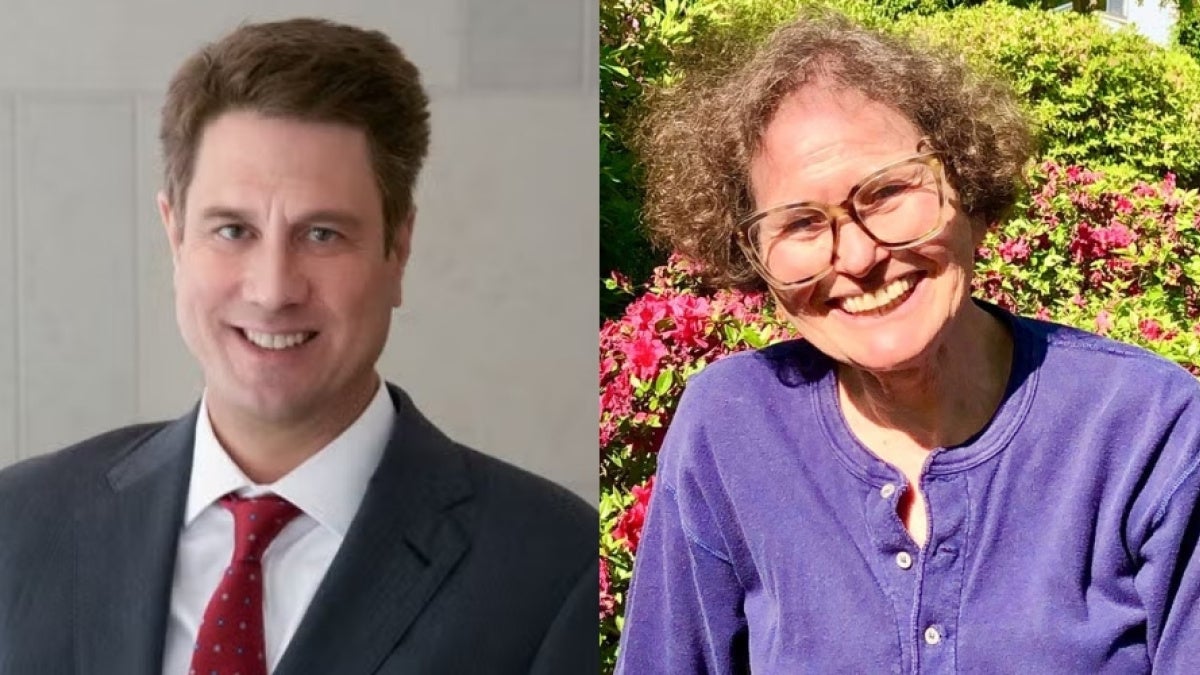
Andrew Pieper receives CWRU’s second eminent professorship
Andrew Pieper, MD, PhD, is tackling some of medicine’s toughest targets: Alzheimer’s, Parkinson's and brain injury. Now, his work at Case Western Reserve University School of Medicine is getting an even bigger boost thanks to alumna and psychiatrist Rebecca E. Barchas, MD (MED ’75). Pieper’s…


In the News



Recent News
March 09, 2018
The research team of Anubhav Kanwar, third-year fellow; Jennifer L. Cadnum, laboratory supervisor; Annette L. Jencson, of the Louis Stokes Veterans Affairs Medical Center; and Curtis J Donskey, professor of medicine, wrote an article about opportunities for contamination in ice machines at…

March 09, 2018
Robert W. Maitta, assistant professor of pathology, recently authored a textbook titled Clinical Principles of Transfusion Medicine. The book seeks to inform clinicians of best practices and developments in the field of transfusion medicine based on the latest clinical evidence. Read a summary.
March 08, 2018
The next Case Comprehensive Cancer Center Seminar Series event will be a discussion on “BAFF receptor—A novel therapeutic target for B cell malignancies.” Reshmi Parameswaran, assistant professor of medicine and member of the Hematopoietic and Immune Cancer Biology Program of the Case…
March 07, 2018
High-powered microscope shows receptor at rest, with focus on drug development A team of researchers from Case Western Reserve University School of Medicine have used Nobel Prize-winning microscope technology to see full-length serotonin receptors for the first time. The tiny…
March 06, 2018
Uganda “treatment cascade” increases patient continuation in care Billions of U.S. taxpayer dollars have been invested in Africa over the past 15 years to improve care for millions suffering from the HIV/AIDS epidemic, yet health systems on the continent continue to struggle. What if the…
March 05, 2018
Case Western Reserve University School of Medicine and University Hospitals Harrington Heart & Vascular Institute researchers Muhammad Panhwar, MD, and Mahazarin Ginwalla, MD, recently concluded a study of more than 22 million patients that suggests a strong connection between Inflammatory Bowel…
March 01, 2018
Enzymes open door for targeted therapeutics across disease spectrum Doctors have long treated heart attacks, improved asthma symptoms and cured impotence by increasing levels of a single molecule in the body: nitric oxide. The tiny molecule can change how proteins function. But new research…
February 28, 2018
Richard Martin, MD Richard Martin, MD, professor of pediatrics, reproductive biology, and physiology at Case Western Reserve School of Medicine, and director of neonatal research programs and Drusinsky-Fanaroff Chair in Neonatology at University Hospitals Cleveland Medical Center, has…

February 27, 2018
In honor of Black History Month, the Daniel-Hale Williams Pre Medical Society will host Dee Banks, chief of infectious diseases at UPMC Horizon. Banks will talk about her experience as a minority in the field of medicine. This event, titled “Minorities in Medicine,” will be held Wednesday, Feb.…
February 26, 2018
As part of our 175th anniversary celebration, we are focusing on a different aspect of our history. This month it’s imaging - and our record goes back more than a century. In 1905 Walter C. Hill, MD, was appointed the first radiologist at Lakeside Hospital, about when the institution first…