


The Roger E. Susi Interdisciplinary Research Building at Case Western Reserve University brings people, disciplines and ideas into closer contact to help researchers connect expertise, pursue important questions and move promising work toward real-world impact. The building is organized around seven research clusters: Advanced Materials & Manufacturing, Climate & Ecosystem Science, James M. Galm, PhD, PE Electrochemical Engineering & Energy Science, Molecular Therapeutics, NeuroRobotics, NeuroTechnology and Precision Diagnostics & Therapeutics.
The Susi Building also features state-of-the-art equipment from the university’s core facilities, and it integrates humanities, arts and STEM (science, technology, engineering and mathematics).
Research Clusters
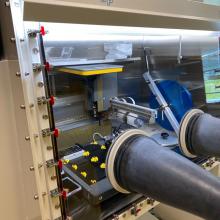
Advanced Materials & Manufacturing
Exploring new technologies and manufacturing techniques to develop better components and production processes.
Learn about Advanced Materials & Manufacturing.
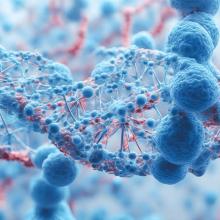
Climate & Ecosystem Science
Understanding how a changing planet impacts its inhabitants and how they in turn shape it—and finding ways to then mitigate those effects.
Learn about Climate & Ecosystem Science.
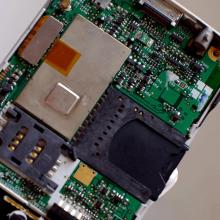
James M. Galm, PhD, PE Electrochemical Engineering & Energy Science
Working to improve battery and energy storage and increase efficiency of semiconductors, a technology in virtually all digital devices.
Learn about Electrochemical Engineering & Energy Science.

Molecular Therapeutics
Developing drugs and other treatments, and advancing them toward patient use.
Learn about Molecular Therapeutics.

NeuroRobotics
Producing bio-inspired robots for practical applications such as safely retrieving harmful objects from the ocean floor without exposing human divers to danger.
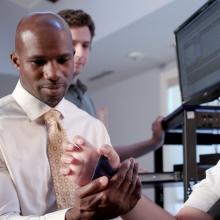
NeuroTechnology
Creating and producing effective, viable devices and technology for neurological conditions including stroke, spinal cord injury, movement disorders and cognitive decline.
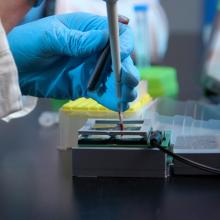
Precision Diagnostics & Therapeutics
Discovering new ways to assess and treat human health and disease with customized, not one-size-fits-all approaches.
Learn about Precision Diagnostics & Therapeutics.

Weaving together humanities and the arts with science, technology, engineering and mathematics. Its Susi Building programming is centralized on the third floor and woven throughout.

The Susi Building's shared state-of-the-art instruments and equipment—available to outside users and spread across about 11,000 square feet of core facilities space.