


Problems that Electrochemical Engineering & Energy Science is Working to Solve
The Electrochemical Engineering & Energy Science cluster is working to solve a wide range of problems related to a variety of industrial sectors.
Critical Metals
Critical metals like neodymium are central to numerous technologically important applications, such as electrified transportation, renewable energy harvesting, and magnetic data storage. However, the conventional production process has several drawbacks, including emissions of harmful pollutants whose remediation costs make it difficult to sustain. The cluster is working to enable economically favorable domestic production of metals critical to society.
Semiconductors
New interconnect materials require new electrolytes and plating approaches to enable the compact deposition of traditionally hard-to-deposit materials. The cluster is working to improve metallization techniques to enable the next generation of semiconductor interconnects to improve microprocessor performance.
Energy Storage
Poor deposition properties have hindered the use of advanced battery chemistries such as lithium and sodium metal batteries. The cluster is working to better understand these metal deposition properties to control their behavior and enable advanced, high-energy-density batteries.
Environmental Remediation
Removing low-concentration pollutants from large environmental bodies such as the air or tailings ponds is energy-intensive and cost-prohibitive. The cluster is working to develop advanced, energy-efficient electrochemical techniques to remove environmental contaminants and simultaneously produce value-added products, both reducing the cost of remediation and generating industry-relevant domestic feedstocks such as high-purity metals and carbon products.
Explore Electrochemical Engineering & Energy Collaborations
Electrochemical Engineering & Energy Science News
-
 October 20, 2026This is the final story in a nine-part series introducing the research, people and building that will define Case Western Reserve’s next chapter of discovery. Explore the full series to learn about the seven research clusters and the resources that make the work possible.Editor's note: This story…
-
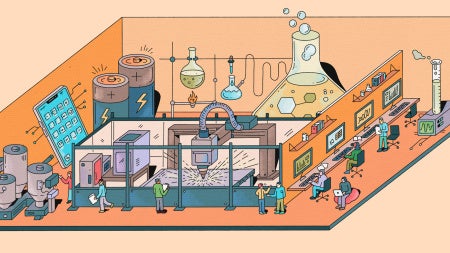 September 28, 2026Researchers in the James M. Galm Electrochemical Engineering & Energy Science research cluster are tackling the chemistry behind batteries, semiconductors, critical metals and clean energy
-
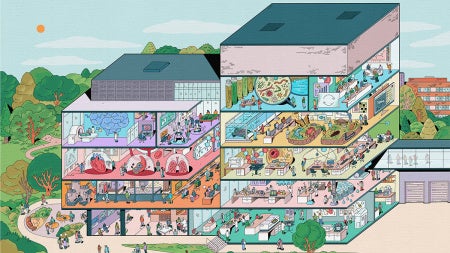 September 23, 2026This story is the first in a series introducing the research, people and building that will define Case Western Reserve’s next chapter of discovery. Over the coming weeks, we’ll go inside each of the seven research clusters and the resources that make the work possible.Editor's note: This story was…
Contact Us
To learn more about Electrochemical Engineering & Energy Science, contact cluster faculty lead and Electrochemical Design Center director Rohan Akolkar or meet the team of researchers.
To learn about how you can use the Electrochemical Design Center Core, contact Electrochemical Design Center core manager Nicholas Sinclair.