

Innovative Faculty are key stakeholders in the CWRU startup ecosystem. You’re inventors, developing technology and processes to address critical problems in industry and society. You’re also thought leaders, influencing future innovators in your classrooms and labs. The path to market for your research includes licensing technology to an established company, seeding viral adoption through books or workshops, or exploring a startup. We’re focused on helping you explore a startup - before committing to building it.
We're excited to review applications and welcome our 5th cohort. Please scroll down to view our Veale Faculty Fellows alumni and explore their translational research.
Program Overview
- A 1-year, cohort-based program designed to help you explore entrepreneurship using your research as a case study.
- A small cohort of 6-8 faculty, selected through a competitive application process.
- A series of hands-on workshops, with guest speakers, which focus on the entrepreneurial journey, industry vocabulary, creating a value proposition, and building a broader network.
- Access to carefully selected student interns who can refine your market research and help facilitate customer discovery through an approved project or a summer internship.
- Training on strategic use of LinkedIn for your startup.
- Marketing support (including graphics, banners, video, and social media posts) to support customer discovery, networking, prototype development, and fundraising.
- A small seed fund to help you continue your entrepreneurial journey. Funds can be used to cover costs associated with customer discovery, prototype development, testing, business formation, and IP protection. Funds are available for up to 2 years.
- A personalized plan for the next steps to take, including additional funding sources to explore.
Program Value
We don’t require our Faculty Fellows to be or become entrepreneurs. Our goal is to help you make an informed decision on how best to commercialize your research. If you opt to move ahead with a startup, we’re happy to help. If you decide a startup isn’t for you, we’re still happy to have you as part of our extended team.
We don’t measure our success exclusively by the number of startups created or the follow-on funding secured. Other examples of success include:
- Seeing our Fellows leverage their value proposition to strengthen applied research proposals to NSF, ARPA-e, NIH, and others.
- Having our Fellows share and amplify entrepreneurship opportunities with peers and next-generation researchers. That means recommending Veale’s Speaker Series, supporting student participation in start-up competitions, and encouraging peers to apply to programs accelerating innovation at CWRU, including the Veale Faculty Fellows Program.
- Seeing our Fellows continue their journey, enrolling in translational programs such as Coulter, NSF i-Corps™, Translational Fellows Program, CWRU i-Corps™ @NCATS, MAGNET’s Mspire, VentureWell, exhibiting at CES or speaking at SXSW, etc.
- Seeing Fellows actively expand and leverage their network, especially through LinkedIn.
- Watching our Fellows find a new home for their startup in the think[box] incubator space on the 7th floor or at 11000 Cedar.
- Knowing our Fellows are exploring additional funding opportunities, including CWRU Technology Ventures, SBIR/STTR awards, CWRU Alumni Venture Fund, Corporate startup funding (e.g., AWS University Start-Up Competition, Microsoft Start-up Hub, etc.), and Angel or VC funding.
Meet the 2026-27 Veale Faculty Entrepreneurship Fellows
The Veale Institute for Entrepreneurship welcomes its fifth cohort of Veale Faculty Fellows—seven researchers selected from a competitive application process spanning five Case Western Reserve schools. The yearlong program supports faculty who bring their research into the fellowship as a case study, offering a structured way to explore translation, assess real-world relevance, and build fluency around entrepreneurship without stepping away from their academic roles.
Read more about the program and its impact in the CWRU Newsroom - Meet the new Veale Faculty Fellows
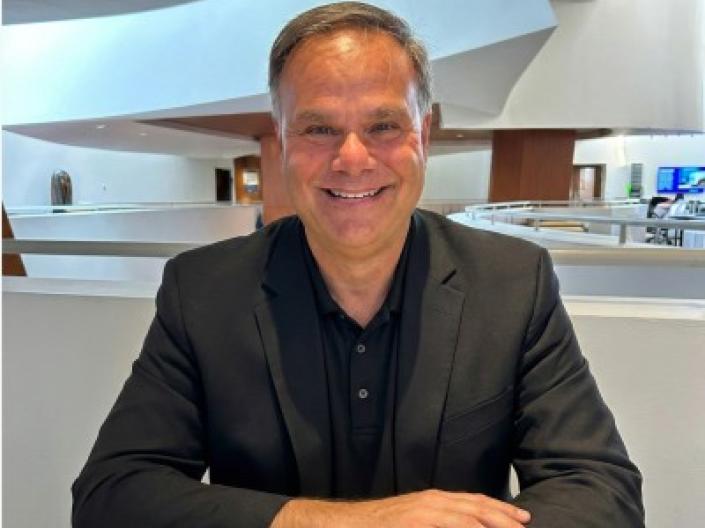
Professor, Departments of Design & Innovation, Organizational Behavior, and Healthcare Management Programs, Weatherhead School of Management
Professor, Department of Population and Quantitative Health Sciences, School of Medicine
Cola is developing an augmented/mixed reality tool that provides entrepreneurial founders with immediate, actionable feedback on the content and delivery of their pitches and pitch decks. He aims to solve the problem that entrepreneurial founders often have limited opportunities to receive timely, meaningful feedback on how effectively they communicate their ideas to potential investors.
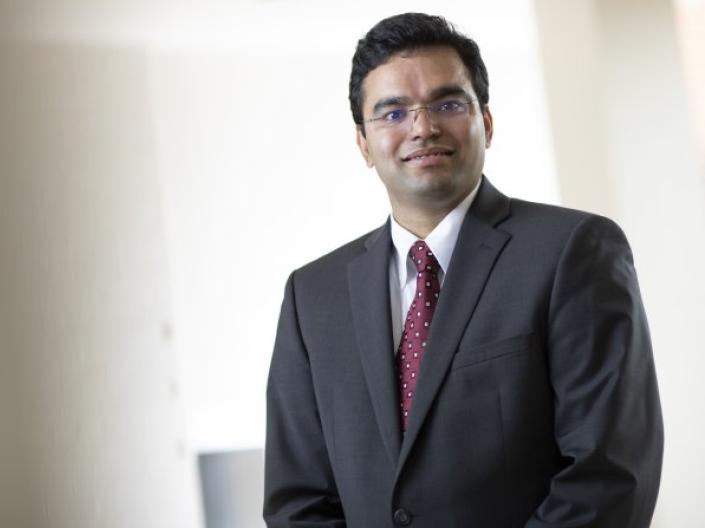
Associate Professor, Department of Mechanical and Aerospace Engineering, Case School of Engineering
Kharangate (in partnership with the Two-Phase Flow and Thermal Management Laboratory) is developing novel machine learning-based models in python and other software packages that are highly accurate in comparison to any traditional modeling method, and can be great engineering design tools for the industry. These tools can help optimize heat-sinking solutions across application in aerospace, defense, consumer electronics, and automotive industries that require high heat extraction capabilities.
Assistant Professor, Department of Pathology, School of Medicine
Langel and her lab is researching and engineering IgA, the antibody type the body actively transports through the cells lining mucosal surfaces via the bloodstream, with programs targeting respiratory and gut viruses, bacterial imbalance in the vaginal canal, and ovarian cancer cells that hijack the same transport route in order to improve outcomes of antibody therapy on mucosal surfaces.
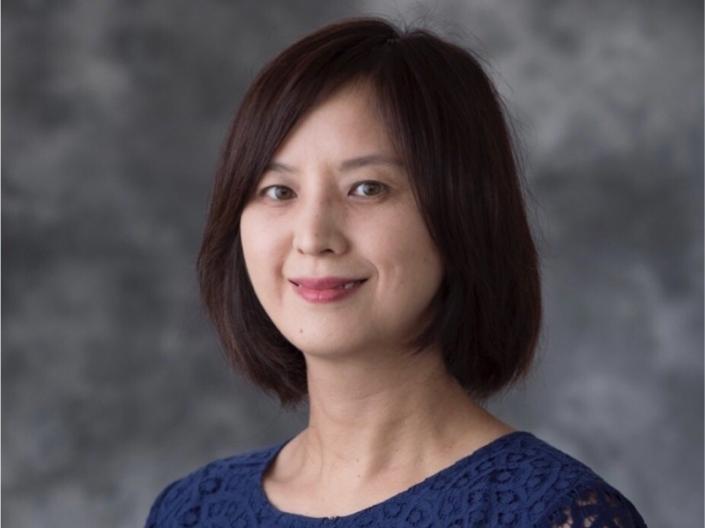
Assistant Professor, Department of Biomedical Engineering
Zhang is developing BG34-200—an experimental immunotherapy for cancers that have metastasized. It is designed to reprogram immune cells to strengthen the body’s response against tumors. Zhang hopes to lay the entrepreneurial groundwork to advance towards commercialization.
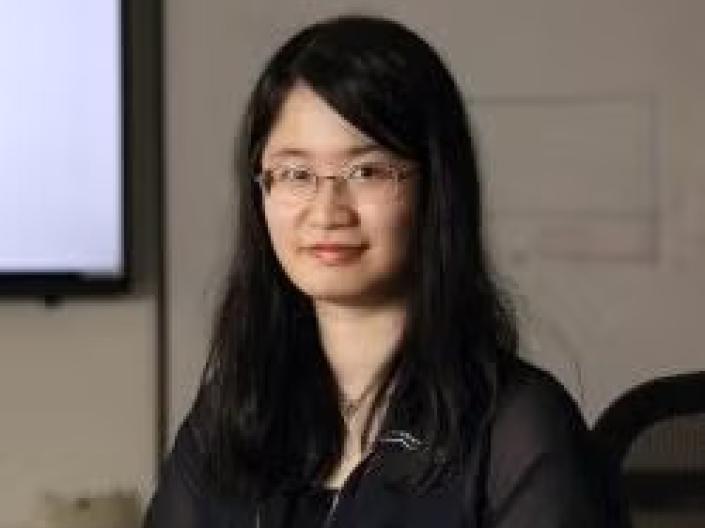
Timothy E. and Allison L. Assistant Professor in Computer Science & Engineering, Department of Computer and Data Sciences, Case School of Engineering
Ma and her team are developing multimodal AI models (combining data types like imaging, genomics, clinical records, and molecular structures) built on Judea Pearl's causal framework rather than correlation alone. This lets the models explicitly represent cause-and-effect relationships behind disease and treatment response, instead of just learning surface-level associations. We pair this with causality-based retrieval-augmented generation (RAG), grounding model outputs in verified clinical and scientific literature, to reduce hallucination and keep recommendations current and evidence-backed.
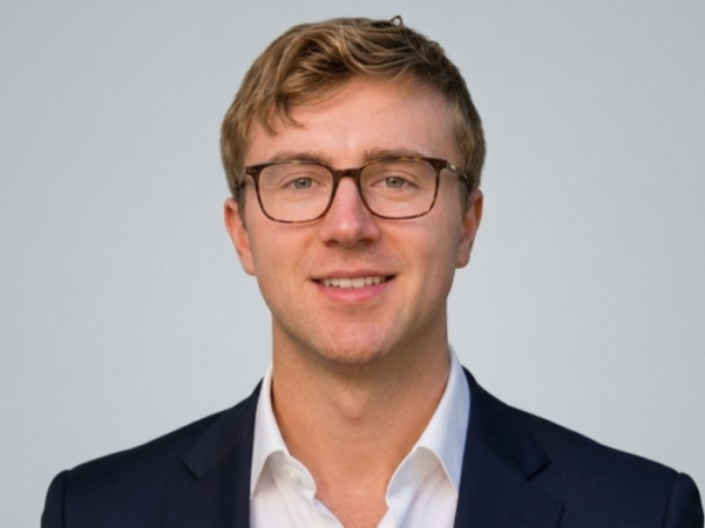
Postdoctoral researcher, Case School of Engineering
Mills and his team are solving the issues around exploring existing electrical conduit tunnels for maintenance and inspection purposes using a soft, worm-like robot that moves through underground conduits and sends back video and mapping data to help utilities locate damage.
Associate professor of oral and maxillofacial medicine and diagnostic sciences, School of Dental Medicine
Syed is working closely with a developer to build an AI-powered iOS app called RadReady. The idea is simple: students practice mounting real-deidentified patient radiographs on their own time and AI scores every decision they make - telling them instantly what went wrong and explaining why. It gives them the kind of specific, case-level feedback that used to require a faculty member standing over their shoulder. Over time the system tracks where each student keeps making similar mistakes and steers them back to practice those weak spots.
Meet the 2025-26 Veale Faculty Entrepreneurship Fellows
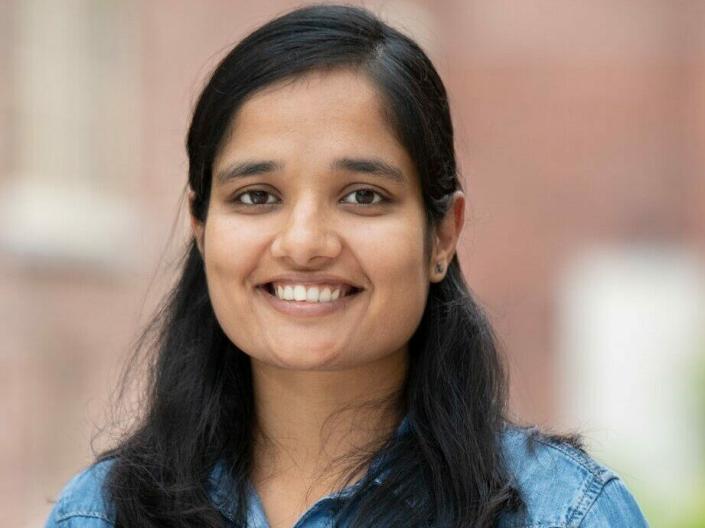
Assistant Professor, Department of Mathematics, Applied Mathematics, and Statistics, College of Arts and Sciences
Arya is building an AI software tool to help small, independent farmers make better decisions about their business.
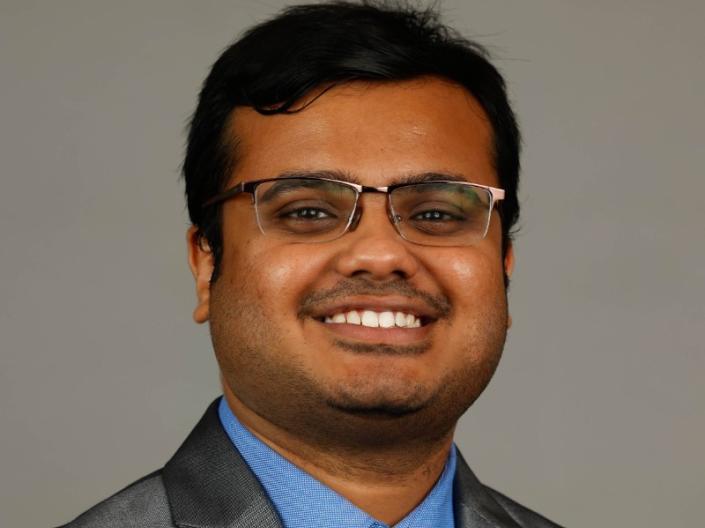
Assistant Professor, Department of Electrical, Computer, and Systems Engineering, Case School of Engineering
Datta is building smart sensors that capture insights at the edge, making data storage more sustainable.
Associate Professor, Jack, Joseph, and Morton Mandel School of Applied Social Sciences; Co-Director, Center on Trauma and Adversity
King is developing a mental health toolkit, designed to reset the nervous system, reducing stress in classrooms.
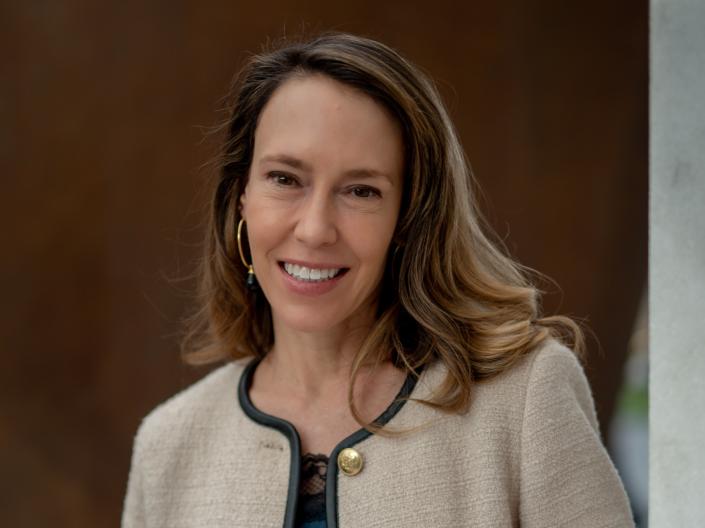
Associate Professor, Department of Population and Quantitative Health Sciences, School of Medicine
Curtis is making healthcare providers treating COPD in rural areas smarter using geo-informed software.

Professor, Department of Chemistry, College of Arts and Sciences
Burda is working to commercialize therapeutics to reduce deaths from colon cancer.

Assistant Professor, Department of Biology, College of Arts and Sciences
Dixon is designing 3D-printed, haptics-enabled anatomy models offering higher quality, lower cost tools for educating ENT specialists.
Meet the 2024-25 Veale Faculty Entrepreneurship Fellows
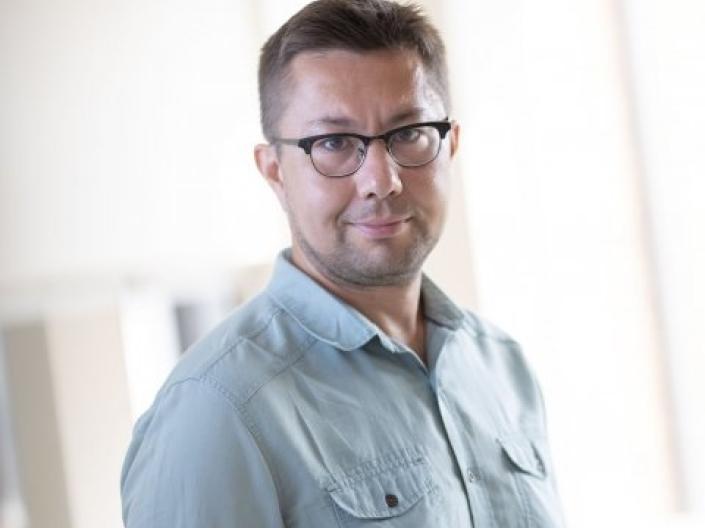
Assistant Professor, Department of Computer and Data Sciences
Ayday is developing an architecture in which individuals store their personal information that is either collected through their devices (e.g., phones) or provided directly by them in their “decentralized data agents.” This allows data owners to maintain full control over their data.
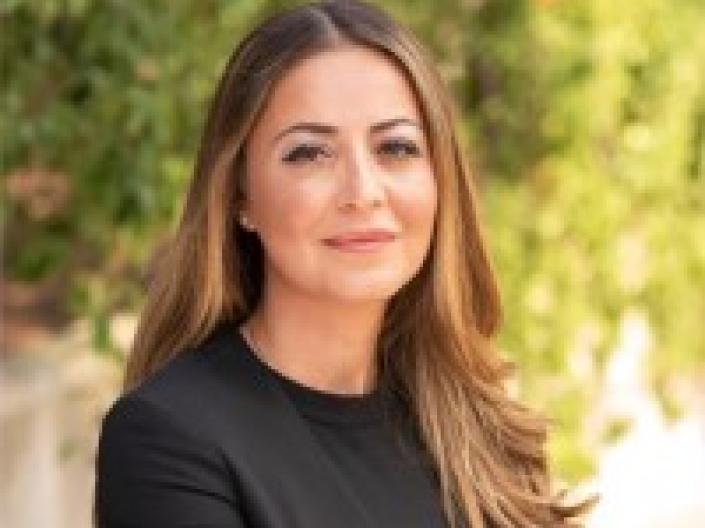
Associate Professor of Law, School of Law
Beck is creating an integrated solution that combines advanced analytics, real-time feedback, and interactive tools to enhance human capital management (HCM) board structures and reputation management. It aims to create a more dynamic and responsive approach to managing human resources and fostering a positive organizational culture.
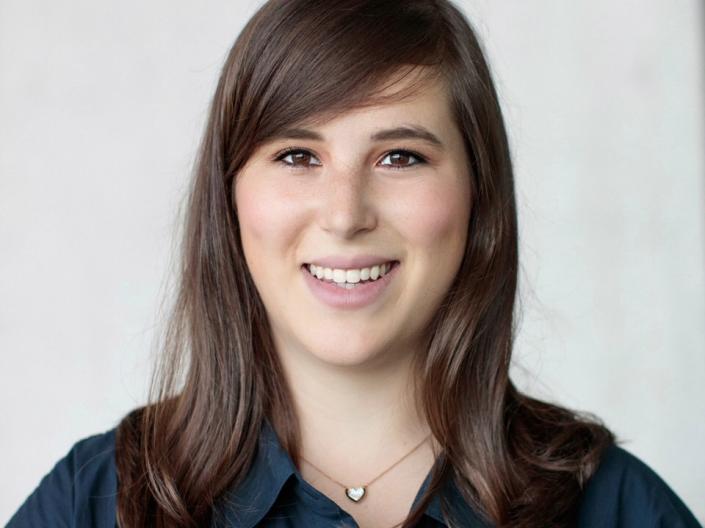
Assistant Professor, Department of Electrical, Computer and Systems Engineering
Block is developing empathetic robotic companions that can provide real-time supportive, empathetic (but non-therapeutic) responses to users, as a supplement to working with a licensed psychologist.
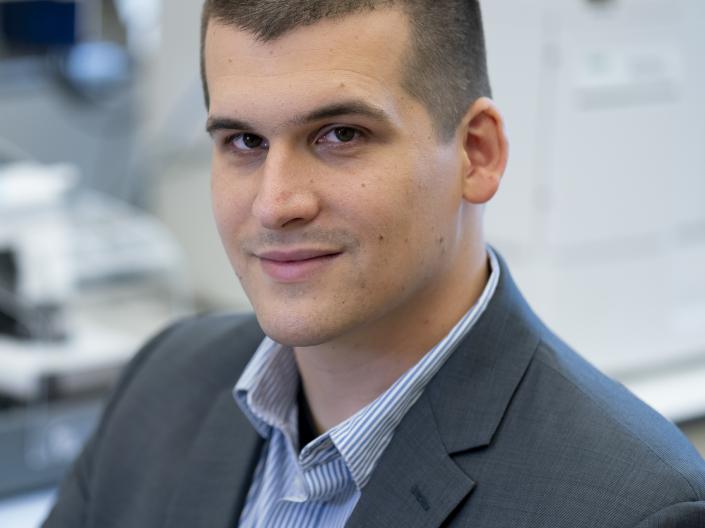
Assistant Professor, Department of Pathology, Center for Global Health and Diseases, School of Medicine
Member, Developmental Therapeutics Program, Case Comprehensive Cancer Center
Brubaker has developed an artificial intelligence platform that takes in millions of gene regulatory profiles for FDA-approved drugs, gut microbiome, and vaginal microbiome datasets to derive predicted relationships of how human cells are regulated by (1) microbes, (2) metabolites, and (3) bacterial proteins.
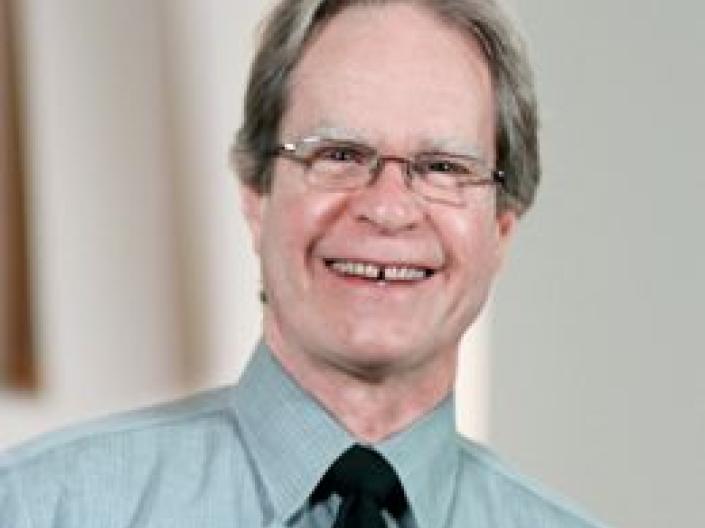
Professor Emeritus, Department of Design & Innovation, Weatherhead School of Management
Powered by two centuries of research by inventors, artists and musicians on relationships of painting and music, Collopy is implementing a model that relates artistic and musical concepts around controlling color, form, and motion with a musical sensibility.
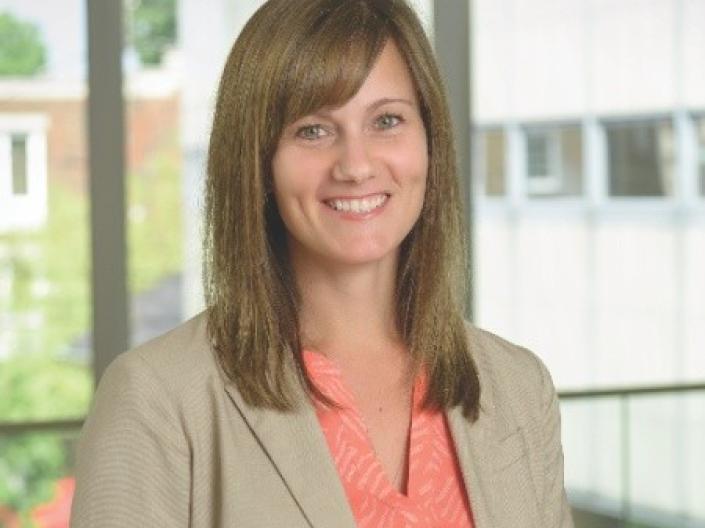
Co-Director, Center on Trauma and Adversity, Jack, Joseph and Morton Mandel School of Applied Social Sciences
Professor, Jack, Joseph and Morton Mandel School of Applied Social Sciences
For over six years, Holmes and other faculty from the Center on Trauma and Adversity have been pioneering a research-backed, scalable approach to trauma-informed education. The Trauma-Informed Higher Education Certification Program is grounded in cutting-edge research on the neurobiology of trauma and healing, providing faculty with the tools they need to create supportive and inclusive learning environments. This solution empowers educators to better support trauma-affected students, enhancing engagement and academic success.
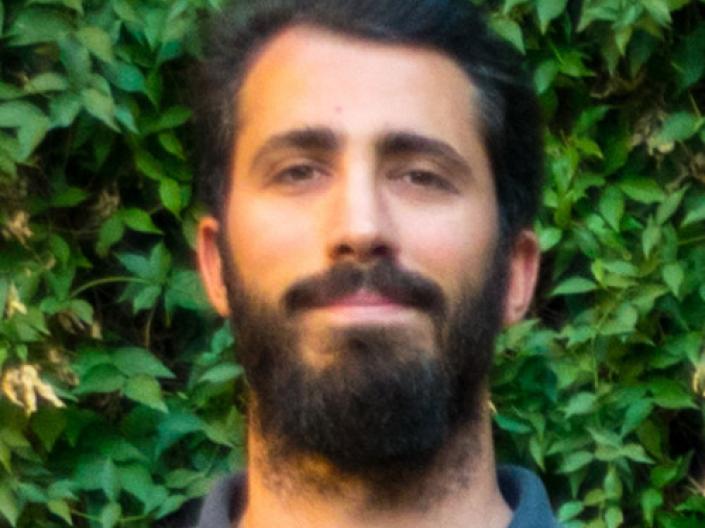
Assistant Professor, Department of Chemistry, College of Arts and Sciences
Karayilan's goal is to design and synthesize fully transparent and fluorescent ophthalmic viscoelastics (FluOVs) by chemically incorporating pharmacologically acceptable fluorescent dyes into polymer chains. The novel FluOVs for OVD applications will be easily spotted and fully aspirated by a surgeon after the surgery.
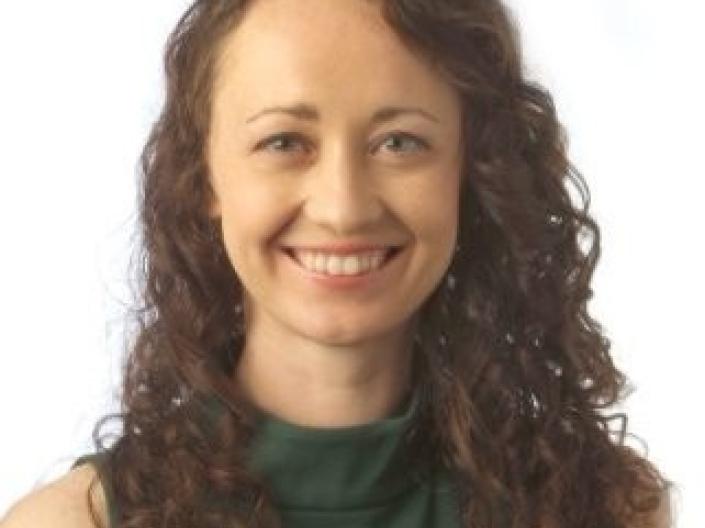
Associate Professor, Department of Chemical Engineering, Case School of Engineering
Renner is developing electrochemical sensing via peptide aptamers: this technology enables point-of-care diagnostics via an inexpensive electrochemical platform.
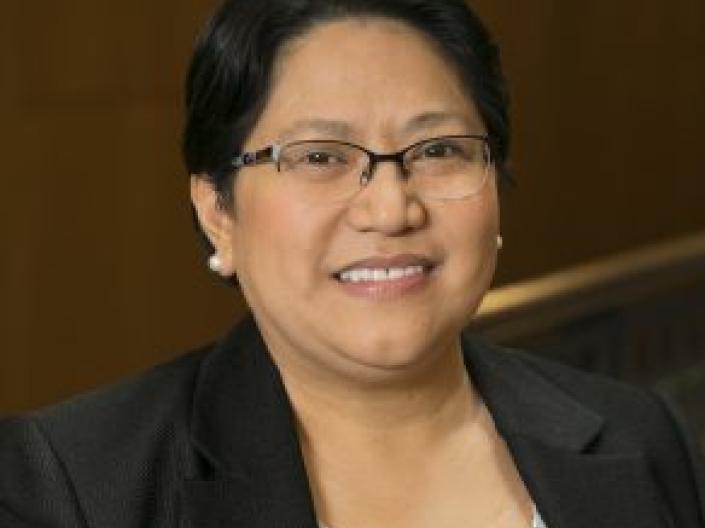
Rudolph and Susan Rense Professor of Chemistry and Department of Chemistry Chair, College of Arts and Sciences
Samia's research lab in Chemistry has been collaborating with Physicians at the Orthopaedic Surgery Department at Cleveland Clinic for the past 7 years to develop novel nanotechnology-based approaches to treat prosthetic joint infections (PJIs). They are currently developing PhotothermAA Gel, an innovative investigational treatment designed to overcome the limitations of current PJI therapies.
2023-24 Veale Faculty Entrepreneurship Fellows
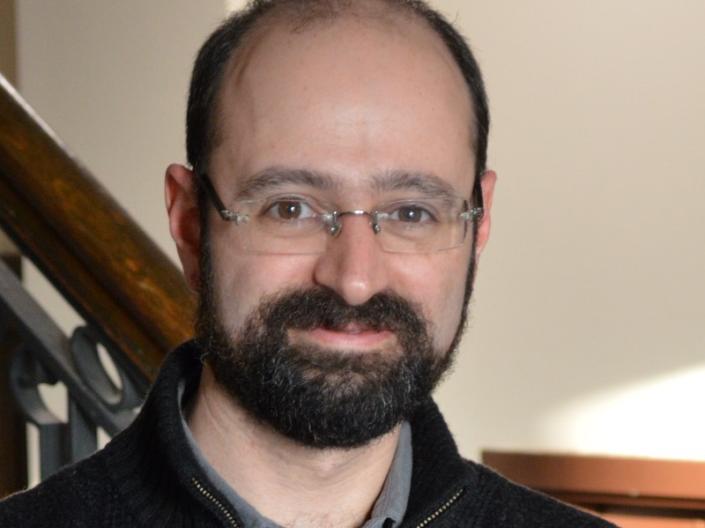
Associate Professor, Physics, College of Arts & Sciences
Applications of statistical mechanics to the structure of music
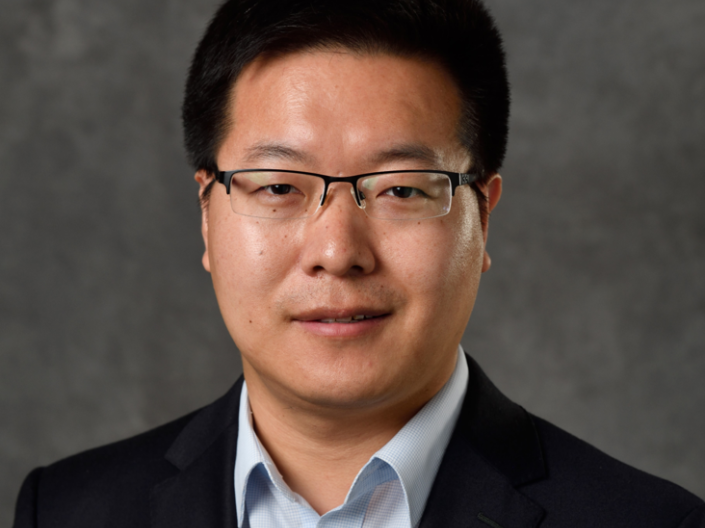
Assistant Professor, Department of Mechanical and Aerospace Engineering, Case School of Engineering
Soft electronics and Soft robotics
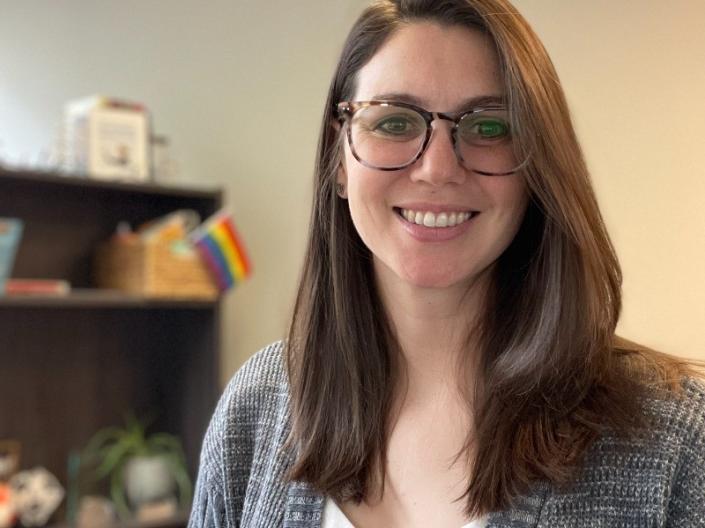
Assistant Professor, Chemical Engineering, Case School of Engineering
Radiochemistry separations (applications include nuclear medicine, mining, nuclear fuel)
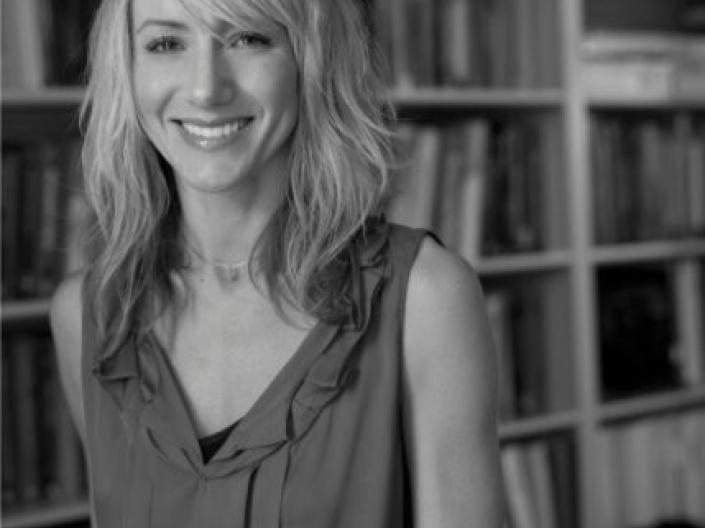
Associate Dean for Undergraduate and Integrated Studies, Weatherhead School of Management
Associate Professor, Department of Economics, Weatherhead School of Management
Microeconomic theory—industrial organization, antitrust, law & economics
Associate Professor, School of Dental Medicine
Holo-lens app: Jaws at Work (JaW) to illustrate how anatomy of jaws (TMJ - temporomandibular joint) can influence the anatomy of teeth
Associate Professor, Frances Payne Bolton School of Nursing
Self-management, infection prevention and control in older adults
Assistant Professor, Department of Mechanical and Aerospace Engineering, Case School of Engineering
Combustion and fire science
Assistant Professor, Macromolecular Science and Engineering, Case School of Engineering
Materials chemistry
2022-23 Veale Faculty Entrepreneurship Fellows
Our inaugural Veale Faculty Fellowship program launched in 2022-23 for CAS and CSE Faculty, and included Dr. Kati Daltorio, Dr. Brian Gran and Dr. Bill Yu. Dr. Umut Gurkan joined the Fellows as a Mentor. The program was the result of a collaboration between Dr. Glenn Starkman, Al Green, CEO AMG Consulting and Veale Institute Entrepreneur in Residence and the Veale Institute.
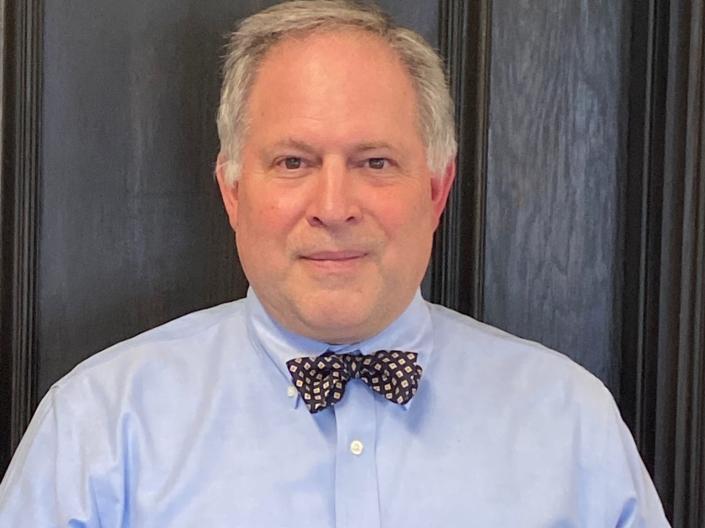
Professor, Department of Sociology, College of Arts and Sciences
Gran's project will develop a smartphone application prototype to counter misinformation about health care and science for Black Americans. It aims to identify, understand, and develop resources to combat misinformation that is likely to exacerbate existing health disparities among Black Americans.
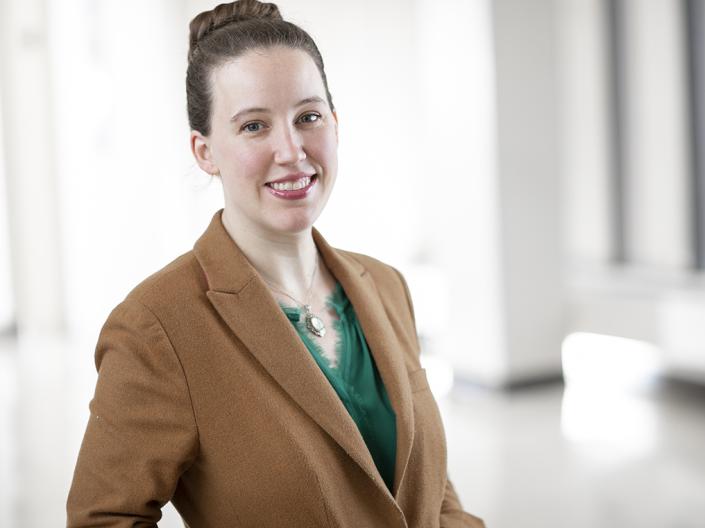
Assistant Professor, Department of Mechanical and Aerospace Engineering, Case School of Engineering
Daltorio will explore translation and commercialization potential of amphibious robots that can traverse difficult natural terrain. She will continue to develop the existing amphibious robot prototypes that are crab-like that can categorize terrain by walking across it and some versions can climb onto and grasp objects.
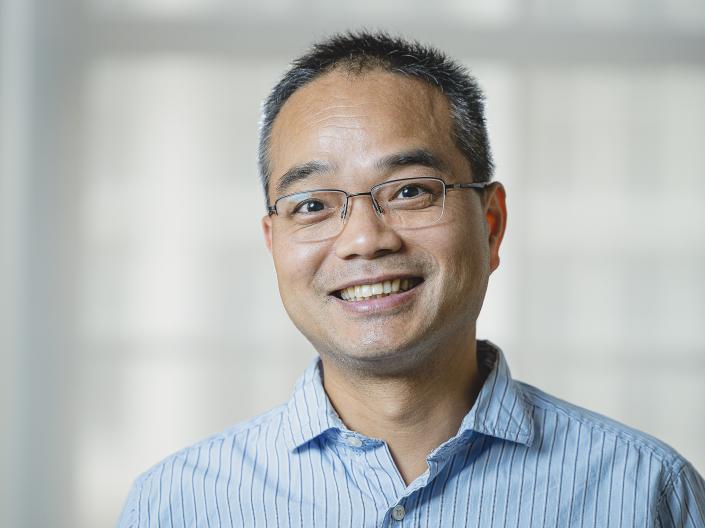
Professor and Chair, Department of Civil Engineering, Case School of Engineering
Yu will advance translation of a thermochromic building envelope that reduces energy consumption and improves sustainability. The thermochromic building envelope reduces the thermal loads to the building by making the building cooler under hot weather and warmer under cold weather. Therefore reduces the building energy needs for HVAC.
For more information contact:
Mindy Baierl, Senior Director
Veale Institute for Entrepreneurship at CWRU
mmb149@case.edu
440.796.9469