

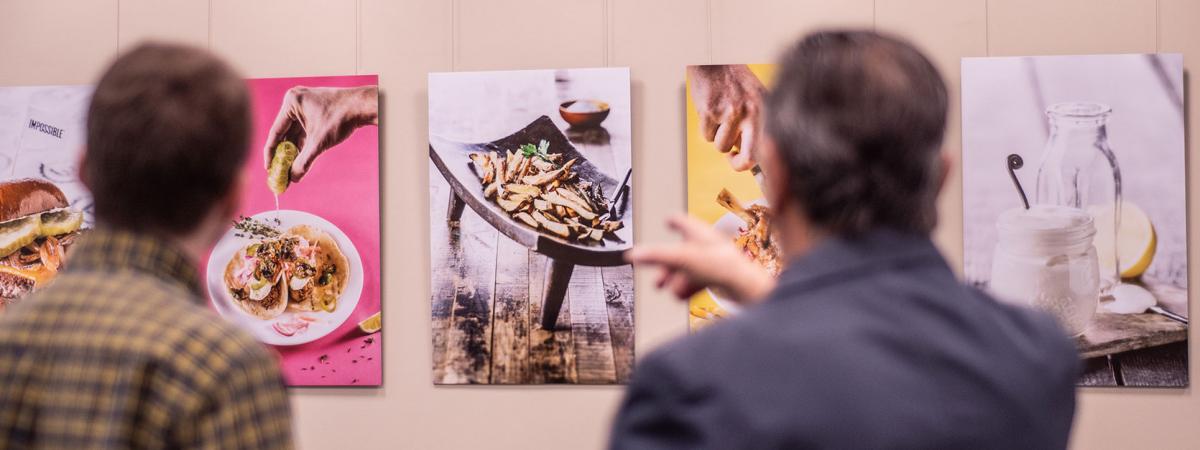
Exhibits at Kelvin Smith Library enhance the library’s programming initiatives featuring the library’s collections, partnered efforts with Case Western Reserve University departments supporting student learning and faculty research, or furthering connections to the surrounding community.
FAQs:
- Members of the campus and community are invited to develop an exhibit and program partnership with the library by contacting: kslexhibits@case.edu
- The library’s exhibits and programs are scheduled with a minimum of six months of planning, some exhibition spaces are scheduled a year or more in advance.
- Submit a request for a partnered exhibit project through the Exhibit Request Form.
Exhibit spaces:
The KSL Art Gallery is an open-plan space featuring modular wall-only display space. Located on the 1st floor of the library, this exhibition space is devoted to exhibits with a campus or community focus. Exhibition frequency is three times a calendar year.
KSL Features is a pop-up exhibit space for books near the library's main entrance. The themes of these book pop-ups coincide with current programming, showcase diversity, and highlight new titles in the collection. Library patrons are encouraged to interact with and check out these titles. Each pop-up is on view for an average of two to three weeks during the academic year.
Located on the 2nd floor of the library, The O’Neill Reading Room consists of wall display space in a space with a lot of student use. Exhibition frequency is two times a calendar year, with preference for exhibits connected to KSL programming or partnerships.
The Henry R. Hatch Reading Room Special Collections exhibit space, located on the 2nd floor of the library, is devoted to exhibiting rare and unique items from KSL Special Collections or items related to these collections, mostly in exhibit cases. These exhibitions and related programming are critical to connecting Special Collections to a broader audience. Exhibit frequency is twice a calendar year in this space.
Exhibits on view now:
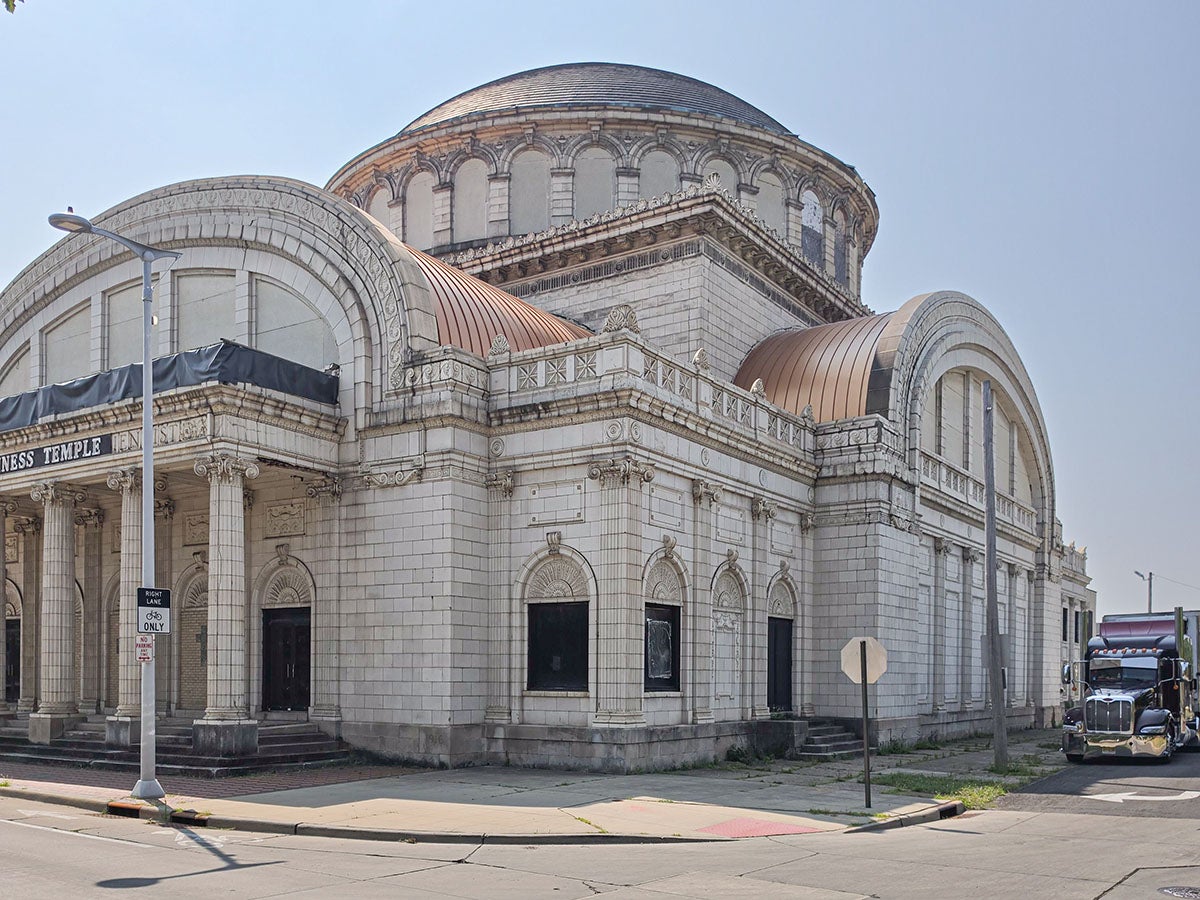
During the summer of 2025, Alexandru Zaharia (CWRU MA, 2025) worked with the Cleveland Restoration Society (CRS), researching historic buildings for nomination to the National Register of Historic Places. Among these projects was the Church of God and True Holiness, a landmark building once used as a theater by the Cleveland Play House. This is documented in Zaharia’s article "A Terracotta Classic in the Heart of Cleveland" published in Facade, the magazine of the CRS.
This work and research utilized Zaharia’s experiences as a civil and structural engineer, an art and architectural historian, and a photographer. An extension of this research effort is this photography exhibit, From Temple to Theater and Back: Classical Details in White Terracotta at Euclid and East 77th, guiding viewers from broad architectural views toward progressively smaller elements of design and craftsmanship.
A new KSL Feature book display coming soon!
Spanning 200 years, Backstory: Libraries of CWRU explores all the iterations of library collections, buildings, and people that supported the intellectual center of any campus, the library. On view in the O’Neill Reading Room and Administrative Services walls on the 2nd floor of Kelvin Smith Library.
Building a Legacy: The Euclid-77th Street Theater and the Buildings of the Cleveland Play House tells the story of the Cleveland Play House through its buildings and locations, from CPH’s origins in an old house in 1915, to E.73rd St., E.86th St., with a special focus on the Euclid-77th St. Theater.
The exhibit also highlights the century-long partnership between CPH and CWRU (then WRU), from the first community plays in Eldred Theater to the establishment of the well-respected joint MFA program.
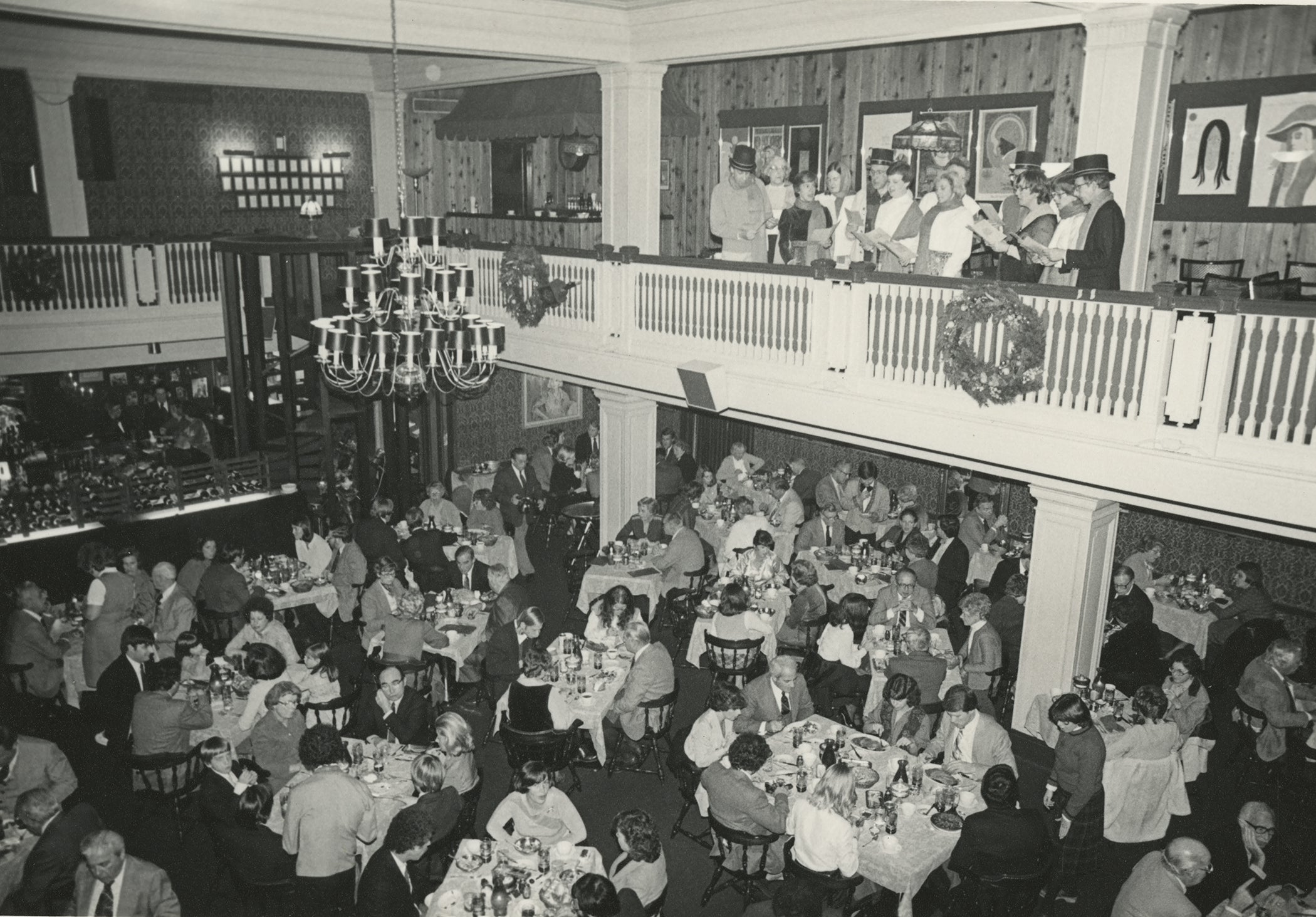
Christmas at the Cleveland Play House Club, 1970s, KSL Special Collections
Also on view is Ancient Antioch to Contemporary Cleveland, an exhibit curated by Art History PhD candidate Arielle Suskin. This exhibit features the Kelvin Smith Library Special Collections Coin Collection, which holds over three hundred coins spanning 600 years of ancient history, and a small group of historic coins from the modern era. They are now available to the world in Digital Case.