

Search results, if found, will automatically update as terms are selected. If no results are displayed, please revise your search terms.
Filter By:
-
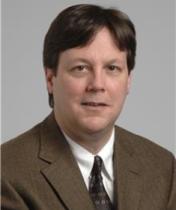
Robert L. Fairchild, PhD
Professor, Department of Molecular Medicine, School of MedicineProfessor, Department of Pathology, School of MedicineMember, Immune Oncology Program, Case Comprehensive Cancer CenterEmail: fairchr@ccf.org
Phone: 216.444.3146
We investigate skin disease, skin and cardiac allograft rejection, and T cell recruitment to inflammation in peripheral tissues.
-
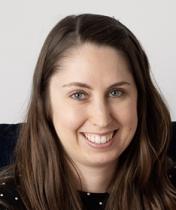
Christina Farr, PhD
Assistant Professor, Department of Pathology, School of MedicineMember, Center for Global Health and Diseases, School of MedicineMember, Population and Cancer Prevention Program, Case Comprehensive Cancer CenterEmail: cxf288@case.edu
We use a systems immunology approach to investigate host immune-microbe interactions that are important for reproductive health and disease. This combines analysis of clinical specimens, model systems and bioinformatics tools to identify potential interactions.
-
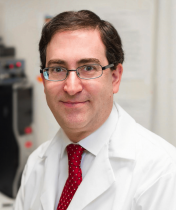
Seth Field, MD, PhD
Professor, Department of Medicine, School of MedicineMember, Developmental Therapeutics Program, Case Comprehensive Cancer CenterEmail: seth.field@case.edu
I research cell biology of cancer, fundamental mechanisms of membrane trafficking, discovery of signal transduction pathways that regulate the secretory pathway, and their role in cancer.
-
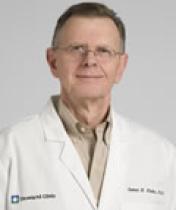
James H. Finke, PhD
Professor, Department of Molecular Medicine, School of MedicineProfessor, Department of Pathology, School of MedicineMember, Molecular Oncology Program, Case Comprehensive Cancer CenterEmail: finkej@ccf.org
Phone: 216.444.5186
My research investigates mechanisms by which tumor microenvironment influence the development of T cell immunity to cancer and T cell suppression mechanisms in renal cell carcinoma (RCC).
-
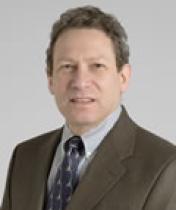
Paul L. Fox, PhD
Professor, Department of Molecular Medicine, School of MedicineMember, Molecular Oncology Program, Case Comprehensive Cancer CenterEmail: foxp@ccf.org
Phone: 216.444.8053
I study the regulation of Endothelial cell motility, the role of Ceruloplasmin in inflammation and Atherosclerosis, and iron homeostasis.
-

Michael Freeman, PhD
Assistant Professor, Division of Infectious Diseases & HIV Medicine, Center for AIDS Research, School of MedicineEmail: mlf62@case.edu
Phone: 216.368.1260
Our lab investigates the mechanisms of immunity and immunopathogenesis during infections, aging, and inflammatory disorders in humans. We use cellular immunology techniques such as flow cytometry of clinical samples and in vitro cultures to better understand how pathogens and chronic inflammation contribute to the activation, expansion, maintenance, and trafficking of T cells and monocytes and how these cells contribute to infection-associated immunopathology and comorbidities in people living with HIV.
-
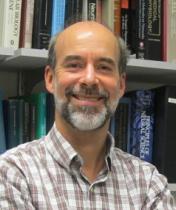
David Friel, PhD
Associate Professor, Department of Neurosciences, School of MedicineEmail: David.Friel@case.edu
Phone: 216.368.4930
I primarily focus on calcium homeostasis, electrophysiology, ion channels, modulation, optical methods for measuring Ca2+, and modeling.
-
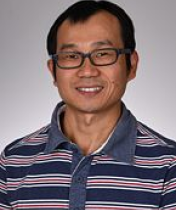
Wenjian Gan, PhD
Associate Professor, Department of Biochemistry, School of MedicineMember, Molecular Oncology Program, Case Comprehensive Cancer CenterEmail: wxg208@case.edu
Phone: 216.368.6122
We are interested in understanding how posttranslational modifications, particularly protein arginine methylation, control diverse cellular processes, and how their dysregulations lead to cancers, and finally to develop small molecule inhibitors targeting these aberrant events for cancer therapy. A range of complementary approaches are used in the lab, including biochemistry, molecular and cellular biology, multi-omics, and mouse models.
-
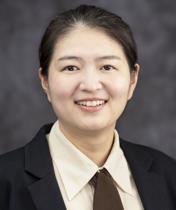
Yuan Gao, PhD
Assistant Professor, Department of Pharmacology, School of MedicineMember, Cancer Genomics and Epigenomics Program, Case Comprehensive Cancer CenterEmail: yxg811@case.edu
Phone: 216.368.6632
The primary research objective in our lab is to uncover novel fundamental mechanisms underlying gene expression in cancers. We employ a range of advanced multi-omics technologies to comprehensively detail the oncogenic mechanisms of transcription factors and identify therapeutic targets for treatment.