

This years Nathan S. Greenfield Family Lecture, titled 'Making cancer visible to the immune system: From discoveries to new medicine' will be held on September 1st, 2026, at 3 PM in Wolstein Auditorium, featuring Dr. Lieping Chen, MD, PhD, from the Yale University School of Medicine.
A Physician-Scientist Who Helped Transform Cancer Immunotherapy...
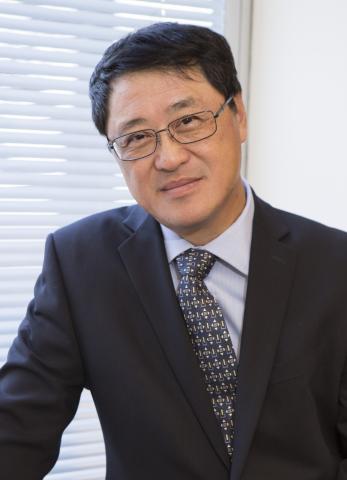
Dr. Lieping Chen is an immunologist and physician-scientist whose work has helped define modern cancer immunotherapy. At Yale University School of Medicine, he is the UTC Chair in Cancer Research and a professor of immunobiology, medicine (medical oncology and hematology), and dermatology. His research focuses on cell-surface and secreted proteins that control T cell activation, tolerance, memory, and survival, with a long-standing goal of translating fundamental immune biology into new treatments for cancer.
If you want to know more about Dr. Chen and his recent lab work, please visit Yale University School of Medicine's wesbite.
From Immune Evasion to a New Therapeutic Strategy
In 1992, Dr. Chen's laboratory published an early proof-of-concept showing that manipulating the B7-CD28 family could enhance anti-tumor immunity. That work helped establish the idea that immune responses to cancer could be changed by targeting the molecular signals that govern T cell activation.
In 1999, his laboratory discovered B7-H1, now known as PD-L1, and went on to establish the PD-1/PD-L1 pathway as a mechanism of T cell tolerance and immune escape in the tumor microenvironment. Dr. Chen later helped initiate first-in-human trials of PD-1/PD-L1 blockade and pioneered PD-L1 tumor staining as a predictive biomarker.
Major Contributions to Cancer Immunotherapy
PD-1/PD-L1: Making Tumors Visible to Immune Attack Dr. Chen's work linked PD-L1 expression in tumors to a local mechanism of immune suppression and helped establish antibody blockade of the PD-1/PD-L1 interaction as a therapeutic strategy. These findings provided a foundation for anti-PD-1 and anti-PD-L1 therapies that subsequently became standards of care across multiple cancers. His laboratory also demonstrated how inflammatory signals and PD-L1 can coexist within tumors, supporting the concept of adaptive immune resistance.
Beyond PD-1/PD-L1: Discovering New Immune Control Pathways Dr. Chen's laboratory has identified more than 20 immune-modulatory receptors and ligands, including 4-1BB, B7-H3, B7-H4, PD-1H/VISTA, FGL1/LAG-3, Siglec-15, CD93/IGFBP7, and CD8a/PILRa. By defining their biology and therapeutic potential, this work has stimulated broad drug-development programs in academia and industry. Several of these targets are now being tested in clinical trials using antibodies, antibody-drug conjugates, bispecific T cell engagers, and cellular therapies.
Education and Training
Dr. Chen earned his MD from Fujian Medical University in 1982, completed residency training in internal medicine, and received an MS in immunology and oncology from Beijing Union Medical College in 1986. He earned his PhD in pathology from Drexel University in 1989 and completed postdoctoral training in immunology at the University of Washington School of Medicine.
Awards and Honors
Dr. Chen has received major honors recognizing his discoveries in tumor immunology and their impact on cancer medicine. Highlights include:
2025 - Elected Member, National Academy of Medicine.
2021 - Elected Member, National Academy of Sciences.
2017 - Warren Alpert Foundation Prize for pioneering contributions to cancer immunology.
2014 - William B. Coley Award from the Cancer Research Institute.
From Discoveries to New Medicine
Dr. Chen's career bridges basic immunology, drug discovery, clinical translation, and biotechnology. His research program has authored or co-authored more than 400 peer-reviewed publications and he is an inventor on more than 50 granted U.S. patents. He has also trained generations of graduate students, postdoctoral fellows, clinical fellows, and junior faculty.
His work illustrates the path at the heart of this lecture: identify how cancer evades immune recognition, define the responsible molecular pathways, and convert those discoveries into medicines that allow the immune system to attack tumors more effectively.
A reception will follow the lecture outside the auditorium.