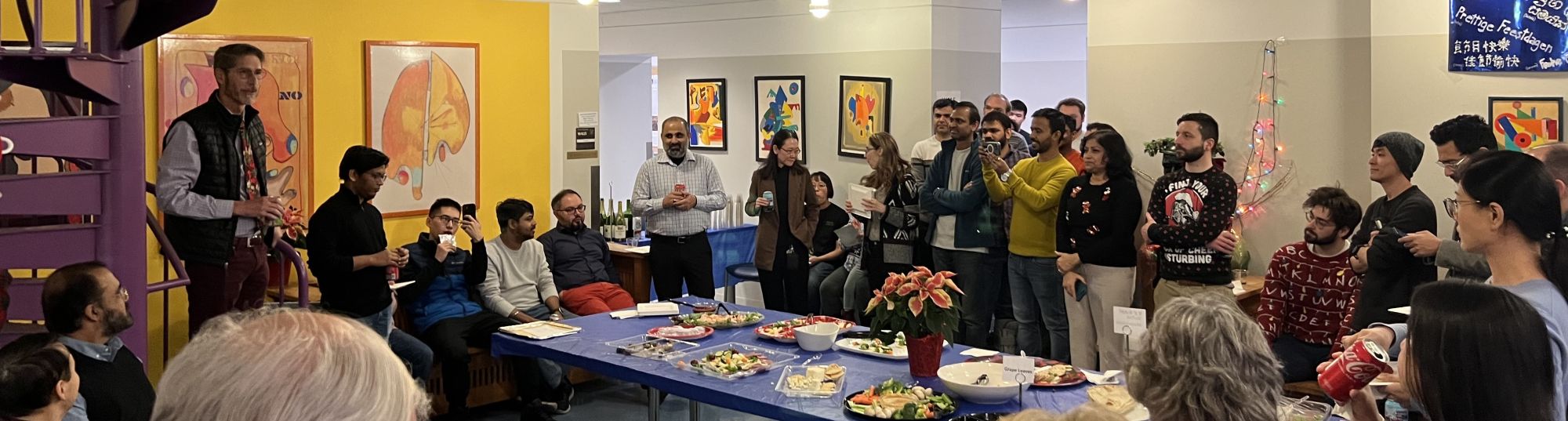
Whether you are a junior faculty member launching a new lab or establishing a teaching portfolio, a postdoc elevating your research trajectory, or a student pursuing graduate training, the Biochemistry Department provides a vibrant, highly collaborative home to achieve your goals.
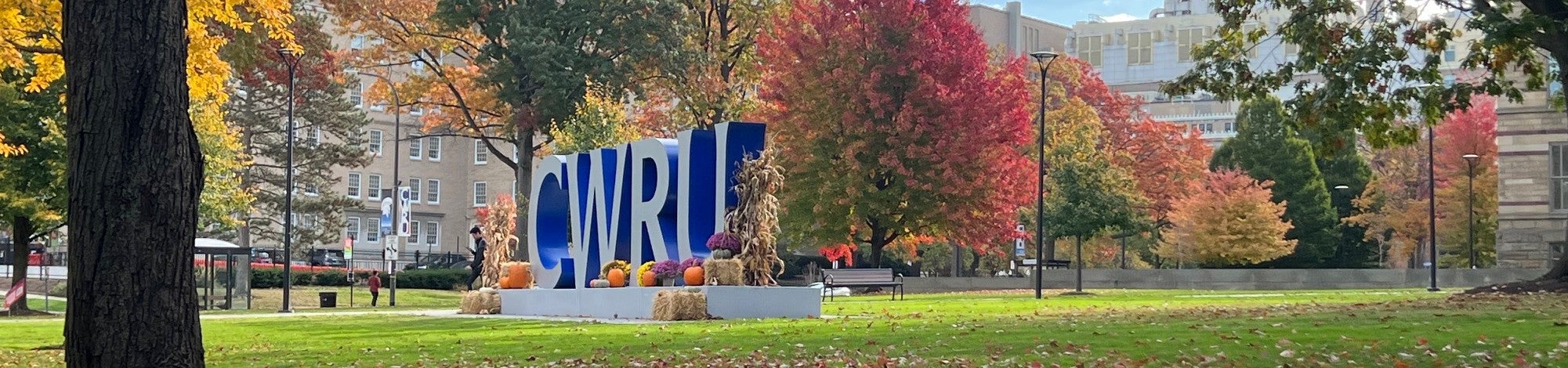
1. A Broad Spectrum of Motivated Trainee Talent
Our department provides multiple avenues for recruiting motivated trainees at every level, backed by a collaborative network of active scholars:
- Ph.D. Trainees: Graduate students enter through the School of Medicine’s (SOM) umbrella biomedical program—the Biomedical Sciences Training Program (BSTP)—which admits 20–40 Ph.D. candidates annually. Early each Fall, faculty pitch their ongoing projects to engage rotating students.
- M.D./Ph.D. Scholars: Interact with and recruit top-tier physician-scientist trainees from the Medical Scientist Training Program (MSTP) as they seek research labs for their doctoral work.
- Master’s Degree Programs: We host two specialized M.Sc. programs (Biochemistry and Biotechnology) accepting ~10 students annually for a 2-year curriculum. These students actively seek labs to conduct independent research, with the possibility of transitioning directly into the Ph.D. program after year one.
- Undergraduate Researchers: As one of the few basic science departments in the SOM with an undergraduate major, we are home to ~ 500 Biochemistry students. Eager for hands-on research experience (for credit, volunteer, or funded summer fellowships), our undergraduates make meaningful research contributions, frequently earning co-authorship on peer-reviewed papers.
- Medical Student Researchers: For labs interested in clinical links, CWRU medical students seeking mentored Research Projects offer opportunities to host medical trainees for dedicated research blocks.
2. World-Class Research Centers & Core Facilities
Housed within a top-tier, research-intensive SOM, our investigators combine fundamental basic science, often with translational applications:
- Interdisciplinary Centers: Science here operates without traditional departmental silos. Drive your work forward through rich horizontal and vertical collaborations across on-campus hubs—including the Center For RNA Science and Therapeutics, the Case Comprehensive Cancer Center, and numerous specialized research institutes. (Explore all CWRU Centers and Institutes and SOM Departments.)
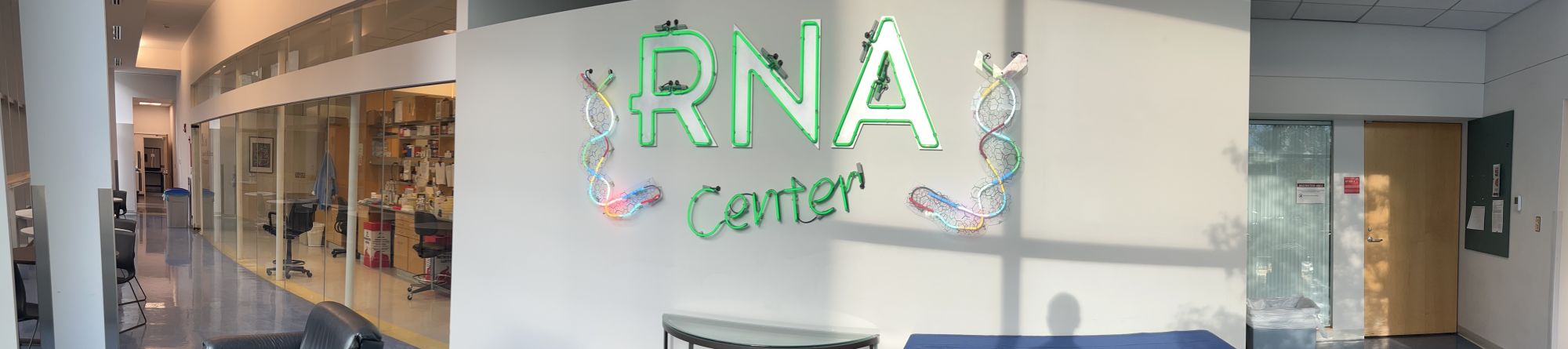
- Cutting-Edge Core Facilities: Access shared institutional cores outfitted with high-throughput sequencing, advanced optical microscopy, flow cytometry, state-of-the-art animal facilities, and structural biology suites (cryo-EM, NMR, X-ray crystallography).
3. Deep Clinical Integration & Translational Opportunities
Our location in Cleveland’s world-renowned healthcare corridor connects basic scientists directly to clinical partners, patient samples, and disease models. CWRU SOM maintains formal research affiliations with four major health systems, where many clinical researchers and institute scientists hold secondary or adjunct faculty appointments:
- Cleveland Clinic (ranked 3rd in the world; includes the Lerner Research Institute)
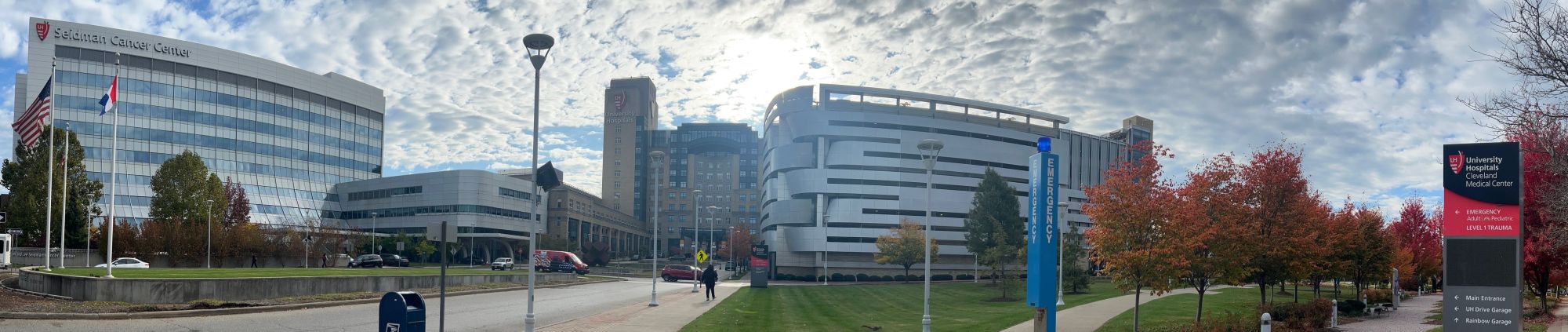
- University Hospitals (UH Cleveland Medical Center)
- Louis Stokes Cleveland VA Medical Center
- MetroHealth System
4. Biotech/startup environment
CWRU maintains an active Technology Transfer Office dedicated to translating scientific discoveries into commercial applications. CWRU (ranked 27th Nationally for Utility Patents) and its partner institutions have successfully launched a growing ecosystem of biotech companies, including Convelo Therapeutics, Abeona Therapeutics, NeuroTherapia, Cleveland Diagnostics, Diasome Pharmaceuticals, and Zehna Therapeutics.
5. Life in Cleveland: Big City Culture, Small City Ease
A productive research environment requires a high quality of life outside the lab. Cleveland offers a rare blend of world-class cultural amenities and stress-free daily living:
- Culture & Entertainment: Home to three major professional sports teams (Cavs, Guardians, Browns)—whose stadiums double as hosts for major concert tours—, the world-renowned Cleveland Orchestra (ranked world's 7th best orchestra), Playhouse Square (the largest performing arts center outside NYC), the Cleveland Museum of Art (ranked 2nd best museum in the U.S.), the Natural History Museum, Holden Arboretum and the Cleveland Botanical Garden, the Rock & Roll Hall of Fame, the Cleveland Metroparks Zoo, and the Greater Cleveland Aquarium.

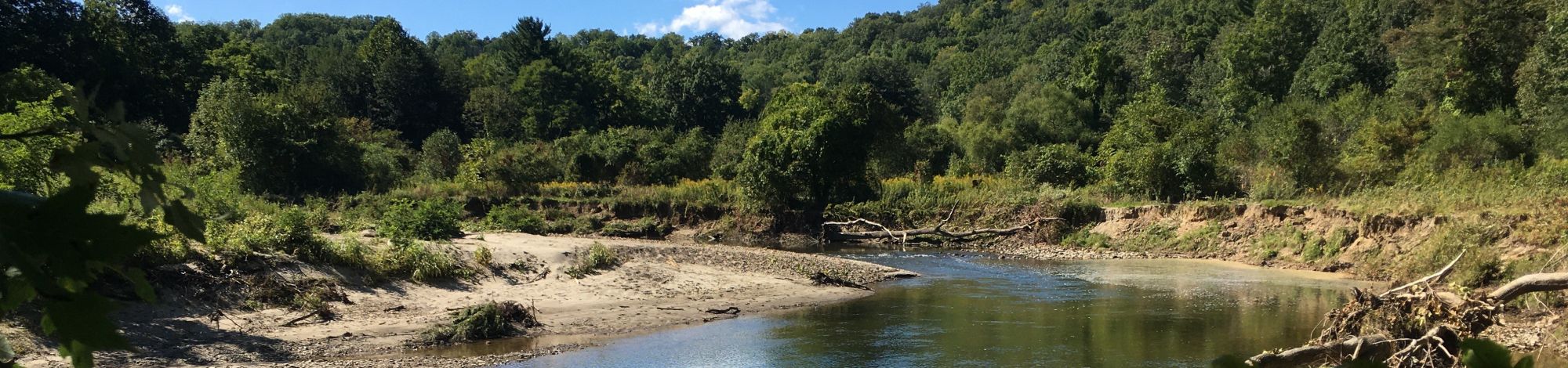
- Parks & Outdoor Recreation: Right in our backyard, enjoy the famous Cleveland Metroparks (the "Emerald Necklace"), Cuyahoga Valley National Park, Lake Erie, and local ski resorts—offering thousands of acres for hiking, biking, boating, and winter sports.
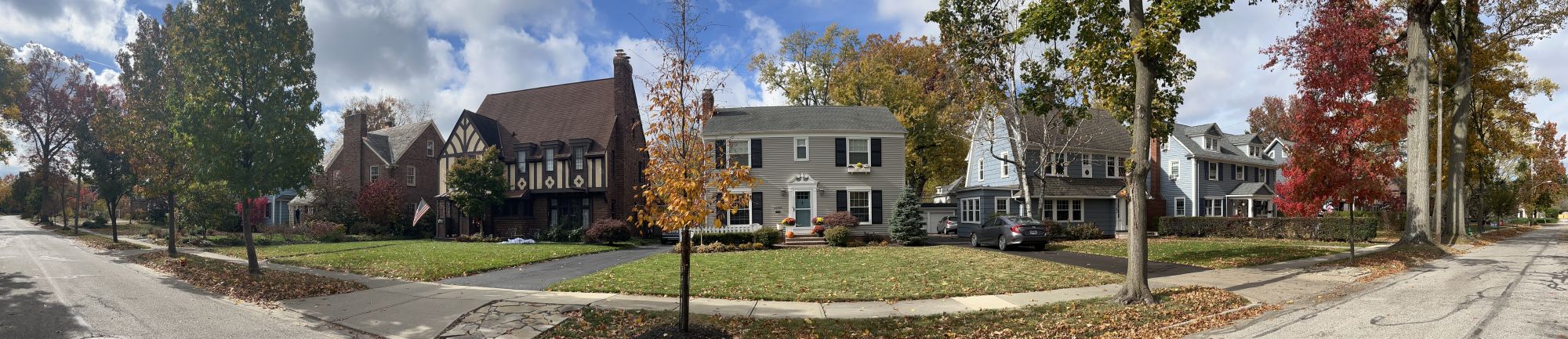
- Short Commutes & Low Traffic: Most faculty and trainees enjoy quick 10-to-20-minute commutes, with many living in charming adjacent neighborhoods (like Cleveland Heights, Shaker Heights, or University Circle).
- Exceptional Affordability: Unlike high-cost coastal biomedical hubs, Cleveland consistently ranks among the top major US cities for housing affordability, making homeownership realistic for early-career faculty and comfortable living accessible for trainees. Compare your cost of living with your current city.
- Environmental Stability: Cleveland ranks among the 10 safest U.S. cities for climate disaster risk while sitting directly along one of the world's largest freshwater resources, Lake Erie.
- Great Dining Scene: Explore world-class dining across historic neighborhoods like Little Italy, AsiaTown, Ohio City (and its West Side Market), Tremont, Shaker Heights' Van Aken Market Hall, or downtown's lively East 4th Street. You can also discover local favorites on Cleveland Magazine’s list of the 50 Best Restaurants.
6. A Supportive, Inclusive Community
We are committed to helping every member of our department succeed. Our Engagement Committee sponsors regular social gatherings, departmental newsletters, and the department has structured mentorship and development initiatives tailored for faculty, postdocs, and graduate students. Case also has community groups which includes the Faculty Parents' Group, the Asian Faculty Association, and the Women Faculty of SOM.