

Search results, if found, will automatically update as terms are selected. If no results are displayed, please revise your search terms.
Filter By:
-
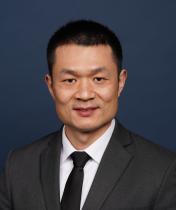
Rui Wang, PhD
Assistant Professor, Department of Surgery, School of MedicineMember, Molecular Oncology Program, Case Comprehensive Cancer CenterEmail: Rui.Wang17@case.edu
Phone: 216.368.5667
We interrogate crosstalks between cancer cells and the microenvironment in metastatic colorectal and pancreatic cancers. For example, the surrounding liver mcrienvironment secretes soluble factors to activate HER3 and other survival pathways in cancer liver metastases. By identifying key survival pathways (such as HER3) ivolved in the crosstalk, we aim to develop therapeutic strategies of disrupting the crosstalk (e.g. block secreted factors, or block HER3 in cancer cells) to inhibit metastatic tumor outgrowth and, and also sensitize cancer cells to standard-of-care treatments for combination therapies.
-

Zhenghe J Wang, PhD
Chair and Professor, Department of Genetics and Genome Sciences, School of MedicineDale H. Cowan M.D. – Ruth Goodman Blum Professor of Cancer ResearchCo-Leader, Cancer Genomics and Epigenomics Program, Case Comprehensive Cancer CenterEmail: zxw22@case.edu
Phone: 216.368.0446
My research program focuses on developing new treatments for colorectal cancer and translating bench discoveries into clinical trials. A particular focus of my research is to understand how oncogenic PIK3CA mutations drive tumorigenesis and design new therapeutic approaches for PIK3CA mutant cancers.
-
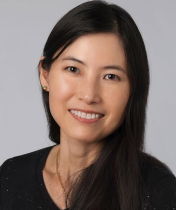
Li Lily Wang, PhD
Professor, Department of Molecular Medicine, School of MedicineMember, Immune Oncology Program, Case Comprehensive Cancer CenterEmail: wangl9@ccf.org
Phone: 216.973.5628
The Wang laboratory is engaging in cross-disciplinary studies by collaborating with basic and clinical researchers from LRI /CCF and Case Western Reserve University. Immune-checkpoint blockade therapies have revolutionized the field of Cancer Immunotherapy. The Wang laboratory is among the first groups to demonstrate that the immune-checkpoint protein “V domain Immunoglobulin Suppressor of T cell Activation” (VISTA) is a promising target for cancer Immunotherapy. Current projects are multi-disciplinary and involve elucidating the epigenetic and metabolic regulations by novel inhibitory receptors on tumor-associated cytotoxic T cells and tumor-associated macrophages or myeloid derived suppressor cells. We are also investigating the mechanisms of resistance following chimeric antigen receptor (CAR) T cell-based therapies in lymphoma patients.
-
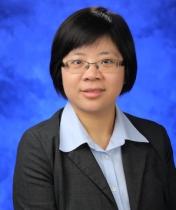
Ming Wang, PhD
Professor, Department of Population and Quantitative Health Sciences, School of MedicineDirector, Masters Program in Biostatistics, Department of Population and Quantitative Health Sciences, School of MedicineMember, Population and Cancer Prevention Program, Case Comprehensive Cancer CenterEmail: mxw827@case.edu
We are interested in statistical method development in data integration and causal inference and collaborative work in biomedical and human health research. We develop computational methods for analyzing and identifying biomarkers from high-dimensional genomic/genetic/imaging data. Also, we work on electronic health record data and other big data in cancer, cardiovascular, kidney and neurodegenerative diseases for decision making and value-based care research.
-

Scott Williams, PhD
Professor, Department of Population and Quantitative Health Sciences, School of MedicineProfessor, Department of Genetics and Genome Sciences, School of MedicineFaculty, Cleveland Institute for Computational BiologyEmail: smw154@case.edu
Phone: 216.368.5659
I investigate the distribution of genetic variation and the role that this variation plays in phenotypic differences among populations, including the role of host pathogen co-evolution in infectious disease risk.
-

Mark Willis, PhD
Professor and Chair, Department of Biology, College of Arts and SciencesEmail: mark.willis@case.edu
Phone: 216.368.3557
I research the neural basis of adaptive behavior, odor-guided navigation and flight in insects.
-
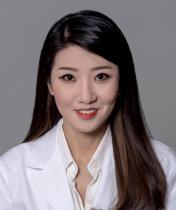
JungA ‘Alexa’ Woo, PhD
Associate Professor, Department of Pathology, School of MedicineEmail: Jaw330@case.edu
Phone: 216.368.0052
Our lab focuses on understanding how beta-arrestins, proteins known to regulate various GPCRs signaling (~40% of FDA-approved drugs target GPCRs), contribute to neurodegeneration in Alzheimer’s disease (AD) and related dementias (ADRD).
-

Jianjun Wu, PhD
Assistant Staff, Lerner Research Institute, Cleveland ClinicMember, Immune Oncology Program, Case Comprehensive Cancer CenterEmail: WUJ9@ccf.org
We are interested in understanding the fundamental mechanism of innate immunity and its impact on adaptive immunity, inflammation and cancer. We are currently employing multifaceted approaches and mouse disease models to uncover the novel immunostimulatory or immunosuppressive mechanisms of cGAS-STING pathway in antitumor immunity and autoimmunity. The knowledge gained from these studies will be applied to guide the development of new immunotherapies for cancer and inflammatory diseases.
-
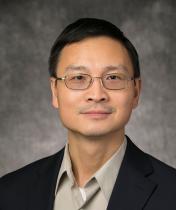
Tsan Sam Xiao, PhD
Professor, Department of Pathology, School of MedicineMember, Developmental Therapeutics Program, Case Comprehensive Cancer CenterMember, Center for AIDS Research, School of MedicineMember, Cleveland Center for Membrane and Structural BiologyEmail: tsan.xiao@case.edu
Phone: 216.368.3330
My research focuses on structural and function of gasdermin family members in pyroptosis and inflammatory cytokine secretion, Molecular mechanisms of inflammasome activation during viral infection such as SARS-CoV-2, and Activation and substrate recognition by inflammatory caspases in health and disease.
-

Liangqi Xie, PhD
Assistant Staff, Microbial Sciences in Health, Cleveland Clinic Research, Cleveland ClinicMember, Cancer Imaging Program, Case Comprehensive Cancer CenterEmail: xiel2@ccf.org
We are interested in using high-resolution microscopy and high-throughput genomics to understand genome regulation in human development and diseases.