

Your Gift Makes the Next Connection Possible
Cancer research moves forward through connections: a question to a discovery. A researcher to the resources needed to pursue it. A patient’s tumor to a potential personalized treatment. A promising student toward a career in cancer.
At Case Comprehensive Cancer Center (Case CCC), federal funding provides an essential foundation for the research, training, outreach, and scientific resources expected of an NCI-designated comprehensive cancer center.
Philanthropy helps us build on that foundation—making connections that might otherwise take longer to happen, happen on a smaller scale, or not happen at all.
Connecting a Patient’s Cancer to a More Personalized Treatment
Private funding is building a biorepository that will preserve and study patients’ tumor tissue, with their consent, beginning while they are in surgery. Led by a Case CCC researcher advancing new approaches to individualized medicine, the resource could help scientists better understand the characteristics of each patient’s cancer and identify treatments tailored to it.
It is a powerful connection between patient, tissue, researcher and treatment—and an example of what becomes possible when researchers have the resources to pursue new approaches to cancer.
Philanthropy makes this connection in many ways. Some donors invest in the infrastructure that makes new research possible. Others invest directly in the scientists doing the work—giving talented researchers additional resources to pursue discoveries that could change how cancer is understood and treated.
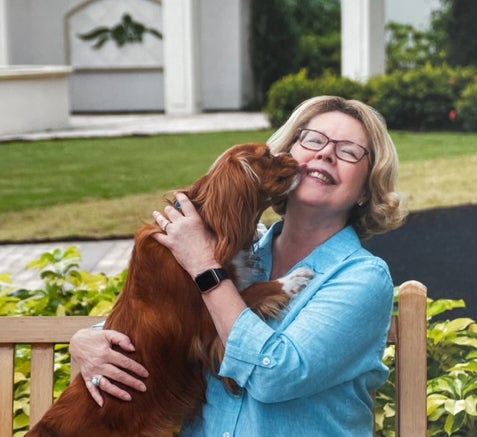
Linda Leatherbury Cheloliber and her late husband, Victor Cheloliber, chose to invest in a Case CCC researcher and the possibilities that come from putting resources behind scientific talent, continuing a relationship that began more than 15 years ago—connecting generosity with researchers, research with possibility, and one family’s legacy with the future of cancer care.
Connecting a Changing Cancer Landscape to New Research
More young adults are being diagnosed with cancers once associated primarily with older age. Because cancer in younger people historically has been less common, there is much we still need to understand.
Why are some cancers appearing earlier? Are these cancers biologically different? What might this mean for prevention, detection and treatment?
Philanthropic support can help connect emerging questions with the researchers and resources needed to answer them—giving scientists greater ability to respond as the cancer landscape changes.
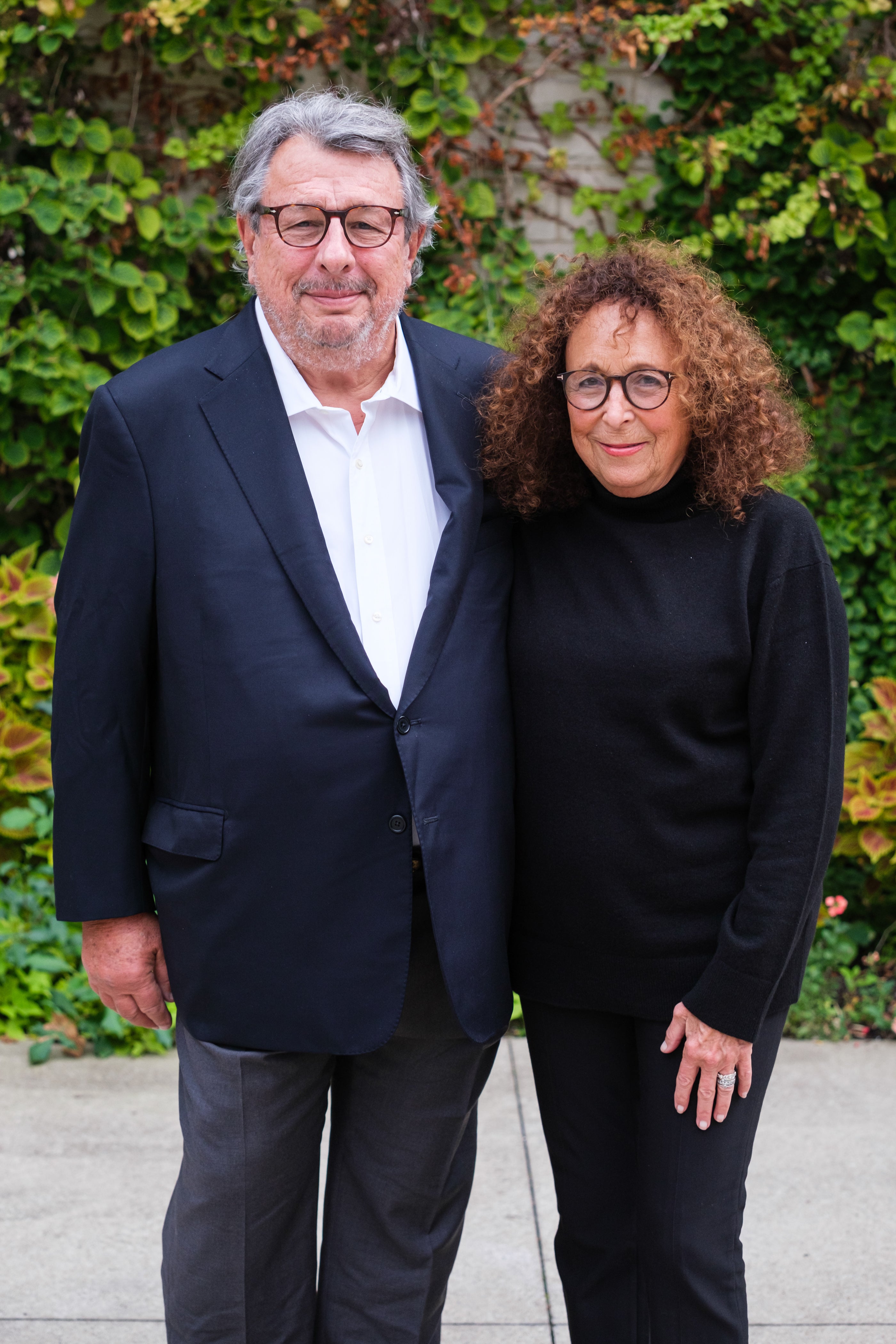
Jed Taxel was 36 when he died from a rare cancer, just six months after his diagnosis. During his illness, he asked his family a question: “What will be my legacy?”
His parents, Mark and Linda Taxel, answered by creating the Jed Ian Taxel Foundation for Rare Cancer Research (JEDi)—and turning their loss into a commitment to connect the people and resources needed to make progress against rare cancers.
What began as one family’s determination to create a legacy is now connecting researchers across the country to improve the future for people with rare cancers.
Your support helps connect promising ideas with the people and resources needed to move them forward.
Connecting Future Clinicians to Opportunity
The next cancer breakthrough requires a next generation of people committed to finding it.
But lack of exposure, years of education, and specialized training can put careers in cancer research and medicine beyond the financial reach of talented students.
Opportunities for exposure to cancer science and, subsequently, scholarships, can connect promising students with opportunities to learn, train and ultimately devote their careers to cancer.
That connection can have an impact for decades—through every discovery they make, every person they mentor, and every patient they serve.
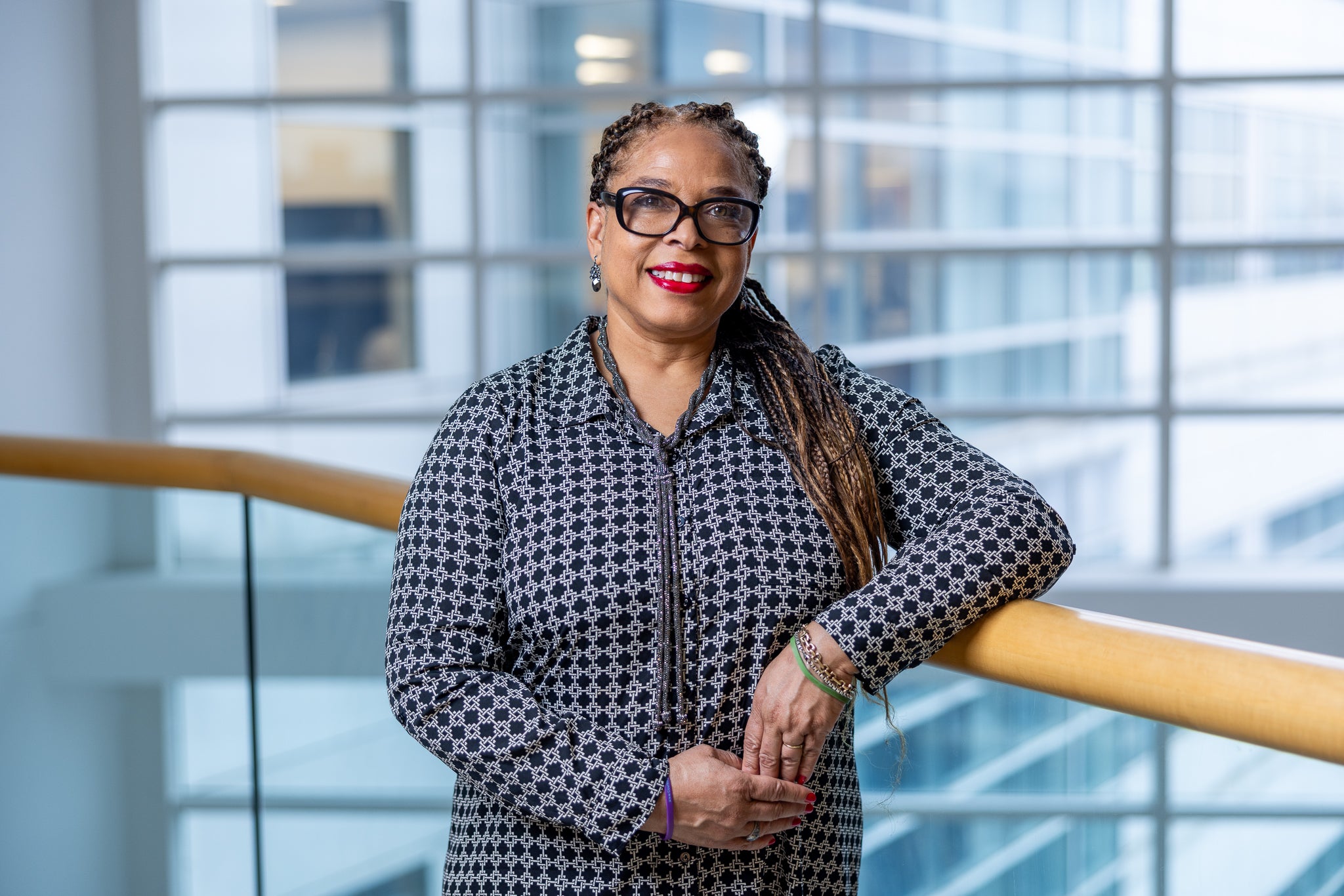
After losing her 10-year-old daughter, Courtney, to cancer, Alisha Jones turned a promise to her daughter into a commitment to connect future cancer researchers with the opportunities to make a difference.
What Connection Could Your Gift Make?
A donor can connect a scientist with an opportunity.
A student with a future.
A new question with the resources to answer it.
A discovery with the possibility of better care.
And sometimes, one connection is all it takes to change what happens next.