

The CTSC T32 Mentored Research Training Program
The T32 grant provides full-time research training support for predoctoral learners pursuing mentored clinical and translational research or clinical and translational science who are enrolled in any CWRU PhD degree program.
Examples of potential projects include research focused on advancing therapeutics, developing new clinical interventions, proof of concept studies, investigating/fostering behavior modifications to improve health, health outcomes research, etc.
Length of Appointment
One (1) year, second year contingent upon good progress in the first year of support.
Support
Will include support for an NIH-approved stipend, tuition and fees, funds to support research (up to $4,750), and travel to a scientific conference (up to $1,500). The Mentor's primary department agrees to cover expenses above NIH-approved limits with non-federal funds to bring support to levels expected by institutional norms.
Eligible Research Areas
Any proposed clinical or translational research project is eligible.
Eligibility
- At time of appointment, trainees must be enrolled in a CWRU PhD program with a research focus in clinical and translational research
- US citizenship, noncitizen national, or permanent resident status.
- Mentors must be approved for T32 predoctoral training. Expectations include having a rigorous research program with well-established external funding to enable mentorship of trainees to achieve productive research careers. If not already an approved, the mentor must submit their CV for approval as part of the application process to be a T32 predoctoral mentor.
- Participation will be expected in a set of program activities, tailored to individual needs, to enhance clinical/translational research training:
- Specific graduate course requirements
- Workshops in systems science, informatics, community engagement
- Professional development seminars in team science, clinical research team leadership, innovation and entrepreneurship, and scientific communication.
- Seminars/presentations providing greater appreciation for diversity and equity in science.
- We seek a set of trainees with varied scientific interests and backgrounds.
- The program trainees are expected to provide progress report information while enrolled at CWRU and should remain in contact in the 5 years following training to provide career outcomes data expected by the NIH.
Additional Requirements
- Proposed primary mentor must, if applicant is selected, participate in an initial 1-hr training session on enhancing mentoring skills and use of a mentor/mentee agreement or compact. Mentor also commits to annually attending a unit of the mentor training program run by the CWRU SOM Office of Graduate Education or by an NIH mentor-training programs.
- Both primary mentor and trainee must agree to participate in annual evaluation (e.g., complete questionnaires, brief interview).
Application Materials
The application must be submitted by the Mentor and should include:
- If not already an approved CTS T32 Predoctoral Mentor, mentor must attach CV for review by the T32 Steering Committee.
- Letter of nomination of the trainee including an assessment of qualifications and trajectory of the trainee for a career in clinical/translational research
- Additional letter of recommendation for the trainee
- Trainee’s CV
- One-page summary of aims of Trainee’s research
- CWRU Transcripts
Application window is currently closed.
Training period: July 1, 2026 through June 30, 2027
T32 Leadership

| Erika Trapl, PhD, FAAHB, CPAHAProfessor, Dept. of Population & Quantitative Health Sciences Director, Prevention Research Center for Healthy Neighborhoods Associate Director of Community Outreach and Engagement, Case Comprehensive Cancer Center |
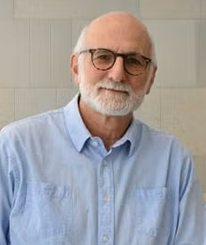
| Scott Williams, PhDDepartment of Population and Quantitative Health Sciences Case Western Reserve University |