

1)Implementation of an At-Home Collection Tool for Use in Inborn Errors of Acylcarnitine Metabolism (IEAM) and Application of a Machine Learning Disease Prediction Model
Lay Summary: Inborn errors of metabolism involving small molecules can cause severe developmental delays or death due to unrecognized chemical imbalances, which are sometimes worsened by dietary restrictions. Although frequent compound monitoring is recommended, patients and clinics face major barriers due to high testing costs and a lack of appropriate laboratory technology. To overcome these limitations, a new low-cost methodology has been developed to analyze over 30 acylcarnitines and ammonia using a novel filter paper pretreatment. This technique will enable longitudinal patient monitoring and biomarker research, ultimately improving patient care by making metabolic testing faster, cheaper, and more accessible.

Kirkland Wilson, MD
CWRU

Rachel Vancoillie, DO
University Hospitals
2)Target Trial Emulation of Simultaneous Vaccine Effectiveness of Multiple Adult Seasonal Vaccines Utilizing National and Regional Electronic Health Records
Lay Summary: Annual vaccines for influenza, COVID-19, and RSV are recommended for older adults to prevent severe illness and reduce community spread. Currently, researchers measure vaccine success by tracking specific infections among those vaccinated and unvaccinated. While vaccines may not prevent every mild infection, their primary goal is to prevent hospitalization and death. This study aims to use anonymous health records to evaluate how effectively these shots protect your overall respiratory health.
Pauline Terebuh, MD, MPH
CWRU

Adam Perzynski, PhD
MetroHealth
3)Respiratory and Sleep Physiologic Analysis in the ICU (RESPITE-ICU): Leveraging ECG and Oximetry for Novel Sleep-Disordered Breathing Detection
Lay Summary: Obstructive sleep apnea (OSA) is a common and treatable condition, but it often goes undetected in hospitalized patients because standard sleep studies are expensive and difficult to perform in the intensive care unit (ICU). To address this challenge, a new pilot study will test whether routine, continuously monitored ICU heart (ECG) and oxygen (SpO₂) signals can accurately screen patients for moderate-to-severe OSA. Researchers will enroll up to 50 patients to compare these monitor-based algorithm outputs against bedside sleep tests, while also developing measures to handle noisy clinical data caused by movement or sensor issues. By establishing early accuracy and feasibility, this low-cost project aims to pave the way for larger studies and automated clinical workflows that connect more ICU patients to vital follow-up care.

Zachary Strumpf, MD
University Hospitals
Farhad Kaffashi, PhD
CWRU

Kenneth Loparo, PhD
CWRU

Kingman Strohl, MD
CWRU
Frank Jacono, MD
CWRU
4)Fenofibrate Exposure and HPV-Related Cancers in People Living with HIV: Discovery, Validation, and Translational Insight
Lay Summary: Antiretroviral therapy has significantly extended the life expectancy of people living with HIV, but this population still faces a disproportionately high risk of developing human papillomavirus (HPV)-associated cancers. Because laboratory studies suggest that fenofibrate—a common, low-cost lipid-lowering medication—may influence biological pathways linked to inflammation and cancer development, researchers are investigating whether its use is associated with lower cancer rates. Rather than running a costly clinical trial, this study will analyze large, real-world medical datasets to compare cancer outcomes between patients who were prescribed fenofibrate and those who were not. If a protective association is found, these results could quickly guide future clinical research and help establish accessible new cancer prevention strategies for people living with HIV.

Aaron Fletcher, RDN, LD
University Hospitals

Grace McComsey, MD
CWRU

Quintin Pan, PhD
CWRU

Wendi O’Neill, DDS, MS
CWRU
6)VIBE: Ventilator Insights for Better Evaluation of Pediatric Respiratory Failure
Lay Summary: Over 75,000 US children receive mechanical ventilation in an ICU each year and respiratory failure is the most expensive diagnosis in pediatric care. Despite this, there have been very few clinical trials to guide clinicians, so they rely on observational research that of assesses ventilator parameters several times a day; however, a child will take over 25,000 breaths that day that are currently ignored. Modern clinical informatics systems enable the capture and analysis of these unexplored breaths. VIBE: Ventilator Insights for Better Evaluation of Pediatric Respiratory Failure acquires breath-by-breath measurements in children with respiratory failure and uses these breaths to identify factors associated with prolonged mechanical ventilation.

Joseph Kohne, MD MSC
University Hospitals

Juliann DiFiore
CWRU
7) Towards understanding the clinical and systemwide benefits of Substance Use Navigator Specialists (SUNS) at University Hospitals and MetroHealth Emergency Departments (EDs)
Lay Summary: University Hospitals and MetroHealth are conducting a regional assessment of our emergency department’s (EDs) Substance Use Navigator Specialist (SUNS) programs. This is the first regional assessment of patients with substance use disorder (SUD) who engage with SUNS. We will evaluate clinical health outcomes (e.g. entry into treatment) and systemwide benefits (e.g. repeat hospital visits) in employing highly trained professionals with expertise in SUD care. This project will demonstrate the importance of regional collaboration to address the needs of our resource-limited population.
Kiran Faryar, MD, MPH
University Hospital
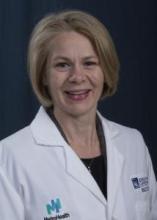
Joan Papp, MD
MetroHealth

Joseph Piktel, MD
MetroHealth
8) Bridging the Gap: Integrating Community Health Workers to Transform Epilepsy Care
Lay Summary: Epilepsy affects over 50 million people worldwide and more than 3 million adults in the U.S., often leading to financial strain, health challenges, and reduced quality of life. Many face challenges in accessing care due to income, education, or where they live. This project will test a program using a trained Community Health Worker, supported by technology, to help patients manage epilepsy, address social needs like housing or transportation, and connect them with resources to improve health and daily life.

Anny Reyes, PhD
Cleveland Clinic

Ebru Erbayat, MD
MetroHealth